


 معاينة الحجم الواقعي

 مشاركة
 مشاركة
 التفاصيل
 دليل


 تحميل الملف
 قطع مشابهة
 الأشعة السينية
 عرض شرائح
 الأسئلة والأجوبة
 الإحصائيات
Rustic Basin

- 53.0 x 40.0 cm

 عرض المزيد
طباعة جيلي / مطبوعات فنية
طباعة جيكلي أو كانفاس بجودة المتاحف، مع سرعة في التنفيذ وخيارات متنوعة للتشطيب. ( شراء لوحة مرسومة يدويًا الانتقال إلى الصورة الرقمية)
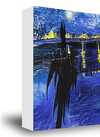
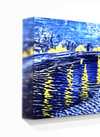
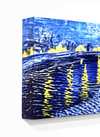
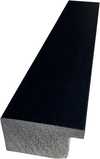
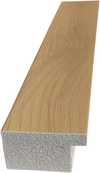
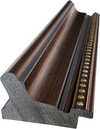
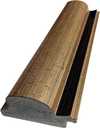
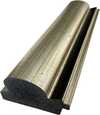
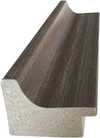
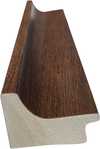
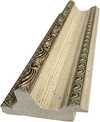
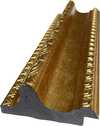
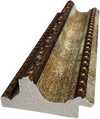
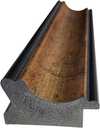
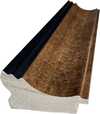
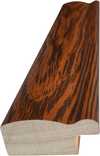
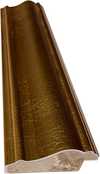

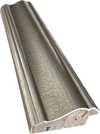
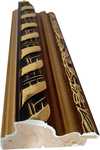
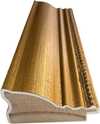
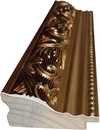
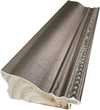
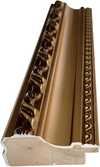
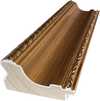
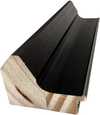
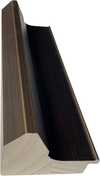
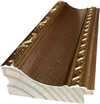
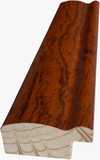
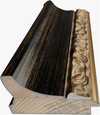
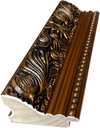
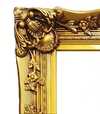
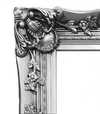
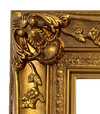
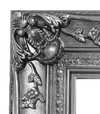
اختر من بين أحجامنا المُعدّة مسبقاً والتي تتوافق مع النسب الأصلية للعمل الفني.

أدخل العرض والارتفاع المطلوبين ليتناسب المقاس مع إطارك أو جدارك. يرجى الملاحظة أن المطبوعة يمكن قصها فقط ولا يمكن تكبيرها لتتجاوز أبعاد الصورة الأصلية، لذا فإن اختيار مقاس بأبعاد مختلفة سيؤدي إلى فقدان جزء من الصورة. سنرسل لك نموذجاً رقمياً تجريبياً لاعتماده قبل البدء في عملية الطباعة. الصورة المعروضة في هذه الصفحة لا توضح شكل القص الفعلي — النموذج التجريبي فقط هو ما يظهر ذلك بدقة.
توصيل عالمي إلى خلال أسبوعين بدلاً من المدة القياسية البالغة 4/5 أسابيع. (16 نوفمبر)

شحن سريع ومجاني لجميع أنحاء العالم

قماش كتان عالي الجودة

تأمين شامل على الشحن

ضمان استرداد الرسوم الجمركية

ضمان مطابقة الألوان الحقيقية

سياسة الإرجاع خلال 100 يوم (في حالات العيوب فقط)

ضمان استرداد نقدي بنسبة 100%

خصم عند طلب كميات
 خيار الزجاج متاح فقط للمقاسات التي تقل عن 110 سم

Rustic Basin
طباعة جيلي / مطبوعات فنية
مقاس النسخة المطبوعة
-


إجمالي السعر النهائي
E£ 3479
الأسئلة والأجوبة
هل يمكنني فحص "Rustic Basin" بمزيد من التفصيل؟
تُقدم صفحة الأشعة السينية الخاصة بالعمل الفني رؤية الأشعة السينية لـ "Rustic Basin" للفنان Bernard Palissy: وهي بمثابة فحص تفاعلي للصورة عبر إحدى عشرة طبقة بصرية.
هل يمكنني طلب نسخة زيتية مرسومة يدوياً من "Rustic Basin"؟
تتوفر نسخة "Rustic Basin" المرسومة يدوياً عبر نسخة زيتية مرسومة يدوياً على قماش الكتان، ويمكنكم تقديم طلباتكم من خلال صفحة نسخة زيتية مرسومة يدوياً مع إمكانية اختيار أحجام مختلفة.
أين يمكنني العثور على إحصائيات حول "Rustic Basin" للفنان Bernard Palissy؟
تستعرض صفحة إحصائيات الزيارات الخاصة بـ "Rustic Basin" للفنان Bernard Palissy إحصائيات الزيارات العامة، بما في ذلك: عدد الزيارات الشهرية لهذا العمل الفني، ومقارنةً مع أكثر أعمال الفنان مشاهدةً، بالإضافة إلى المناطق التي ينتمي إليها الزوار.
أعمال فنية ذات صلة


السيرة الذاتية للفنان
A Life Forged in Fire and Faith
Bernard Palissy, a name resonating through the annals of French Renaissance art, was far more than simply a potter. He was an artist, a scientist, a craftsman, and a steadfast Protestant whose life unfolded as a testament to unwavering dedication—to his craft, to his faith, and to the relentless pursuit of knowledge. Born around 1510 in Saintes, France, into humble circumstances, Palissy’s early years offered little indication of the artistic and intellectual heights he would eventually attain. His initial education focused on practical skills – geometry and surveying – laying a foundation for the meticulous observation that would later characterize his scientific inquiries. He served as a land surveyor before turning to glass painting, an apprenticeship that ignited within him a passion for color, texture, and the transformative power of fire. This period was marked by extensive travel throughout France, Burgundy, the Loire Valley, the Low Countries, and Italy, broadening his artistic horizons and exposing him to the burgeoning humanist spirit of the age.The Quest for Porcelain and the Birth of Rusticware
A pivotal moment arrived around 1540 when Palissy encountered a white-enameled cup, likely of Italian or Chinese origin. This encounter sparked an ambitious, sixteen-year quest to unlock the secrets of its creation—to replicate the luminous glaze and delicate form that captivated him. Though he ultimately failed to reproduce true porcelain, this very failure proved to be his greatest triumph. The relentless experimentation, the countless hours spent analyzing materials and manipulating kilns, led Palissy down an entirely new path: the development of “rusticware.” This distinctive style, utterly unique in its time, involved using colored lead glazes and creating three-dimensional reliefs of animals and plants, often molded directly from life. He famously cast live specimens – fish, crustaceans, reptiles, ferns, and flowers – in plaster to create molds for his ceramic decorations, imbuing his work with a startling naturalism. This wasn’t merely decorative embellishment; it was an attempt to capture the very essence of the natural world within the enduring medium of clay.Science Intertwined with Art
Palissy's artistic endeavors were inextricably linked to a profound scientific curiosity. He didn’t simply *represent* nature; he sought to *understand* it. His workshop became a laboratory, filled with meticulously documented observations on the composition of clays, glazes, and minerals. These investigations extended far beyond the practical concerns of pottery-making, touching upon geology, hydrology, and fossil formation – areas of study that were only beginning to emerge as distinct disciplines. He recognized the layered history embedded within the earth itself, observing the presence of marine fossils in inland regions and formulating theories about ancient seas and geological change. His detailed notebooks, filled with drawings and observations, foreshadowed later developments in these fields, marking him as a true pioneer of scientific inquiry. He wasn’t content to merely create beautiful objects; he wanted to decipher the underlying principles governing their creation and the world around him.Persecution, Patronage, and an Enduring Legacy
Palissy's talent eventually garnered recognition from the French nobility. He secured commissions from Anne, Duke of Montmorency, creating decorative elements for the châteaux d’Écouen and Meudon – wild gardens and ceramic sculptures that echoed the grandeur of Italian masters like Vasari and Cellini. However, his life took a tragic turn with his conversion to Huguenotism around 1546. During the tumultuous French Wars of Religion, his faith brought him into direct conflict with Catholic authorities. Despite periods of royal favor, he was repeatedly imprisoned for his beliefs. In 1588, he was arrested and sentenced to death, a fate he faced with unwavering resolve, refusing to renounce his convictions even when offered freedom by King Henry III. He died in the Bastille prison in 1590 (or possibly 1589), a martyr to both his art and his faith. Despite this tragic end, Bernard Palissy’s influence endured. His distinctive style profoundly impacted the development of Victorian majolica in the 19th century, with Mintons Ltd producing “Palissy ware” at the Great Exhibition of 1851. He remains recognized as a pioneer in ceramic art, pushing the boundaries of technique and subject matter. His use of life-casting was groundbreaking, and his scientific contributions, though often overlooked, were remarkably prescient for their time. More than just an artist or a scientist, Bernard Palissy stands as a symbol of unwavering commitment—a testament to the power of faith, perseverance, and the enduring human spirit.Key Achievements
- Development of Rusticware: Pioneered a unique ceramic style featuring lifelike animal and plant reliefs.
- Life-Casting Technique: Revolutionized ceramic decoration by casting directly from living specimens.
- Scientific Observations: Made significant contributions to geology, hydrology, and fossil formation.
- Royal Commissions: Created decorative elements for prominent French châteaux, gaining recognition from the nobility.
- Influence on Victorian Majolica: Inspired the development of “Palissy ware” by Mintons Ltd in the 19th century.

Bernard Palissy
1510 - 1590 , France
حقائق سريعة
- Full Name: Bernard Palissy
- Nationality: French
- Date Of Birth: 1510
- Date Of Death: 1590
- Place Of Birth: Saintes, France
- Notable Artworks:
- Foot-bowl in Rustic Style
- Rustic Basin
- Artistic Movement Or Style: Rusticware, Renaissance
- Artists Or Movements Influenced By This Artist: ['Victorian Majolica']
مقالات ذات صلة

Masterpieces of the Soil: The Top 25 Artworks by Jean-François Millet
Explore 25 iconic Jean-François Millet masterpieces of French Realism. Discover the full collection online at AllPaintingsStore.com.

The Pastoral Legacy: Examining Tradition and Technique in Rural Landscape Painting
Explore the evolution of landscape painting from Titian to Impressionism with expert analysis. Discover the mastery of classical technique.

Botanical Compositions: Impressionist Landscapes and the Tradition of Secret Gardens
Explore the evolution of garden art from French formalism to Impressionism. Discover the masters of botanical landscape design now.