


 معاينة الحجم الحقيقي
 مشاركة
 مشاركة
 التفاصيل
 الدليل

 تحميل الملف
 قطع مشابهة
 الأشعة السينية
 عرض شرائح
 الإحصائيات
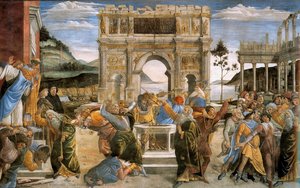
Scenes from the Story of the Argonauts
 61.0 x 153.0 cm
 المتحف المتروبوليتاني للفنون
 عرض المزيد
نسخة زيتية مصنوعة يدوياً
لوحة زيتية مرسومة يدوياً على الكانفاس بالمقاس والإطار الذي تفضله، تُنفذ حسب الطلب على أيدي فنانينا. ( التحويل إلى المطبوعات الانتقال إلى الصورة الرقمية)




































اختر من بين أحجامنا المُعدّة مسبقًا والتي تتطابق مع النسب الأصلية للعمل الفني.

يمكنك إدخال أبعادك الخاصة لتناسب إطارًا معينًا أو مساحة محددة. وإذا لم يتطابق الحجم الذي اخترته مع نسب الصورة الأصلية، فسنقوم إما بقص العمل الفني أو توسيع اللوحة بإضافة عناصر مرسومة يدويًا. سيتم إرسال نموذج رقمي إليك للموافقة عليه قبل بدء الإنتاج.
يرجى ملاحظة أن المعاينة على الشاشة لا تعكس عملية القص أو التوسيع الفعلية؛ حيث إن النموذج الرقمي وحده هو الذي سيوضح التكوين النهائي بدقة.
وعلى الرغم من توفر أحجام مخصصة، إلا أننا نوصي باختيار أبعاد من القائمة المحددة مسبقًا للحفاظ على النسب الأصلية للعمل الفني.
بعد إتمام الطلب، سيرسل فريق AllPaintingsStore.com بريداً إلكترونياً للعميل لطلب التعليمات وتزويده بمعاينة تجريبية (mockup).
توصيل عالمي إلى خلال 3 إلى 4 أسابيع بدلاً من المدة المعتادة البالغة 5 أسابيع. (21 سبتمبر). جودة لا تهاون فيها.

شحن سريع ومجاني لجميع أنحاء العالم

قماش كتان عالي الجودة

تأمين شحن شامل

ضمان استرداد الرسوم الجمركية

ضمان مطابقة الألوان الحقيقية

سياسة الإرجاع خلال 100 يوم (في حالات العيوب فقط)

ضمان استرداد نقدي بنسبة 100%

خصم عند طلب عدة قطع
 خيار الزجاج متاح فقط للمقاسات التي تقل عن 110 سم

Scenes from the Story of the Argonauts
خامة إعادة الإنتاج
مقاس النسخة المطبوعة
-


السعر الإجمالي النهائي
$ 258
أعمال فنية ذات صلة




السيرة الذاتية للفنان
Biagio d'Antonio Tucci (1446 – 1 June 1516): A Florentine Renaissance Innovator
Biagio d’Antonio Tucci, often referred to as Biagio d’Antonio da Firenze, was a pivotal figure in the Florentine Renaissance art scene—a painter whose distinctive style blended humanist ideals with Northern European artistic traditions. Born around 1446 in Florence, Italy, he emerged during a period of intense artistic experimentation and cultural exchange, marking him as an artist deeply embedded within the broader context of his time. Despite scholarly debates surrounding his precise identity and biographical details—confused with several other painters bearing similar names—his contribution to Florentine art remains undeniable, evidenced by his prolific output and enduring legacy. Lightbown excludes the suggestion that he is the Biagio apprenticed to Andrea Verrocchio, whose workshop was a crucible of artistic innovation during this era.- Early Life & Training: Limited biographical information exists regarding Tucci’s formative years. He began his artistic journey in Florence under the tutelage of Andrea Verrocchio—a renowned sculptor and painter whose workshop served as a hub for artistic development. This association undoubtedly instilled in him a foundational understanding of sculptural techniques alongside painting, shaping his aesthetic sensibilities from an early age. The influence of Verrocchio’s humanist approach to art is palpable throughout Tucci's oeuvre.
Style & Influences: Bridging Florentine Tradition and Northern Innovation
Tucci’s artistic style represents a fascinating confluence of stylistic currents prevalent in Florence during the mid-15th century. He absorbed the humanist spirit championed by Lorenzo de Medici—characterized by meticulous observation of nature and an emphasis on classical ideals—while simultaneously embracing techniques borrowed from Northern European painting, particularly those practiced in Flanders and Burgundy. This dual influence is strikingly apparent in his use of perspective, chiaroscuro (the dramatic interplay of light and shadow), and decorative ornamentation—elements that distinguished him from many of his contemporaries.- Notable Influences: Filippo Lippi: Tucci’s artistic vision was profoundly shaped by Lippi's masterful handling of color and composition, reflecting Lippi’s commitment to portraying human emotion with sensitivity and realism.
- Andrea Verrocchio: His apprenticeship under Verrocchio cemented his understanding of sculptural techniques alongside painting.
- Domenico Ghirlandaio: Ghirlandaio’s workshop fostered a collaborative environment where artists honed their skills and exchanged ideas—a tradition that undoubtedly contributed to Tucci's artistic development.
Major Works & Commissions
Tucci’s artistic output spanned across various mediums, including frescoes, cassone panels (elaborate wooden chests adorned with painted decoration), and altarpieces. His most celebrated commissions included participation in the decoration of the Sistine Chapel under Lorenzo de Medici—specifically the monumental frescoes depicting the Last Supper and the Crossing of the Red Sea—a project that cemented his reputation as one of Florence’s foremost artists. He collaborated closely with Pietro Perugino on the Palazzo della Signoria, furthering the dissemination of Florentine artistic ideals.- Significant Projects: The Sistine Chapel Frescoes: Tucci's contribution to this iconic artwork showcased his mastery of perspective and dramatic composition—elements that exemplify the Renaissance preoccupation with humanist observation and classical grandeur.
- Palazzo della Signoria Decorations: His involvement in decorating the Palazzo della Signoria underscored Florence’s role as a cultural epicenter during the Renaissance.
- Cassone Panels: Tucci's cassone panels—particularly those featuring intricate floral motifs and vibrant colors—demonstrate his exceptional skill in decorative painting and reflect the opulent tastes of Florentine aristocratic families.
Legacy & Historical Significance
Biagio d’Antonio da Firenze’s artistic legacy extends beyond his individual masterpieces—it embodies the spirit of Renaissance Florence itself: a period characterized by intellectual curiosity, artistic innovation, and a fervent embrace of classical ideals. His stylistic synthesis—combining Florentine tradition with Northern European influences—established him as a pivotal figure in shaping the visual culture of his era. Furthermore, his participation in monumental projects like the Sistine Chapel underscored Florence’s prominence on the European stage—solidifying Tucci's place among the artists who defined the Renaissance aesthetic and continue to inspire admiration centuries later.
biagio d'antonio da firenze
1446 - 1516 , Italy
حقائق سريعة
- Artistic Movement Or Style: Renaissance
- Artists Or Movements Influenced By This Artist: ['Antonio da Correggio']
- Artists Who Influenced This Artist:
- Filippo Lippi
- Andrea Verrocchio
- Domenico Ghirlandaio
- Date Of Birth: 1446
- Full Name: Biagio d'Antonio Tucci
- Nationality: Italian
- Notable Artworks:
- Madonna and Child with Saints
- Crucifixion with Mary and St John the Evangelist
- Place Of Birth: Florence

