


 معاينة الحجم الحقيقي
 مشاركة
 مشاركة
 التفاصيل

 تحميل الملف
 قطع مشابهة
 الأشعة السينية
 عرض شرائح
غير مُحدد


 عرض المزيد
احصل على صورة رقمية عالية الدقة ومعزّنة، بجودة تفوق بكثير المعاينة عبر الإنترنت.
يتم إعداد كل ملف بعناية فائقة من قبل متخصصينا الداخليين باستخدام أدوات متقدمة ولمسات يدوية خبيرة. نضمن أن تتمتع كل صورة بوضوح استثنائي، ودقة لونية متناهية، وتفاصيل دقيقة.
يتم تسليم الملف النهائي عبر البريد الإلكتروني في غضون 72 ساعة، وهو مُحسَّن للاستخدام الفوري في المجالات المهنية والتحريرية ومجالات الطباعة. هذه هي ذات الجودة التي تعتمد عليها كبرى استوديوهات التصميم ودور النشر والمعارض الفنية المرموقة.
صورة رقمية
حمّل ملفاً عالي الدقة للعرض الشخصي، والطباعة، والمشاريع الإبداعية. ( اشترِ نسخة مطبوعة اشترِ لوحة مرسومة يدويًا)
مزايا مُضمّنة في كل طلب صورة رقمية
تسليم رقمي احترافي، مضمون
عندما تختار AllPaintingsStore.com، فأنت لا تحصل على مجرد صورة فحسب، بل ستحصل على عمل فني رقمي مُحسّن باحترافية، صُمم بدقة متناهية ومصحوب بضمان الرضا. إليك كل ما يتضمنه طلبك تلقائياً:

تسليم سريع عبر البريد الإلكتروني
ستصلك ملفات صورك الرقمية عالية الدقة عبر البريد الإلكتروني في غضون 72 ساعة من إتمام الطلب - لتكون جاهزة للاستخدام الفوري.

ملف رقمي مُحسّن بالذكاء الاصطناعي
يتم تحسين عملك الفني باحترافية باستخدام أدوات الذكاء الاصطناعي المتقدمة والتحرير اليدوي، لضمان أقصى درجات التفاصيل والوضوح ودقة الألوان.

إعادة إرسال مجانية مدى الحياة
هل حذفت ملفك أو فقدته عن طريق الخطأ؟ لا تقلق - سنعيد إرساله إليك في أي وقت، ومجاناً.

بدون رسوم استيراد - على الإطلاق
استمتع بأعمالك الفنية فوراً دون أي رسوم جمركية أو ضرائب أو مصاريف شحن - فالتحميلات الرقمية دائماً ما تكون معفاة من الضرائب.

ضمان دقة الألوان
نحن نضمن أن تعكس صورتك الرقمية الألوان الأصلية بأقصى قدر ممكن من الدقة، وذلك باستخدام أدوات احترافية وتقنيات إدارة الألوان.

ضمان الرضا لمدة 60 يومًا
إذا لم تكن راضياً عن صورتك الرقمية، فسنقوم بتعديلها أو استرداد 100% من قيمتها خلال 60 يوماً - دون أي أسئلة.

ضمان استعادة الأموال بنسبة % 100
لم تكن راضياً؟ احصل على استرداد كامل المبلغ خلال 60 يومًا من استلام ملفك الرقمي - دون أي أسئلة.

خصومات الطلبات الكبيرة
اشتري 3 صور، ووفر 10% - اشتري 5، ووفر 15% - اشتري +10، ووفر 20%. مثالية للمشاريع الإبداعية، والمعارض، والوكالات.
وصف المقتنى الفني
Carlos Mérida: A Dialogue Between Tradition and Modernity
Carlos Mérida (1891-1984)، فنان غواتيمالي ومكسيكي، يمثل نقطة تحول حاسمة في تاريخ الفن اللاتيني الحديث، حيث استطاع أن يجسد تيارًا إبداعيًا فريدًا يجمع بين الإرث الثقافي الغواتيمالي العريق والتأثيرات الفنية الأوروبية المتمثلة في البارانويا والكونتراستيف، مع لمسة من التراث المايائي الأصيل الذي ترك بصمته على الفكر والفنون اللاتينية.
كانت بداية مسيرته الفنية الموسيقية، لكن فقدان السمع المفاجئ أدى إلى توجيهه نحو الرسم تحت إلهام والده، ليُكتشف موهبة استطاعت أن تتفتح وتزهر عبر القارات، مُعيدًا إحياء الأساليب الفنية المتميزة وتحديًا الحدود الإبداعية.
أثرت دراستاه في أكاديمية الفنون والحرف وفي أكاديمية العلوم والآداب في غواتيمال سلفًا على مسيرته الفنية، التي شهدت استكشافًا دائمًا للابتكار والتزامًا بالبحث عن جماليات أمريكية أصيلة، حيث تميزت بتأثير قوي لتيارات الفن الأوروبية الكبرى مثل البارانويا والكونتراستيف، مع إحساس عميق بالتراث المايائي الذي كان له دور أساسي في تشكيل الفكر والفنون اللاتينية.
Geometric Abstraction: The Language of Mérida
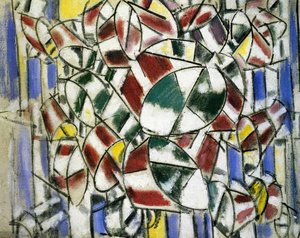
تميزت أعمال Mérida في الخمسينيات بلغة هندسية صارمة، حيث استُخدمت الأشكال الهندسية البسيطة والخطوط الواضحة لتشكيل أساس التصميم الفني، وتحديدًا في لوحات تتسم باللون الصلب والمساحات السلبية التي تعكس تأثير حركة الكونتراستيف والتي كانت من أهم التوجهات الفنية في تلك الحقبة.
تعتبر هذه الأشكال الهندسية بمثابة حوار بين الماضي والحاضر، حيث تستلهم الإلهام من التقاليد المايائية القديمة التي تعكس وعيًا بالتراث الثقافي الغواتيمالي، وتستجيب للتحديات الفنية التي طرحتها حركة الكونتراستيف في أوروبا، والتي كانت تسعى إلى إحداث ثورة في الأساليب الفنية التقليدية وإعادة النظر في مفهوم الجمال.
Color and Texture: Layers of Meaning
لم يكن اللون مجرد عنصر جمالي في أعمال Mérida، بل كان وسيلة للتعبير عن المشاعر والأفكار، حيث استخدم الفنان ألوانًا زاهية ومترابطة لخلق تأثير بصري قوي وعميق، وتحديدًا في اللوحات التي تتسم بتنوع الألوان والتراكيب الجمالية التي تعكس التراث الفني الغواتيمالي واللاتيني.
كما لعبت القماش أو الورق دورًا هامًا في إضفاء الطابع البصري على الأعمال الفنية، حيث تم اختيار القماش بعناية فائقة لتعزيز التأثير الجمالي للعمل الفني وإبراز التباين بين الألوان والخطوط الهندسية، مما يضيف عمقًا وتأثيرًا عاطفيًا للوحة ويجعلها أكثر جاذبية للمشاهد.
Symbolism and Emotional Impact
على الرغم من أن Mérida لم يستخدم رموزًا واضحة أو علامات دينية في أعماله الفنية، إلا أنه استطاع أن ينقل رسالة قوية ومؤثرة عن حالة الإنسان وعلاقته بالعالم، حيث تعكس اللوحات الفنية التوجهات الفلسفية والروحانية التي كانت سائدة في ذلك العصر، وتثير تساؤلات حول طبيعة الوجود والإنسان ومكانته في الكون.
تتميز الأعمال الفنية لم Mérida بتوازن بين العناصر البصرية والرمزية، حيث تستخدم الألوان والخطوط الهندسية للتعبير عن المشاعر والأفكار بطريقة غير مباشرة، وتثير العواطف لدى المشاهد وتدعوه إلى التأمل والتفكير في قضايا أساسية تتعلق بالحياة والموت والجمال.
أعمال فنية ذات صلة


السيرة الذاتية للفنان
A Fusion of Worlds: The Life and Art of Carlos Mérida
Carlos Mérida, born Carlos Santiago Ortega in Guatemala City in 1891, stands as a pivotal figure in the narrative of Latin American modern art. His journey was one of constant exploration—a compelling synthesis of European avant-garde sensibilities with the rich cultural heritage of his Guatemalan roots and, later, the vibrant artistic landscape of Mexico. Initially drawn to music, Mérida’s path shifted due to hearing loss, a circumstance that unexpectedly steered him toward painting under his father's encouragement. This redirection proved fortuitous, unlocking a talent that would blossom across continents and redefine artistic boundaries. His early studies at the Instituto de Artes y Oficios and the Instituto de Ciencias y Letras in Guatemala City laid the foundation for an artistic career marked by innovation and a relentless pursuit of a uniquely American aesthetic. Even his adoption of the surname “Mérida,” finding it more resonant, speaks to a deliberate crafting of identity—a theme that would permeate his life and work. His first exhibition in 1910 already hinted at the avant-garde tendencies that would define his artistic vision.Parisian Encounters and the Seeds of Modernism
The year 1910 marked a turning point, as Mérida embarked on a journey to Paris with a fellow artist, Carlos Valenti. This sojourn into the heart of Europe proved transformative. Immersed in the burgeoning modernist movements, he encountered giants like Van Dongen, Modigliani, Picasso, and Mondrian—artists who were dismantling traditional artistic conventions and forging new visual languages. He exhibited at the Independent Salon and Giroux Gallery, absorbing the energy of a city pulsating with creative ferment. These encounters weren’t merely observational; Mérida actively engaged with these masters, participating in discussions and debates that shaped his understanding of art's potential. The tragic suicide of Valenti deeply affected him, but he persevered, finding solace and guidance from artists like Roberto Montenegro who helped him navigate the complexities of the Parisian art scene. This period instilled within him a deep appreciation for Cubism and other emerging styles, providing the tools with which he would later articulate his own artistic vision.Returning to Roots: Guatemala and Mexico
Following World War I, Mérida returned to Guatemala in 1914, but this was not a return to the status quo. The experience of Europe had irrevocably altered his perspective. He began to look inward, captivated by Guatemalan folklore and driven by a desire to define an authentically “American” identity within his art. His exhibitions during this time were groundbreaking, signaling the dawn of modern painting in Guatemala. However, it was Mexico that ultimately became his artistic home. In 1919, he relocated to Mexico City, drawn by the fervor of the Mexican muralism movement and a sense of shared cultural purpose. He quickly integrated into the artistic community, collaborating with Diego Rivera and Xavier Guerrero on projects like the murals at the National Preparatory School as part of the *Renacimiento Mexicano* (Mexican Renaissance). Yet, Mérida’s approach differed from that of his muralist contemporaries. While they often favored figurative narratives steeped in social and political commentary, Mérida gravitated towards abstraction—a path he solidified after a second trip to Europe in the late 1920s where he further explored Mayan art.Plastic Integration and a Unique Artistic Language
Mérida’s artistic philosophy culminated in his concept of “plastic integration,” an ambitious attempt to harmonize art and architecture. This vision reached its most expansive expression in the Benito Juárez Housing Project, a large-scale endeavor that tragically fell victim to the 1985 Mexico City earthquake. The project exemplified Mérida's belief in the power of art to transform living spaces and elevate everyday life. Throughout his career, he continued to experiment with diverse mediums—designs, graphic works, scenographic sketches for dance, and tapestries—always returning to geometric variations and vibrant color palettes. His style became instantly recognizable: a dynamic interplay of abstract forms infused with Mayan symbolism and the energy of Mexican modernism. He wasn’t simply appropriating indigenous motifs; he was engaging in a dialogue between ancient traditions and contemporary aesthetics, creating a visual language that was both deeply rooted and strikingly original. His work is characterized by its bold colors, geometric shapes, and integration of Mayan cultural elements. His contributions were widely recognized with exhibitions in the United States—at Harvard University and the Museum of Fine Arts, Boston, among others—and culminated in the National Prize for Arts and Sciences in Mexico.A Lasting Legacy
Carlos Mérida passed away in Mexico City in 1985 at the age of 94, leaving behind a legacy that continues to inspire artists and scholars alike. He is remembered not merely as an artist who blended European modernism with Latin American themes but as a visionary who forged a new path for artistic expression. He successfully synthesized disparate influences—Cubism, Surrealism, Mayan art, Mexican muralism—into a cohesive and compelling aesthetic. His work transcends categorization, existing in a space between abstraction and representation, tradition and innovation. Mérida’s enduring significance lies in his ability to articulate a uniquely American identity through the universal language of art, proving that artistic boundaries are meant to be challenged and redefined. He remains a testament to the power of cultural exchange and the transformative potential of creative vision.
Carlos Mérida
1891 - 1984



