ضمان استرداد الأموال خلال ١٠٠ يوم شحن مجاني حول العالم
449582الأعمال الفنية 30618الفنانون 4705المتاحف 32اللغات
العملة
    اللغة
      أتيليه · تأسست عام ٢٠١٥ · باريس، فرنسا
      AllPaintingsStore
      allpaintingsstore.com
      معاينة الحجم الواقعي معاينة بالواقع المعزز التبديل إلى المطبوعات التحويل إلى الصورة الرقمية إرسال
      عرض التفاصيل دليل الأعمال الفنية للطلاب أضف إلى المفضلة تحميل قطع مشابهة الأشعة السينية عرض شرائح متتابع الإحصائيات

      Grainstack at Sunset

      Experience Claude Monet's 'Grainstack at Sunset'! This iconic Impressionist masterpiece captures winter’s beauty with soft brushstrokes and serene light. Explore a timeless work of art – available as a stunning hand-painted reproduction.

      استكشف عالم كلود مونيه، رائد الانطباعية الشهير بقدرته على تجسيد الضوء والألوان العابرة من خلال لوحاته الخالدة مثل 'زنابق الماء' و'أكوام القش'.

      نسخة زيتية مصنوعة يدوياً

      لوحة زيتية مرسومة يدوياً على الكانفاس بالمقاس والإطار الذي تفضله، تُنفذ حسب الطلب على أيدي فنانينا. ( التبديل إلى المطبوعات التحويل إلى الصورة الرقمية)

      Corner sample of the P118B picture frame: moulded polystyrene, 5 cm wide and 3 cm thick
      P118B 10
      Corner sample of the P118H picture frame: moulded polystyrene, 5 cm wide and 3 cm thick
      P118H 10
      Corner sample of the P118W picture frame: moulded polystyrene, 5 cm wide and 3 cm thick
      P118W 10
      Corner sample of the P438Z picture frame: moulded polystyrene, 5.5 cm wide and 3.5 cm thick
      P438Z 10
      Corner sample of the P508JH picture frame: moulded polystyrene, 7 cm wide and 3.5 cm thick
      P508JH 12
      Corner sample of the P508YH picture frame: moulded polystyrene, 7 cm wide and 3.5 cm thick
      P508YH 12
      Corner sample of the P805H picture frame: moulded polystyrene, 5 cm wide and 3.5 cm thick
      P805H 10
      Corner sample of the P805Z picture frame: moulded polystyrene, 5 cm wide and 3.5 cm thick
      P805Z 10
      Corner sample of the P919BZ picture frame: moulded polystyrene, 7 cm wide and 3.5 cm thick
      P919BZ 10
      Corner sample of the P919G picture frame: moulded polystyrene, 7 cm wide and 3.5 cm thick
      P919G 10
      Corner sample of the P919XJ picture frame: moulded polystyrene, 7 cm wide and 3.5 cm thick
      P919XJ 10
      Corner sample of the P959ZH picture frame: moulded polystyrene, 5 cm wide and 3 cm thick
      P959ZH 10
      Corner sample of the P968JZ picture frame: moulded polystyrene, 6 cm wide and 4 cm thick
      P968JZ 12
      Corner sample of the W106C picture frame: solid wood, 5 cm wide and 3 cm thick
      W106C 8
      Corner sample of the W218G picture frame: solid wood, 5 cm wide and 3 cm thick
      W218G 10
      Corner sample of the W218JH picture frame: solid wood, 5 cm wide and 3 cm thick
      W218JH 8
      Corner sample of the W218Y picture frame: solid wood, 5 cm wide and 3 cm thick
      W218Y 10
      Corner sample of the W307PJ picture frame: solid wood, 6 cm wide and 3 cm thick
      W307PJ 10
      Corner sample of the W316G picture frame: solid wood, 6 cm wide and 3 cm thick
      W316G 10
      Corner sample of the W316PJ picture frame: solid wood, 6 cm wide and 3 cm thick
      W316PJ 8
      Corner sample of the W316Y picture frame: solid wood, 6 cm wide and 3 cm thick
      W316Y 10
      Corner sample of the W398PJ picture frame: solid wood, 5 cm wide and 3 cm thick
      W398PJ 8
      Corner sample of the W4111J picture frame: solid wood, 6.5 cm wide and 3.5 cm thick
      W4111J 10
      Corner sample of the W500HY picture frame: solid wood, 7 cm wide and 5 cm thick
      W500HY 15
      Corner sample of the W500JH picture frame: solid wood, 7 cm wide and 5 cm thick
      W500JH 15
      Corner sample of the W692G picture frame: solid wood, 8 cm wide and 4 cm thick
      W692G 12
      Corner sample of the W849H picture frame: solid wood, 5 cm wide and 3 cm thick
      W849H 8
      Corner sample of the W940BG picture frame: solid wood, 7.5 cm wide and 4.5 cm thick
      W940BG 15
      Corner sample of the W953PJ picture frame: solid wood, 6 cm wide and 3.5 cm thick
      W953PJ 8

      مقاس قياسي
      مخصص
      CM
      INCH

      اختر من بين أحجامنا المُعدّة مسبقاً والتي تتوافق مع النسب الأصلية للعمل الفني.

      العرض
      الارتفاع

      يمكنك إدخال أبعاد خاصة لتناسب إطاراً أو مساحة معينة. وفي حال عدم تطابق الحجم المختار مع نسب الصورة الأصلية، سنقوم إما بقص العمل الفني أو توسيع اللوحة عبر إضافة عناصر مرسومة يدوياً. وسيتم إرسال نموذج رقمي إليك للموافقة عليه قبل بدء عملية الإنتاج.
      يرجى ملاحظة أن المعاينة على الشاشة لا تعكس عملية القص أو التوسيع الفعلية؛ إذ إن النموذج الرقمي هو الوحيد الذي يوضح التكوين النهائي بدقة.
      وعلى الرغم من توفر أحجام مخصصة، إلا أننا نوصي باختيار أبعاد من القائمة المحددة مسبقاً للحفاظ على النسب الأصلية للعمل الفني.

      أمثلة على التعديلات الممكنة: استبدال الوجه بصورة العميل؛ إضافة حيوان أليف (مثل استبدال قطة بكلب)؛ تضمين رسالة مخفية في الخلفية؛ تغيير المناظر الطبيعية أو العناصر في الخلفية.
      بعد إتمام الطلب، سيرسل فريق AllPaintingsStore.com بريداً إلكترونياً للعميل لطلب التعليمات وتزويده بمعاينة تجريبية (mockup).

      توصيل عالمي إلى خلال 3 إلى 4 أسابيع بدلاً من المدة المعتادة البالغة 5 أسابيع. (10 أكتوبر). جودة لا تهاون فيها.

      شحن سريع ومجاني لجميع أنحاء العالم
      قماش كتان فاخر
      تأمين شامل على الشحن
      ضمان استرداد الرسوم الجمركية
      ضمان دقة مطابقة الألوان
      سياسة الإرجاع خلال 100 يوم (في حالات العيوب فقط)
      ضمان استرداد نقدي بنسبة 100%
      عرض خصم الكميات

      إجمالي السعر

      E£ 13245

      Grainstack at Sunset

      وسيط إعادة الإنتاج

      مقاس النسخة المطبوعة

      -

      إجمالي السعر

      E£ 13245

      حقائق سريعة

      • Movement: Impressionism
      • Medium: Oil on canvas
      • Title: Grainstack at Sunset
      • Artistic style: Impressionist landscape
      • Notable elements: En plein air, light study
      • Year: 1891-1892
      • Location: Musée d'Orsay, Paris

      اختبار المعلومات الفنية

      لكل سؤال إجابة صحيحة واحدة فقط.

      سؤال 1:
      In which year was 'Grainstack at Sunset' painted?
      سؤال 2:
      Where did the scene in this painting unfold?
      سؤال 3:
      What is the primary technique used by Monet to capture light and color in this work?
      سؤال 4:
      Which colors are mentioned as bleeding across the sky during the sunset?
      سؤال 5:
      What is the main subject matter dominating the foreground of the painting?

      The Essence of a Moment: Grainstack at Sunset

      Claude Monet’s “Grainstack at Sunset” isn't merely a depiction of a rural landscape; it’s an immersion into the very soul of Impressionism. Painted in 1890-91, during a period of intense experimentation and profound personal reflection for the artist, this work embodies his revolutionary approach to capturing fleeting moments of light and atmosphere. The scene unfolds within Monet's meticulously cultivated gardens at Giverny, a sanctuary where he relentlessly pursued his artistic vision. It’s a testament to his belief that painting should not strive to replicate reality with photographic precision but rather convey the subjective experience of seeing – the shimmering dance of color, the subtle shifts in light, and the emotional resonance of a particular time and place.

      The composition itself is deceptively simple. A series of haystacks, rendered in loose, broken brushstrokes, dominate the foreground, their forms dissolving into the hazy atmosphere. The warm hues of sunset – fiery oranges, deep reds, and soft yellows – bleed across the sky, reflected in the still waters of a nearby pond. The effect is not one of sharp detail but rather of diffused light and color, creating an almost dreamlike quality. Monet’s technique here is crucial: he employed short, broken brushstrokes applied directly to the canvas, allowing the colors to mingle and blend optically before the viewer's eye. This method, central to Impressionism, aimed to capture the transient effects of light rather than meticulously recreating form.

      A Study in Light and Color – Monet’s Revolutionary Technique

      Monet’s approach to color is particularly striking in “Grainstack at Sunset.” He abandoned traditional methods of mixing colors on a palette, instead applying pure pigments directly to the canvas. This technique, known as *plein air* painting (working outdoors), allowed him to capture the nuances of natural light with unprecedented accuracy. The vibrant hues of the sunset are not simply painted; they seem to emanate from within the canvas itself. Notice how he uses complementary colors – orange and blue, red and green – to create a sense of vibrancy and depth. The subtle gradations of color, achieved through layering and blending, contribute to the painting’s luminous quality. It's important to note that Monet was not interested in creating a realistic representation; instead, he sought to capture the *impression* of light and color as perceived by the eye.

      The haystack series, including “Grainstack at Sunset,” represents a pivotal moment in Monet’s artistic development. He repeatedly painted the same subject under varying conditions – different times of day, different weather, and different seasons – to study how light transforms the appearance of an object. This systematic approach allowed him to develop his understanding of color theory and to refine his technique for capturing fleeting moments of beauty. The series is not simply a collection of paintings; it’s a visual meditation on the nature of perception itself.

      Symbolism and Emotional Resonance – A Window into Monet's Soul

      Beyond its technical brilliance, “Grainstack at Sunset” holds deeper symbolic significance. The haystacks themselves can be interpreted as symbols of rural life, labor, and the rhythms of the seasons. However, they are presented in a way that transcends their literal meaning, becoming emblems of beauty and tranquility. The sunset, with its fiery colors and fading light, evokes feelings of nostalgia, reflection, and perhaps even melancholy. It’s a moment suspended in time, inviting the viewer to contemplate the passage of time and the ephemeral nature of beauty.

      Monet's personal life at this period was marked by both joy and sorrow. He had recently lost his beloved wife Camille, and the painting can be seen as an attempt to find solace and beauty in the natural world. The quiet serenity of the scene offers a respite from the turmoil of his emotions, while simultaneously acknowledging the inevitability of loss. “Grainstack at Sunset” is not just a beautiful landscape; it’s a poignant expression of human experience – a testament to the power of art to capture both the beauty and the sadness of life.

      الأسئلة والأجوبة

      ما هي لوحة الألوان وما هو الشعور الذي يجمعه "Grainstack at Sunset"؟

      في "Grainstack at Sunset"، ترافق ألوان Neutrals شعوراً بـ Tranquil.

      هل العمل "Grainstack at Sunset" للفنان كلود مونيه ضمن الملكية العامة، ولماذا؟

      تعتمد حالة حقوق الطبع والنشر لـ "Grainstack at Sunset" - ملك عام - انتهت مدة حماية حقوق الطبع والنشر الخاصة به - على تاريخ وفاة الفنان في 1926.

      هل يمكنني طلب نسخة زيتية مرسومة يدوياً من "Grainstack at Sunset"؟

      يمكنكم طلب نسخة مرسومة يدوياً من "Grainstack at Sunset" للفنان كلود مونيه مباشرة عبر هذه الصفحة: نسخة زيتية مرسومة يدوياً على قماش الكتان، وتُنفذ حسب الطلب.

      ما مدى تناغم ألوان "Grainstack at Sunset" للفنان كلود مونيه؟

      تُظهر لوحة "Grainstack at Sunset" للفنان كلود مونيه تناغماً لونياً Balanced Harmony.

      أين يمكنني شراء نسخة مطبوعة من "Grainstack at Sunset" للفنان كلود مونيه؟

      يمكن طلب نسخة مطبوعة من "Grainstack at Sunset" للفنان كلود مونيه مباشرة عبر هذه الصفحة: مطبوعة فنية فاخرة على قماش قطني أو ورق كانفاس أرشيفي.

      من هو الفنان الذي أبدع "Grainstack at Sunset"؟

      الفنان الذي أبدع عمل "Grainstack at Sunset" هو كلود مونيه. العمل مُدرج تحت اسم كلود مونيه.

      كيف يوازن "Grainstack at Sunset" بين الضوء والظلال؟

      تتميز لوحة "Grainstack at Sunset" بدرجة سطوع إجمالية تبلغ brilliant، كما يبلغ مستوى الإضاءة فيها Bright Balance.


      نبذة عن الفنان

      حياة غارقة في الضوء: عالم كلود مونيه

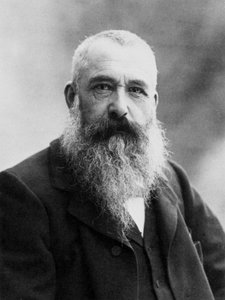
      أوسكار كلود مونيه، الاسم الذي أصبح مرادفاً للمدرسة الانطباعية، لم يكن مجرد رسام للمناظر الطبيعية؛ بل كان مؤرخاً للحظات العابرة، وشاعراً للضوء واللون. وُلد في باريس في الرابع عشر من نوفمبر عام 1840، واتخذت حياته المبكرة مساراً غير متوقع عندما انتقلت عائلته إلى لو هافر بنورماندي وهو في الخامسة من عمره. ورغم أن والده كان يخطط له مستقبلاً تجارياً، إلا أن موهبة كلود الفنية الفطرية سرعان ما ظهرت للعلن، وتجلت أولاً في رسومات كاريكاتورية بالفحم بيعت محلياً – مما عكس مهارته وروح المبادرة لديه. ومع ذلك، كان لقاؤه مع يوجين بودان هو نقطة التحول الجوهرية؛ فلم يعلم بودان مونيه كيف يرسم فحسب، بل غرس في وجدانه الفكرة الثورية بالرسم en plein air—أي الرسم في الهواء الطلق مباشرة من قلب الطبيعة—وهي الممارسة التي ستحدد ملامح رحلته الفنية بأكملها.

      بدأ تدريب مونيه الرسمي في باريس، لفترة وجيزة في الأكاديمية السويسرية ثم تحت إشراف شارل جليير. وفي هذه الأروقة، نسج صداقات دامت طويلاً مع فنانين مثل أوغست رينوار، وهي رابطة بنيت على خيبات أمل فنية مشتركة ورغبة جامحة في التحرر من قيود الرسم الأكاديمي التقليدي. وعلى الرغم من أن أعماله المبكرة أظهرت براعة تقنية، إلا أنها كانت تفتقر إلى تلك البصمة المميزة التي ستشكل هويته لاحقاً. ثم تلت ذلك فترة من الاضطرابات؛ حيث أجبرت الحرب الفرنسية البروسية مونيه على اللجوء إلى لندن، وهناك انغمس في دراسة أعمال أساتذة المناظر الطبيعية الإنجليز مثل جيه دبليو تي تيرنر، ممتصاً تأثيراتهم الجوية واستخدامهم المبتكر للألوان.

      ميلاد ثورة جمالية

      عند عودته إلى فرنسا، برز مونيه كشخصية محورية في تمرد فني متصاعد. وبسبب عدم رضاه عن المعايير المحافظة لـ "الصالون"، اتحد مع فنانين آخرين يشاركونه الرؤية لتنظيم معارض مستقلة. وقد شكل معرض عام 1874 لحظة فارقة، ليس لمونيه فحسب، بل لعالم الفن بأسره؛ ففي هذا المعرض عُرضت لوحته "انطباع، شروق الشمس" (Impression, soleil levant) – وهي تصوير ضبابي لميناء لو هافر عند الفجر – ومن عنوان هذه اللوحة اشتُق المصطلح الساخر "الانطباعية". ومع ذلك، التصق الاسم بالفنانين، وتحول إلى وسام شرف لحركة سعت لالتقاط الانطباع الذاتي للمشهد بدلاً من تمثيله بدقة واقعية.

      ازدهر أسلوب مونيه المميز خلال هذه الفترة: ضربات فرشاة حرة وواضحة، وألوان نابضة بالحياة وغالباً غير ممزوجة توضع جنباً إلى جنب (وهي تقنية تُعرف بـ "اللون المكسور")، مع تركيز لا يتزعزع على التقاط الخصائص الزائلة للضوء. لقد سعى بلا كلل وراء ممارسة الرسم في الهواء الطلق، حيث كان يعمل بسرعة لتدوين تصوراته اللحظية قبل أن تغير الظروف المتغيرة ملامح المشهد. لم يكن هذا التفاني مجرد محاولة لتصوير ما يراه، بل كان تعبيراً عما يشعر به تجاه ذلك المشهد – في خروج جذري عن التقاليد الفنية السائدة.

      جيفيرني: فردوس الضوء والانعكاس

      في عام 1883، استقر مونيه في جيفيرني، شمال غرب باريس، حيث أسس منزلاً وحديقة أصبحتا ملاذه ومصدر إلهامه الأعظم. لقد حول تلك الملكية بدقة متناهية إلى فردوس غني، يضم زهوراً غريبة، وأشجار الصفصاف الباكية، والأهم من ذلك، بركة زنابق الماء التي يتوسطها جسر ياباني شهير. لم تكن هذه مجرد حديقة للزينة؛ بل كانت مختبراً حياً حيث استطاع مونيه دراسة تأثيرات الضوء على الماء، وأوراق الشجر، والانعكاسات في ظروف مدروسة.

      وقد كرس العقود الأخيرة من حياته بالكامل لرسم بركة زنابق الماء في جيفيرني. وانطلق في سلسلة "زنابق الماء" (Nymphéas) الملحمية، مبتكراً لوحات ضخمة صورت سطح البركة كنسيج متغير باستمرار من الألوان والضوء. لم تكن هذه مجرد لوحات للزهور؛ بل كانت تجارب غامرة، صُممت لتغمر المشاهد في عالم من الجمال الهادئ والسكون التأملي. إن حجم هذه الأعمال يحبس الأنفاس، حيث دفع حدود الرسم التقليدي واستشرف ملامح التعبيرية التجريدية.

      الإرث: أثر خالد في تاريخ الفن

      إن تأثير كلود مونيه على تاريخ الفن لا يمكن قياسه. فهو لم يكن مجرد مؤسس للانطباعية، بل غير بشكل جذري الطريقة التي يدرك بها الفنانون العالم من حولهم ويمثلونه. إن تركيزه على التجربة الذاتية، وتبنيه للرسم في الهواء الطلق، وتقنياته المبتكرة، قد مهدت الطريق لاستكشاف الفن الحديث للتجريد والأشكال غير التمثيلية.

      حقق مونيه نجاحاً تجارياً كبيراً خلال حياته – وهو أمر نادر للفنانين الطليعيين في عصره. ولا تزال أعماله تلهم الوجدان وتأسر الجماهير في جميع أنحاء العالم، مما يرسخ مكانته كواحد من أهم الشخصيات في الفن الغربي. رحل عن عالمنا في 5 ديسمبر 1926، تاركاً وراءه إرثاً يتردد صداه عبر أجيال من الفنانين وعشاق الفن على حد سواء. وتُحفظ مجموعات هامة من روائعه في مؤسسات مرموقة مثل متحف أورساي ومتحف مارموتان مونيه في باريس، مما يضمن أن تظل رؤيته تنير العالم.

      التقنيات الفنية الرئيسية

      • <الرسم في الهواء الطلق: ركيزة أساسية في تطوره، سمحت له بالملاحظة المباشرة للضوء والجو المحيط.
      • <اللون المكسور: وضع ضربات صغيرة من اللون الصافي جنباً إلى جنب لتحقيق المزج البصري.
      • <رسم السلاسل: تصوير نفس الموضوع تحت ظروف إضاءة وطقس مختلفة – لإظهار القوة التحويلية للزمن والضوء.
      كلود مونيه

      كلود مونيه

      1840 - 1926 , فرنسا

      لمحة سريعة

      • أعمال فنية بارزة:
        • انطباع، شروق الشمس
        • زنابق الماء
        • حزم القش
        • كاتدرائية روان
      • الاسم الكامل: كلود مونيه
      • الجنسية: فرنسي
      • الحركة الفنية: الانطباعية
      • تاريخ الميلاد: 14 نوفمبر 1840
      • حركات فنية تأثرت به: ['الفن الحديث']
      • فنانون أثروا فيه:
        • يوجين بودان
        • ويليام ترنر
      • مكان الميلاد: باريس، فرنسا
      استكشف الأعمال الفنية المصنفة حسب الموضوعات والأنماط والخصائص.