


 معاينة الحجم الحقيقي
 مشاركة
 مشاركة
 التفاصيل

 تحميل الملف
 قطع مشابهة
 الأشعة السينية
 عرض شرائح
Untitled (D2XARW)


 عرض المزيد
نسخة زيتية مصنوعة يدوياً
لوحة زيتية مرسومة يدوياً على الكانفاس بالمقاس والإطار الذي تفضله، تُنفذ حسب الطلب على أيدي فنانينا. ( اشترِ نسخة مطبوعة اشترِ الصورة)




































اختر من بين أحجامنا المُعدّة مسبقًا والتي تتطابق مع النسب الأصلية للعمل الفني.

يمكنك إدخال أبعادك الخاصة لتناسب إطارًا معينًا أو مساحة محددة. وإذا لم يتطابق الحجم الذي اخترته مع نسب الصورة الأصلية، فسنقوم إما بقص العمل الفني أو توسيع اللوحة بإضافة عناصر مرسومة يدويًا. سيتم إرسال نموذج رقمي إليك للموافقة عليه قبل بدء الإنتاج.
يرجى ملاحظة أن المعاينة على الشاشة لا تعكس عملية القص أو التوسيع الفعلية؛ حيث إن النموذج الرقمي وحده هو الذي سيوضح التكوين النهائي بدقة.
وعلى الرغم من توفر أحجام مخصصة، إلا أننا نوصي باختيار أبعاد من القائمة المحددة مسبقًا للحفاظ على النسب الأصلية للعمل الفني.
بعد إتمام الطلب، سيرسل فريق AllPaintingsStore.com بريداً إلكترونياً للعميل لطلب التعليمات وتزويده بمعاينة تجريبية (mockup).
توصيل عالمي إلى خلال 3 إلى 4 أسابيع بدلاً من المدة المعتادة البالغة 5 أسابيع. (25 أغسطس). جودة لا تهاون فيها.

شحن سريع ومجاني لجميع أنحاء العالم

قماش كتان عالي الجودة

تأمين شحن شامل

ضمان استرداد الرسوم الجمركية

ضمان مطابقة الألوان الحقيقية

سياسة الإرجاع خلال 60 يومًا (في حالات العيوب فقط)

ضمان استرداد نقدي بنسبة 100%

خصم عند طلب عدة قطع
 خيار الزجاج متاح فقط للمقاسات التي تقل عن 110 سم

Untitled (D2XARW)
خامة إعادة الإنتاج
مقاس النسخة المطبوعة
-


السعر الإجمالي النهائي
$ 258
أعمال فنية ذات صلة


السيرة الذاتية للفنان
The Soul of the Shanshui: The Life and Legacy of Dai Xi
In the grand tapestry of the Qing Dynasty, few threads shimmer with as much scholarly elegance as the life of Dai Xi. Born in 1801 in Quanzhou, China, Dai Xi emerged not merely as a painter, but as a profound interpreter of the natural world. Known by his sobriquet Chunshi—the "Pure-Minded Scholar"—his very name suggests a life dedicated to the pursuit of clarity and spiritual refinement. While his roots were planted in the fertile cultural soil of Qiantang, near Hangzhou, much of his creative spirit flourished in Guangzhou. This movement between the traditional heartlands and the vibrant, cosmopolitan atmosphere of the Canton System allowed him to bridge the gap between ancient academic traditions and a more contemporary, observational vitality.
Dai Xi’s artistic journey was deeply intertwined with the rhythms of officialdom and the weight of historical upheaval. A member of the prestigious Hanlin Academy, he navigated the complexities of the imperial bureaucracy, eventually rising to the position of Vice Minister of the Ministry of War. Yet, even amidst the responsibilities of statecraft, his heart remained anchored in the Shanshui—the "mountain and water" tradition. His life reached a tragic and poignant conclusion during the Taiping Rebellion; as Hangzhou fell to rebels in 1860, Dai Xi chose a path of profound dignity, defending his city before ultimately taking his own life. This dramatic end serves as a somber coda to a life that sought harmony amidst the turbulence of a changing empire.
A Masterpiece of Brush and Spirit
To gaze upon a work by Dai Xi is to enter a realm where the boundaries between the physical landscape and the metaphysical spirit dissolve. His technique was a masterful dialogue with the past, specifically drawing inspiration from the legendary Ming Dynasty master Wang Hui. However, where others might have merely imitated, Dai Xi sought to transcend. He adopted the meticulous brushwork and disciplined compositions of the academic manner, yet he infused them with an ethereal elegance that contemporaries claimed even exceeded his predecessors. His landscapes are not mere topographical records; they are atmospheric meditations characterized by subtle tonal gradations and a rhythmic flow of ink.
The essence of his artistry lies in the following elements:
- Harmonious Composition: A profound ability to balance the monumental weight of mountains with the delicate, fleeting movement of water and mist.
- Technical Precision: The use of refined brushstrokes that capture the rugged texture of stone and the softness of foliage with equal dexterity.
- Genre Integration: While primarily a landscape painter, Dai Xi masterfully wove human elements and botanical studies into his vistas, creating a holistic vision of a living, breathing ecosystem.
- Daoist Resonance: An underlying philosophical depth that invites the viewer into a state of quiet contemplation, reflecting the Daoist ideal of man's seamless integration with nature.
The Tang-Dai Legacy and Historical Significance
The historical significance of Dai Xi is inextricably linked to his artistic partnership with Tang Yifen. Together, they were celebrated as the "Tang-Dai" duo, a pairing that defined an era of aesthetic excellence in the mid-19th century. Their shared devotion to the literati ideals of calligraphy, poetry, and painting created a unified stylistic movement that resonated throughout the Chinese art world. This collaboration was more than just a professional association; it represented a shared vision of art as a vehicle for moral and spiritual cultivation.
Beyond the canvas, Dai Xi’s intellectual curiosity extended to the study of antiquity, evidenced by his scholarly work as an avid coin collector and his publication Guchuan zonghua. This multifaceted brilliance—as a scholar, official, collector, and artist—ensures his place in history not just as a painter of mountains, but as a true Renaissance man of the Qing era. His works remain enduring testaments to a period when the brushstroke was a bridge between the earthly realm and the eternal.

dai xi
1801 - 1860 , China
حقائق سريعة
- Artistic Movement Or Style: Wang Hui influence
- Artists Or Movements Influenced By This Artist: ['Tang Yifen']
- Artists Who Influenced This Artist: ['Wang Hui']
- Date Of Birth: Quanzhou, China (1801)
- Date Of Death: 1860
- Full Name: Dai Xi
- Nationality: Chinese
- Notable Artworks: ['Distant Streams and Mountains']
- Place Of Birth: Quanzhou, China
مقالات ذات صلة

أعمال كاتسوشيكا هوكوساي الـ 25 الأكثر روعة: تحف فنية تزين منزلك بجمال اليابان
اكتشف 25 تحفة فنية آسرة لكاتسوشيكا هوكوساي، رائد فن الأوكييو-إي الياباني. موجة كاناغاوا وجبل فوجي وأكثر! استلهم ديكور منزلك بألوان مائية يابانية خالدة. تسوق لوحات هوكوساي عالية الجودة على AllPaintingsStore.com.

أفضل 10 لوحات طبيعية رومانسية غيرت مسار الفن وجمّلت الديكور | AllPaintingsStore
اكتشف 10 روائع فنية رسمت مسار الفن الرومانسي! استكشف لوحات فريدريش، مالارد وأكثر. قصص الفنانين، تقنيات الرسم، وجمال المناظر الطبيعية الخلابة. احصل على أعمال فنية عالية الجودة من AllPaintingsStore.com!

Evocations of Place: A Historical Journey Through Landscape Art
Explore the rich history of landscape art with AllPaintingsStore. Discover renowned artists, movements like Impressionism & Romanticism, and expert guidance for collecting timeless pieces. Find your perfect serene escape today!
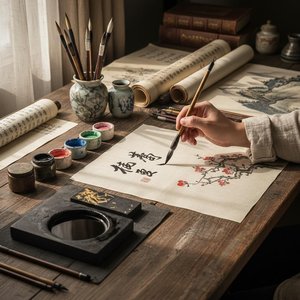
The Alchemy of Ink: Mastering the Timeless Beauty and Art History of Paper and Brush
Embark on a sophisticated exploration of ink wash painting and Sumi-e. Uncover the profound historical lineages, Zen philosophies, and technical mastery behind this timeless medium in our authoritative guide for fine art enthusiasts.

أفضل 25 لوحة لجون كونستابل: روعة الطبيعة الإنجليزية في AllPaintingsStore
اكتشف روعة الطبيعة الإنجليزية مع أفضل 25 لوحة لجون كونستابل. قصص فنية آسرة وتقنيات زيتية فريدة في AllPaintingsStore.com. اشترِ نسخًا عالية الجودة وديكور منزلي فاخر. استكشف المجموعة الكاملة الآن!


