


 معاينة الحجم الحقيقي
 مشاركة
 مشاركة
 التفاصيل

 تحميل الملف
 قطع مشابهة
 الأشعة السينية
 عرض شرائح
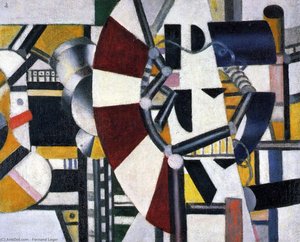
Still Life
 1939
1939 38.0 x 47.0 cm
 عرض المزيد
نسخة زيتية مصنوعة يدوياً
لوحة زيتية مرسومة يدوياً على الكانفاس بالمقاس والإطار الذي تفضله، تُنفذ حسب الطلب على أيدي فنانينا. ( اشترِ نسخة مطبوعة اشترِ الصورة)




































اختر من بين أحجامنا المُعدّة مسبقًا والتي تتطابق مع النسب الأصلية للعمل الفني.

يمكنك إدخال أبعادك الخاصة لتناسب إطارًا معينًا أو مساحة محددة. وإذا لم يتطابق الحجم الذي اخترته مع نسب الصورة الأصلية، فسنقوم إما بقص العمل الفني أو توسيع اللوحة بإضافة عناصر مرسومة يدويًا. سيتم إرسال نموذج رقمي إليك للموافقة عليه قبل بدء الإنتاج.
يرجى ملاحظة أن المعاينة على الشاشة لا تعكس عملية القص أو التوسيع الفعلية؛ حيث إن النموذج الرقمي وحده هو الذي سيوضح التكوين النهائي بدقة.
وعلى الرغم من توفر أحجام مخصصة، إلا أننا نوصي باختيار أبعاد من القائمة المحددة مسبقًا للحفاظ على النسب الأصلية للعمل الفني.
بعد إتمام الطلب، سيرسل فريق AllPaintingsStore.com بريداً إلكترونياً للعميل لطلب التعليمات وتزويده بمعاينة تجريبية (mockup).
توصيل عالمي إلى خلال 3 إلى 4 أسابيع بدلاً من المدة المعتادة البالغة 5 أسابيع. (14 أغسطس). جودة لا تهاون فيها.

شحن سريع ومجاني لجميع أنحاء العالم

قماش كتان عالي الجودة

تأمين شحن شامل

ضمان استرداد الرسوم الجمركية

ضمان مطابقة الألوان الحقيقية

سياسة الإرجاع خلال 60 يومًا (في حالات العيوب فقط)

ضمان استرداد نقدي بنسبة 100%

خصم عند طلب عدة قطع
 خيار الزجاج متاح فقط للمقاسات التي تقل عن 110 سم

Still Life
خامة إعادة الإنتاج
مقاس النسخة المطبوعة
-


السعر الإجمالي النهائي
$ 258
أعمال فنية ذات صلة




السيرة الذاتية للفنان
Earl Horter: A Philadelphia Pioneer of Modern Art
Earl Horter (1880-1940) stands as a pivotal, yet often overlooked, figure in American art history. Emerging from the bustling metropolis of Philadelphia during a period of rapid transformation, he was instrumental in introducing Cubism and Abstract art to the city’s artistic landscape – a role that cemented his legacy as a true innovator. More than just an artist, Horter was a collector, a teacher, and a keen observer of urban life, capturing its essence with remarkable precision and emotional depth through his evocative etchings and prints.
Born December 8, 1880, in Philadelphia to a working-class family, Horter’s artistic journey began early. His childhood was marked by an apprenticeship as a commercial engraver, a skill that would profoundly influence his later work. He developed a deep appreciation for the meticulous detail and technical mastery of old master drawings, particularly those depicting architectural landscapes – works by Italian artists like Vittore Carpaccio and Giovanni Battista Piranesi held particular fascination. This admiration fueled his ambition to translate the dramatic perspectives and intricate compositions of these masters into his own prints, aiming to “depict this tremendous epic of new cities emerging full grown out of the chrysalis of the old.”
Early Career and Artistic Development
Horter’s artistic development was largely self-directed; he never formally attended art school. His early work focused on landscape painting, but it was his exploration of etching that truly defined his career. He studied under George Senseney, the pioneering American color etcher, who instilled in him a deep understanding of the medium's capabilities. This training, combined with his innate draftsman skills and an eye for architectural detail, allowed him to create prints of unparalleled realism and emotional resonance.
During the 1920s and 30s, Horter was incredibly prolific, producing a vast body of work encompassing etchings, aquatints, watercolors, oil paintings, lithographs, and drawings. His subjects ranged from grand cityscapes – particularly those of Philadelphia and New York – to intimate still lifes. He gained recognition for his meticulous depictions of architectural structures, capturing the dynamism of urban life with remarkable clarity. His style was often compared to that of Joseph Pennell and James Abbott Whistler, both renowned for their precision and ability to convey atmosphere through line and tone.
Horter’s career wasn't solely dedicated to artistic creation; he also worked as a commercial artist, securing commissions from advertising agencies like Calkins & Holden. This experience honed his drafting skills and provided him with valuable insights into the demands of visual communication. He was actively involved in the Philadelphia art scene, serving as a member of the New York Society of Illustrators and participating in numerous exhibitions.
Major Works and Influences
Horter’s most celebrated works are undoubtedly his etchings of cityscapes and architectural subjects. “Washington at Braddock’s Defeat,” a cancelled plate from the portfolio *The Bicentennial Pageant of George Washington*, exemplifies his ability to capture historical events with dramatic intensity, mirroring the style of Old Master drawings. His series of etchings depicting Pittsburgh smelters demonstrates his talent for portraying industrial landscapes with both technical accuracy and emotional weight.
Beyond his own artistic practice, Horter was a passionate collector of modern art, amassing an impressive collection that included works by Picasso and other leading Cubist artists. This dedication to collecting not only enriched his personal life but also played a crucial role in introducing these groundbreaking movements to the American public. He actively promoted the work of these artists through exhibitions and publications, effectively serving as a bridge between European artistic innovation and the burgeoning art scene in Philadelphia.
Legacy and Historical Significance
Earl Horter’s contribution to American art is often understated, yet profoundly significant. He was one of the first artists to successfully integrate Cubist principles into his work, paving the way for future generations of American modernists. His meticulous etchings captured a pivotal moment in Philadelphia's urban development – a transition from industrial grit to burgeoning modernity – and his dedication to collecting and promoting modern art helped shape the city’s artistic identity. Despite not achieving widespread fame during his lifetime, Horter’s legacy as a pioneering artist and collector continues to be recognized today, solidifying his place as a vital figure in the history of American art.

earl horter
1880 - 1940
حقائق سريعة
- Artistic Movement Or Style:
- Cubism
- Abstract art
- Etching
- Artists Or Movements Influenced By This Artist:
- Pennell
- Whistler
- Artists Who Influenced This Artist:
- Carpaccio
- Piranesi
- Meryon
- Date Of Birth: December 8, 1880
- Date Of Death: March 29, 1940
- Full Name: Earl Horter
- Nationality: American
- Notable Artworks:
- Still Life
- Washington at Braddock's Defeat
- Place Of Birth: Philadelphia, USA



