

Acrylic On Canvas. معهد ديترويت للفنون.

§ 1بيانات الكتالوج


§ 2تجريدي
وصف القطعة المقتناة
 عرض المزيد
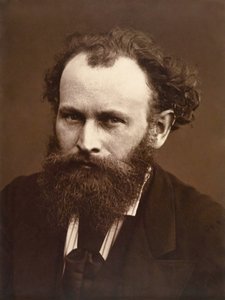
السيرة الذاتية للفنان
اكتشف إدوارد مانيه (1832-1883)، رائد الواقعية والانطباعية. استكشف أعماله الشهيرة مثل 'غداء على العشب' و'أوليمبيا'، وتأثيره الدائم على الفن الحديث.
§ 3تعليق
Au Prado: A Snapshot of Parisian Life Captured in Etching
Édouard Manet’s “Au Prado,” completed around 1863 and reworked circa 1867, stands as a deceptively simple yet profoundly significant etching that encapsulates the spirit of Impressionism's nascent stages. More than just a depiction of a Parisian street scene—a commonplace subject for artists of the time—it’s a carefully constructed tableau designed to provoke contemplation about modernity and artistic innovation.
The image portrays a group of figures gathered in front of the Prado Museum, capturing a moment of leisure amidst the bustle of urban life. Manet eschewed academic conventions, prioritizing observation over idealized representation. He meticulously rendered the textures of clothing—the voluminous skirts of women—and the subtle interplay of light and shadow on surfaces, mirroring techniques honed by masters like Caravaggio and Velázquez.
- Style: Impressionistic – Manet deliberately avoided smooth blending, opting for visible brushstrokes that convey immediacy and spontaneity.
- Technique: Etching and Aquatint – This printing process allowed for nuanced tonal gradations and intricate detail, crucial to capturing the atmospheric qualities of the scene. The aquatint layer contributes to a velvety surface texture.
- Historical Context: Created during a period of artistic ferment in Paris, “Au Prado” reflects the growing interest in portraying everyday life with honesty and realism—a reaction against Romantic idealism.
A woman dominates the composition, holding an umbrella aloft as if shielding herself from impending rain. This gesture isn’t merely functional; it symbolizes vulnerability and perhaps a hint of melancholy – emotions Manet skillfully conveyed through subtle facial expressions and posture. The inclusion of two dogs adds to the scene's realism and contributes to its overall mood.
As evidenced by extensive research (links provided), “Au Prado” has garnered considerable attention from art historians and collectors alike. Its enduring appeal lies in Manet’s masterful execution and his willingness to challenge established artistic norms, cementing its place as a cornerstone of Impressionist art history. Reproductions offer an opportunity to appreciate this iconic artwork's beauty and complexity within the comfort of your own home.
- Symbolism: The umbrella can be interpreted as representing protection from adversity or perhaps a longing for refuge amidst the pressures of urban existence.
- Emotional Impact: Manet’s etching evokes feelings of quiet contemplation and captures the essence of Parisian life during a transformative era.
الأسئلة والأجوبة
ما هي إعدادات الطباعة المقترحة لـ "Au Prado" للفنان إدوارد مانايه؟
بالنسبة لـ "Au Prado"، يُنصح بالطباعة بحجم Large وبوضعية Portrait.
هل يُعد "Au Prado" أحد أكثر أعمال إدوارد مانايه رواجاً؟
يتمتع "Au Prado" للفنان إدوارد مانايه بمستوى شعبية Iconic، ويعكس هذا التصنيف مدى انتشار شهرة هذا العمل الفني.
ما هي الأسماء المستعارة أو الأسماء الأخرى التي يُعرف بها إدوارد مانايه؟
يُعرف إدوارد مانايه أيضاً باسم إدوار مانيه, أدوارد ماني.


 التبديل إلى نسخة مطبوعة


 بالنسبة للأعمال الفنية أو النسخ المطبوعة التي يتجاوز طول أي من أضلاعها 105 سم (حوالي 41 بوصة)، سيتم شحن الإطار كمجموعة مفككة؛ حيث تضمن هذه الطريقة سلامة التوصيل وتمنع حدوث أي أضرار أثناء النقل.


