

1862. ألوان أكريليك على كانفاس. المعرض الوطني للفنون.

§ 1بيانات الكتالوج


§ 2تجريدي
 عرض المزيد
السيرة الذاتية للفنان
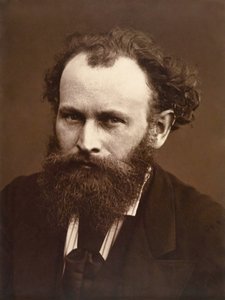
اكتشف إدوارد مانيه (1832-1883)، رائد الواقعية والانطباعية. استكشف أعماله الشهيرة مثل 'غداء على العشب' و'أوليمبيا'، وتأثيره الدائم على الفن الحديث.
§ 3تعليق
Oysters by Edouard Manet – A Study in Simplicity and Observation
The painting “Oysters,” created in 1862 by Édouard Manet, stands as an unassuming yet profoundly significant exemplar of Realism within the burgeoning artistic landscape of mid-Victorian Paris. Currently residing at the National Gallery of Art in Washington D.C., this deceptively simple composition transcends its subject matter—a plate of oysters arranged on a table alongside lemons and a bowl—to deliver a masterful distillation of observation and artistic intention. Manet’s deliberate choice to depict commonplace objects, rather than grand historical narratives or mythological scenes favored by his contemporaries, reflects the broader movement toward capturing the realities of everyday life with unflinching honesty.Composition and Technique – Mastering Light and Shadow
Manet's compositional strategy prioritizes clarity and balance. The oysters are positioned centrally on the table, their glistening surfaces illuminated by diffused natural light—a technique characteristic of Impressionism but subtly employed here to heighten realism. Careful attention is paid to shading, creating depth and texture that convincingly mimics the appearance of polished shells and citrus fruits. Manet eschewed academic conventions favoring a looser brushstroke style, prioritizing directness and spontaneity in his rendering process. This approach aligns with Courbet’s influence, demonstrating Manet's commitment to portraying subjects as they appear without embellishment or idealized representation.Symbolism Beyond the Surface – Exploring Everyday Life
Beyond its visual appeal, “Oysters” carries symbolic weight. Oysters have historically represented fertility and abundance—references to both were prevalent in Victorian society. The lemons contribute a vibrant splash of color against the muted tones of the table surface, symbolizing freshness and optimism. Furthermore, the fork resting beside the oysters serves as a reminder of human interaction and consumption – an element that subtly critiques societal norms while simultaneously celebrating the pleasures of simple sustenance. Manet’s work engages viewers in contemplation about the beauty inherent in ordinary moments.Historical Context – The Rise of Realism
“Oysters” emerged during a pivotal period in art history, marking a decisive break from Romantic idealism and establishing Realism as a dominant aesthetic force. Artists like Gustave Courbet championed this movement, rejecting theatrical grandeur for truthful depictions of the natural world and human experience. Manet’s refusal to adhere to academic standards—particularly concerning idealized forms—challenged established artistic hierarchies and paved the way for subsequent innovations in Impressionism and Post-Impressionism. The painting's placement within the broader context of Victorian society underscores its significance as a reflection of cultural values and aspirations.Legacy and Enduring Appeal – A Masterpiece Revisited
Despite its understated appearance, “Oysters” continues to captivate audiences with its elegance and precision. Its enduring popularity speaks to Manet’s ability to elevate the mundane into art—a testament to his artistic vision and technical prowess. Reproductions of this iconic artwork offer collectors and interior designers alike a chance to experience the beauty of Realism and appreciate Manet's profound understanding of light, texture, and human observation.الأسئلة والأجوبة
ما هو حجم الطباعة الموصى به لـ "محار" للفنان إدوارد مانايه؟
يُقترح طباعة نسخة بحجم كبير لعمل "محار" للفنان إدوارد مانايه، مع إمكانية تعديل الحجم مع الحفاظ على التناسب.
كيف يتجلى تلاقي الحركة والعصر في "محار" للفنان إدوارد مانايه؟
تندرج لوحة "محار" للفنان إدوارد مانايه ضمن حركة الانطباعية، وذلك في حقبة القرن التاسع عشر لمبدعها.
أين يمكنني العثور على إحصائيات حول "محار" للفنان إدوارد مانايه؟
تتوفر الإحصائيات الخاصة بـ "محار" للفنان إدوارد مانايه في صفحة إحصائيات الزيارات للعمل الفني، وهي تشمل: عدد الزيارات الشهرية للعمل، وزيارات أعمال الفنان، وتوزيع الزوار الأخيرين حسب الدولة واللغة.


 التبديل إلى نسخة مطبوعة


 بالنسبة للأعمال الفنية أو النسخ المطبوعة التي يتجاوز طول أي من أضلاعها 105 سم (حوالي 41 بوصة)، سيتم شحن الإطار كمجموعة مفككة؛ حيث تضمن هذه الطريقة سلامة التوصيل وتمنع حدوث أي أضرار أثناء النقل.


