معاينة الحجم الواقعي
 إرسال
إرسال مشاركة
 عرض التفاصيل
 دليل الأعمال الفنية للطلاب

 تحميل
تحميل
 قطع مشابهة
 الأشعة السينية
 عرض شرائح متتابع
 Q&A
Q&A الإحصائيات
Self-Portrait


 اقرأ المزيد
طباعة جيلي / مطبوعات فنية
طباعة جيكلي أو كانفاس بجودة المتاحف، مع سرعة في التنفيذ وخيارات متنوعة للتشطيب. ( اطلب نسخة مرسومة يدويًا التحويل إلى الصورة الرقمية)




P118B E£10

P118H E£10

P118W E£10

P438Z E£10

P508JH E£12

P508YH E£12

P805H E£10

P805Z E£10

P919BZ E£10

P919G E£10

P919XJ E£10

P959ZH E£10

P968JZ E£12

W106C E£8

W218G E£10

W218JH E£8

W218Y E£10

W307PJ E£10

W316G E£10

W316PJ E£8

W316Y E£10

W398PJ E£8

W4111J E£10

W500HY E£15

W500JH E£15

W692G E£12

W849H E£8

W940BG E£15

W953PJ E£8




اختر من بين أحجامنا المُعدّة مسبقاً والتي تتوافق مع النسب الأصلية للعمل الفني.

أدخل العرض والارتفاع اللذين تحتاجهما، ليتناسب مع إطارك أو جدارك. يمكن قص المطبوعة فقط، ولا يمكن أبداً جعلها أكبر من الصورة الأصلية، لذا فإن أي مقاس بشكل مختلف سيؤدي إلى فقدان جزء من الصورة. سنرسل لك نموذجاً رقمياً تجريبياً لاعتماده قبل البدء في عملية الطباعة. الصورة المعروضة في هذه الصفحة لا توضح القص الفعلي — النموذج التجريبي فقط هو ما يظهر ذلك.
توصيل عالمي إلى خلال أسبوعين بدلاً من المدة القياسية البالغة 4/5 أسابيع. (31 أكتوبر)

شحن سريع ومجاني لجميع أنحاء العالم

قماش كتان فاخر

تأمين شامل على الشحن

ضمان استرداد الرسوم الجمركية

ضمان دقة مطابقة الألوان

سياسة الإرجاع خلال 100 يوم (في حالات العيوب فقط)

ضمان استرداد نقدي بنسبة 100%

عرض خصم الكميات
 خيار الزجاج متاح فقط للمقاسات التي تقل عن 110 سم

Self-Portrait
طباعة جيلي / مطبوعات فنية
مقاس النسخة المطبوعة
-


إجمالي السعر
E£ 3346
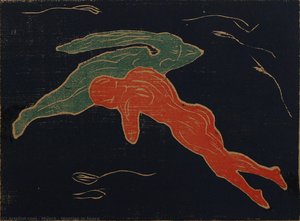
A Window into Inner Turmoil: Examining Edvard Munch’s Self-Portrait (1915)
The monochrome canvas of Edvard Munch's “Self-Portrait” transcends mere representation; it embodies a profound exploration of psychological vulnerability and the pervasive anxieties that characterized the dawn of the 20th century. Painted in 1915, during a period marked by personal upheaval and artistic experimentation—a time when Munch wrestled with his own mental health struggles—this deceptively simple image speaks volumes about the artist’s inner landscape and offers a compelling glimpse into Expressionist aesthetics.- Subject Matter & Composition: Munch presents himself in profile, bathed in an unsettlingly pale light that casts deep shadows across his face. The gaze is averted downwards, conveying a palpable sense of melancholy and introspection. This deliberate framing emphasizes the isolation of the figure against a backdrop of muted tones—a technique characteristic of Munch’s broader artistic vision.
- Style & Technique: “Self-Portrait” exemplifies Munch's signature Expressionist style, prioritizing emotional intensity over realistic depiction. He employs loose brushstrokes and textured surfaces to convey feeling rather than precise detail. The pigment is applied thinly, allowing the canvas’s texture to peek through—a deliberate choice that underscores the artwork’s materiality and contributes to its haunting atmosphere.
- Interior Designer Considerations: When incorporating this artwork into an interior space, consider its monochromatic palette as a counterbalance to brighter hues—creating a mood of quiet reflection and understated elegance.
- Collector Appeal: “Self-Portrait” holds considerable appeal for collectors interested in pioneering Expressionist art. Its emotive power and masterful technique solidify Munch’s place among the most influential artists of his generation, ensuring its continued relevance within the realm of fine art history.
الأسئلة والأجوبة
كيف يمكن وصف الحالة المزاجية لـ "Self-Portrait" للفنان إدفارد مونش؟
تتمتع لوحة "Self-Portrait" بأجواء Dramatic.
كيف يتناسب عمل "Self-Portrait" مع موضوعات إدفارد مونش وأسلوبه الفني؟
ضمن نتاج إدفارد مونش الفني، تندرج لوحة "Self-Portrait" ضمن أسلوب Expressionist Painting، إلى جانب موضوعات symbolic angst, psychological realism, personal trauma, existential questioning, artistic legacy.
هل "Self-Portrait" للفنان إدفارد مونش لوحة زيتية، أم رسم، أم مطبوعة؟
" Self-Portrait " هي قطعة من نوع WallArt.
أعمال فنية مشابهة


نبذة عن الفنان
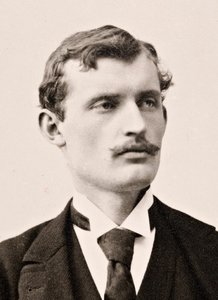
إدفارد مونش: رسام الروح والمعاناة
في قلب النرويج، حيث تتلاقى المناظر الطبيعية الخلابة مع صقيع الشتاء القارس، وُلد إدفارد مونش عام 1863، ليصبح أحد أبرز فناني القرن العشرين. لم يكن مونش مجرد رسام؛ بل كان شاعرًا بصريًا، عبّر عن أعماق النفس البشرية بجرأة وشاعرية فريدة. حياته، التي طبعتها الفواجع والآلام، كانت بمثابة الوقود الذي أشعل شرارة إبداعه، وحوّلها إلى نافذة تطل على عالم من القلق الوجودي والمعاناة الإنسانية.
نشأ مونش في كنف عائلة تعيش ظروفًا قاسية. فقدت والدته وشقيقته بسبب مرض السل المدمر، مما ترك ندوبًا عميقة في نفسه الصغيرة. هذه التجارب المبكرة لم تكن مجرد أحداث عابرة؛ بل أصبحت جزءًا لا يتجزأ من رؤيته الفنية، وألهبته لاستكشاف أعماق الخوف والحزن والوحدة. كما ساهمت معتقدات والده الدينية الصارمة وصراعاته النفسية في تعزيز الشعور بالرهبة الذي سيطر على عالم مونش، وشكل ليس فقط حياته الشخصية بل أيضًا اللغة الرمزية لأعماله الفنية.
من التلمذة إلى الانطلاق: رحلة فنان نحو الذات
بدأ مونش طريقه الفني بتلقي التعليم في المعهد الملكي للفنون والتصميم في كريستيانا (أوسلو)، لكن نقطة التحول الحقيقية كانت لقاؤه بالفيلسوف النيليستي هانس ييغر. شجعه ييغر على التخلي عن الأساليب الأكاديمية التقليدية، والانطلاق نحو استكشاف ذاته الداخلية وعواطفه العميقة. هذا التحول الجذري أدى إلى ظهور أسلوبه المميز – أسلوب يتسم بالعاطفة الخام والأشكال المشوهة والرفض المطلق للتمثيل الطبيعي.
رحلاته إلى باريس في التسعينيات من القرن التاسع عشر عرّضته للحركة التعبيرية الصاعدة، حيث استمد الإلهام من فنانين مثل بول غوغان وفنسنت فان جوخ وهنري دو تولوز لوتريك. تبنى مونش استخدام الألوان الجريئة والضربات الفرشاة المعبرة، لكنه لم يكتفِ بمجرد تقليدهم؛ بل صهر هذه التأثيرات في أسلوبه الخاص، ليخلق لغة بصرية قادرة على التعبير عن أكثر المشاعر الإنسانية عمقًا وإيلامًا. كما كانت لقاءاته مع المسرحي أغسطس سترندبيرغ حاسمة، حيث أثرت استكشافاته النفسية في أعماله الفنية.
"الصراخ": رمز القلق الوجودي
الصراخ (The Scream)، ربما أشهر لوحات مونش وأكثرها تأثيرًا، تتجاوز كونها مجرد عمل فني لتصبح رمزًا عالميًا للقلق الوجودي. يجسد المشهد المتأرجح والألوان النارية والوجه المشوه في اللوحة صرخة أبدية ضد لامبالاة الكون. لم يكن مونش يرسم ما يراه بالعين المجردة؛ بل كان يسعى إلى تجسيد ما يشعر به في أعماق روحه، وتحويل الألم النفسي إلى شكل مرئي ملموس.
إلى جانب الصراخ، تبرز أعمال أخرى مثل المدامنة (Madonna)، التي تستكشف موضوعات الجنس والأمومة والموت بجرأة وصراحة غير مسبوقة. كما أن سلسلة الطفل المريض، المستوحاة من فقدان شقيقته صوفي، تقدم تذكيرًا مؤثرًا بالخسارة والضعف الإنساني. أما لوحات الكآبة الأولى والثانية، فتصور ببراعة عميقة الحزن والعزلة، وتكشف عن هشاشة الروح البشرية.
إرث فنان: تأثير مونش على الفن الحديث
لا يمكن إنكار مساهمة إدفارد مونش في الفن الحديث. فهو يعتبر شخصية محورية في تطور التعبيرية، ومهد الطريق أمام جيل من الفنانين الذين أولوا الأولوية للعاطفة الذاتية على التمثيل الموضوعي. استمرت أعماله في إلهام وإثارة الجدل لدى الجمهور على مر الأجيال، مما رسخ مكانته كواحد من أكثر الشخصيات تأثيرًا وديمومة في تاريخ الفن. لم يكن مونش يهدف إلى خلق صور جميلة فحسب؛ بل سعى إلى الكشف عن الحقيقة – حتى لو كانت مؤلمة ومزعجة.
على الرغم من الشهرة والتقدير الذي حققه، ظلت حياة مونش مليئة بالصراعات النفسية والعزلة. لكنه استمر في الإبداع، تاركًا وراءه إرثًا فنيًا غنيًا يستمر في تحدي وإلهام المشاهدين حول العالم. إن إرث مونش لا يقتصر على لوحاته فحسب؛ بل يتعلق بالشجاعة التي أظهرها في مواجهة تعقيدات الوجود الإنساني، وتحويل هذه التجارب إلى فن يتحدث إلى أعماقنا.
إدفارد مونش
1863 - 1944 , السويد
لمحة سريعة
- الأعمال البارزة:
- الصرخة
- العذراء
- الطفل المريض
- الكآبة الأولى والثانية
- الاسم الكامل: إدفارد مونش
- الجنسية: نرويجي
- الحركات الفنية المتأثرة: ['التعبيرية الألمانية']
- الحركة الفنية: التعبيرية
- الفنانون المؤثرون:
- بول غوغان
- فنسنت فان جوخ
- هنري دو تولوز-لوترك
- تاريخ الميلاد: 12 ديسمبر 1863
- مكان الميلاد: أديزبruk، السويد
مقالات ذات صلة

Timeless Contrast: A Professional Guide to Black and White Photography for Large-Scale Hotel Decor
A professional guide for hotel designers on utilizing black and white photography for large-scale decor. Learn to master scale, texture, and monochrome contrast to create impactful, high-end hospitality environments through efficient, bulk art procurement solutions.

The Lens of Truth: A Cultural History of the Evolution of Documentary Photography
Explore the profound evolution of documentary photography through an art-historical lens. Discover how legendary photographers captured truth, urban life, and human resilience, shaping our cultural understanding of history and the enduring power of the visual narrative.