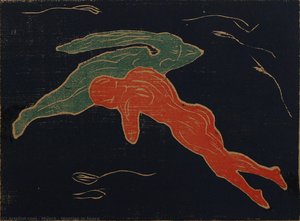
معاينة الحجم الواقعي
 مشاركة
 مشاركة
 التفاصيل
 دليل
دليل

 تحميل الملف
 قطع مشابهة
 الأشعة السينية
 عرض شرائح
 الأسئلة والأجوبة
 الإحصائيات
The killer


 عرض المزيد
طباعة جيلي / مطبوعات فنية
طباعة جيكلي أو كانفاس بجودة المتاحف، مع سرعة في التنفيذ وخيارات متنوعة للتشطيب. ( شراء لوحة مرسومة يدويًا الانتقال إلى الصورة الرقمية)




P118B E£10

P118H E£10

P118W E£10

P438Z E£10

P508JH E£12

P508YH E£12

P805H E£10

P805Z E£10

P919BZ E£10

P919G E£10

P919XJ E£10

P959ZH E£10

P968JZ E£12

W106C E£8

W218G E£10

W218JH E£8

W218Y E£10

W307PJ E£10

W316G E£10

W316PJ E£8

W316Y E£10

W398PJ E£8

W4111J E£10

W500HY E£15

W500JH E£15

W692G E£12

W849H E£8

W940BG E£15

W953PJ E£8




اختر من بين أحجامنا المُعدّة مسبقاً والتي تتوافق مع النسب الأصلية للعمل الفني.

أدخل العرض والارتفاع المطلوبين ليتناسب المقاس مع إطارك أو جدارك. يرجى الملاحظة أن المطبوعة يمكن قصها فقط ولا يمكن تكبيرها لتتجاوز أبعاد الصورة الأصلية، لذا فإن اختيار مقاس بأبعاد مختلفة سيؤدي إلى فقدان جزء من الصورة. سنرسل لك نموذجاً رقمياً تجريبياً لاعتماده قبل البدء في عملية الطباعة. الصورة المعروضة في هذه الصفحة لا توضح شكل القص الفعلي — النموذج التجريبي فقط هو ما يظهر ذلك بدقة.
توصيل عالمي إلى خلال أسبوعين بدلاً من المدة القياسية البالغة 4/5 أسابيع. (12 نوفمبر)

شحن سريع ومجاني لجميع أنحاء العالم

قماش كتان عالي الجودة

تأمين شامل على الشحن

ضمان استرداد الرسوم الجمركية

ضمان مطابقة الألوان الحقيقية

سياسة الإرجاع خلال 100 يوم (في حالات العيوب فقط)

ضمان استرداد نقدي بنسبة 100%

خصم عند طلب كميات
 خيار الزجاج متاح فقط للمقاسات التي تقل عن 110 سم

The killer
طباعة جيلي / مطبوعات فنية
مقاس النسخة المطبوعة
-


إجمالي السعر النهائي
E£ 3432
The Killer
Edvard Munch, a Norwegian artist renowned for his contributions to Expressionism, created "The Killer" in 1906. This painting is a testament to Munch’s ability to evoke powerful emotions and introspection through his art. It stands as a cornerstone of Expressionist aesthetics, capturing the anxieties and psychological complexities characteristic of the era.Expressionist Elements
“The Killer” exemplifies the Expressionist style, characterized by exaggerated forms and vibrant colors that convey intense emotional experiences. The woman in the painting sits on a bed, her back turned to the viewer, creating an air of mystery and contemplation. This deliberate positioning disrupts conventional portraiture, prioritizing psychological impact over realistic representation. The dining table with fruit and birds adds a sense of tranquility, contrasting sharply with the title's ominous tone—a juxtaposition that underscores Munch’s exploration of duality within human experience. These elements are rendered in bold hues – reds, yellows, and blues – reflecting the turbulent inner landscape of the artist.Symbolism and Interpretation
The painting can be interpreted as a profound reflection of Munch’s own emotional turmoil following the tragic loss of his sister Sophie. The woman's turned back symbolizes isolation or introspection, mirroring Munch’s preoccupation with grief and vulnerability. The fruit represents life and vitality—a poignant counterpoint to mortality—while the birds could signify freedom or, perhaps more subtly, the observer’s perspective on this internal struggle. This complex interplay of symbols invites viewers to ponder the deeper meaning behind “The Killer,” prompting contemplation about themes of loss, fear, and existential questioning. Munch himself described his inspiration as stemming from a vivid vision during a sunset walk—a moment of overwhelming terror that he sought to translate onto canvas.Artistic Influences
Munch was significantly influenced by various art movements, including Fauvism, which is evident in his use of bold colors and expressive brushstrokes. Artists like Henri Matisse championed this stylistic approach, prioritizing emotional resonance over accurate depiction. His work also reflects the influence of Die Brücke, a group of German Expressionist artists who sought to break away from traditional representational art and forge their own path toward artistic innovation. They rejected academic conventions in favor of raw emotion and distorted forms—a spirit that aligns perfectly with Munch’s artistic vision.Relevance in Modern Art
“The Killer” remains significant in modern art for its emotional depth and symbolic richness. It continues to inspire contemporary artists and captivate audiences with its enigmatic presence, serving as a reminder of the enduring power of art to communicate profound psychological truths. Its influence can be seen in works exploring themes of trauma, anxiety, and vulnerability—demonstrating Munch’s lasting legacy as a pioneer of Expressionism.- Edvard Munch's "The Killer" is a prime example of Expressionist art.
- The painting’s symbolism invites multiple interpretations, making it a subject of ongoing artistic discussion.
- Munch's influence can be seen in the works of other notable artists, such as Hermann Max Pechstein and Egon Schiele.
For those interested in exploring more works by Edvard Munch and other Expressionist artists, visit Edvard Munch: The Killer on AllPaintingsStore. Additionally, learn about the artistic movements that influenced Munch's work at Die Brücke.
الأسئلة والأجوبة
هل يمكنني استخدام تقنية الواقع المعزز لرؤية "The killer" للفنان إدفارد مونش في غرفتي؟
يمكنك معاينة "The killer" للفنان إدفارد مونش على جدارك الخاص عبر صفحة معاينة بتقنية الواقع المعزز الخاصة بالعمل الفني، وذلك باستخدام تقنية الواقع المعزز على جهاز متوافق.
ما هي النبرة العاطفية التي تعكسها مدرسة Expressionism في عمل "The killer"؟
تجسد لوحة "The killer" نبرة عاطفية Melancholic تنتمي إلى حركة Expressionism.
هل ألوان "The killer" زاهية أم خافتة؟
تتميز ألوان "The killer" للفنان إدفارد مونش بتشبع بمستوى Balanced Soft مع حدة تبلغ Balanced.
أعمال فنية ذات صلة


السيرة الذاتية للفنان
حياة وهوية إدفارد مونش
كان إدفارد مونش رساماً نرويجياً ارتبطت حياته ارتباطاً وثيقاً بالمناظر الطبيعية والأجواء المثقلة بالرهبة في وطنه. وُلد في 12 ديسمبر 1863، وقضى معظم حياته في سبر أغوار تعقيدات النفس البشرية من خلال ريشته وأدوات الطباعة الفنية. كانت أعماله تبدو وكأنها امتداد مباشر لصراعاته الداخلية، حيث حوّل المشاعر الخاصة إلى شيء مرئي ومشترك، وظل حضوراً فاعلاً في عالم الفن حتى وفاته في 23 يناير 1944.
وصلت قدرته على تجسيد اضطرابات الوجود الإنساني إلى ذروتها في عام 1893 مع ابتكار لوحة الصراخ. لقد أصبح هذا العمل تحديداً أحد أكثر الصور شهرة في الفن الغربي، حيث حظي باعتراف عالمي لتصويره للقلق الوجودي. وبينما سعى العديد من الفنانين إلى محاكاة العالم المادي، كان إدفارد مونش مهتماً بالأشياء التي لا يمكن رؤيتها، مثل القلق وثقل الوحدة؛ فاستخدم اللون والشكل ليمنح جسداً للقوى غير المرئية التي تعصف بالروح البشرية.
وعلى مدار مسيرته الطويلة، أنتج إدفارد مونش مجموعة هائلة من الأعمال التي شملت وسائط فنية متعددة، ومن أبرز نتاجه الفني:
- الصراخ
- المدامنة
- الطفل المريض
- رقصة الحياة
البدايات، العائلة والتدريب الفني
وُلد إدفارد مونش في عام 1863 وسط المناظر الطبيعية القاسية في النرويج. تشكلت طفولته في كنف منزل كان المرض فيه رفيقاً دائماً؛ ففي عام 1868، رحلت والدته بسبب مرض السل، وهو الفقد الذي ترك أثراً غائراً في نفس الصبي الصغير. وتعمقت مشاعر الهشاشة هذه في عام 1877 عندما استسلمت شقيقته، يوهان صوفي، للمرض ذاته وهي في الخامسة عشرة من عمرها. هذه الخسارات المبكرة جعلت من ظلال الموت جزءاً منسوجاً في تفاصيل حياته اليومية.
كان والده، كريستيان مونش، يعمل طبيباً وضابطاً طبياً. كان كريستيان رجلاً يتسم بتدين شديد، لكنه كان يصارع أيضاً طباعاً عصبية وانشغالاً مفرطاً بالدين، مما جعل أجواء المنزل مثقلة دائماً بشعور من الرهبة. ونشأ إدفارد في هذا المناخ، فكان يلجأ إلى الرسم ليقضي وقته خلال فصول الشتاء الطويلة عندما كان المرض يمنعه من الذهاب إلى المدرسة. هذه التجارب المبكرة مع الحزن والخوف ستجد طريقها في نهاية المطاف لتستقر على لوحاته.
أما عن تعليمه الرسمي، فقد التحق بالمعهد الملكي للفنون والتصميم في كريستيانا. وهناك، بدأ في تطوير المهارات التقنية التي ستدعم استكشافاته اللاحقة للنفس البشرية، حيث شكل تدريمه الأساس لمسيرة فنية قضى معظمها في ترجمة الاضطراب الداخلي إلى أشكال بصرية ملموسة.
الأوساط البوهيمية في كريستيانا
في أزقة كريستيانا، الاسم القديم لأوسلو، وجد إدفارد مونش مجتمعاً يتحدى كل ما تلقاه من تعليم. لقد انخرط في الأوساط البوهيمية التي كانت تضج بالحياة في المدينة، وهي مجموعة من الأشخاص الذين اختاروا العيش خارج قيود القواعد الصارمة التي فرضها ذلك العصر. وكان من بين هؤلاء الرسام الطبيعي كريستيان كروغ، الذي كان جزءاً من هذه الدائرة التقدمية. لم تكن هذه التجمعات مجرد لقاءات اجتماعية عابرة، بل كانت مساحات حيوية تُناقش فيها طرق جديدة لرؤية العالم وتُعاش بكل تفاصيلها.
ومن خلال تأثير الفيلسوف العدمي هانس ييغر، بدأ مسار إدفارد مونش في التحول بشكل جذري. فقد حثه ييغر على الابتعاد عن التقاليد الأكاديمية المهذبة التي كانت سائدة آنذاك، وشجع الفنان على الغوص في أعماقه ورسم حالته العاطفية والنفسية الخاصة. كانت هذه فكرة ثورية بكل المقاييس؛ فبدلاً من محاولة تجسيد العالم كما يراه الآخرون، بدأ إدفارد مونش يستخدم لوحاته ليعبر عن العواصف الداخلية التي تعصف بعقله.
الرحلات والمؤثرات في باريس وبرلين
لقد أتاحت التنقلات عبر مراكز الفن الأوروبية لـ إدفارد مونش أن يرى دوافعه الفنية تنعكس في أعمال الآخرين. ففي باريس، التقى بتقنيات فنانين عظام مثل بول غوغان و فنسنت فان جوخ، حيث تعلم منهم الكثير، ممتصاً كيفية استخدامهم للون والشكل للتجاوز والسمو فوق مجرد التمثيل البصري البسيط. كما جعلته إقامته في تلك المدينة على اتصال بـ هنري دي تولوز لوتريك، وساهمت هذه اللقاءات في صقل رؤيته الفنية التي منحت الأولوية للعالم الداخلي على حساب المظاهر الخارجية.
أما فترته في برلين، فقد نقلت تركيزه نحو الطبقات الأكثر عمقاً وإثارة للقلق في العقل البشري. وهناك، التقى بالدروما (المسرحي) السويدي أغسطس سترندبيرغ، وكانت هذه الروابط مع شخصيات مثل سترندبيرغ بمثابة قوة دافعة لاستكشافاته في الثيمات النفسية. ومن هنا، بدأ إدفارد مونش في استخدام فنه لاستكشاف ارتجافات الوجود الإنساني، مبتعداً عن التصوير الطبيعي الواقعي نحو أسلوب قادر على تجسيد الثقل الجاثم للخوف والقلق.
التقنية وأسلوب "رسم الروح"
لم يكن هدف إدفارد مونش مجرد محاكاة العالم المادي كما تراه العين المجردة، بل كان يسعى بكل جوارحه إلى تجسيد حالته الداخلية وإخراجها إلى العلن، وهو الأسلوب الذي أطلق عليه "رسم الروح". لقد طوع الأشكال المشوهة والخطوط الإيقاعية ليعبر عن تلك الرعشات والاضطرابات التي تعتري الوجود الإنساني، محولاً الضيق النفسي إلى شكل مرئي وملموس. وكثيراً ما كانت ضربات فرشاته تعكس الاضطراب الذي يسكن عقله، مستخدماً اللون والشكل لترجمة ما يشعر به في أعماق وجدانه، بدلاً من مجرد نقل ما يراه أمام عينيه.
هذا التركيز العميق على العوالم الداخلية دفعه إلى التجريب الواسع عبر وسائط فنية متنوعة؛ فقد كان فنان طباعة نشطاً للغاية، حيث عمل على تقنيات الليثوغراف، والحفر على الخشب، والحفر الغائر لتوسيع نطاق تأثيره الفني. وتنوعت قدراته التقنية لتشمل عمليات الحفر الغائر مثل "الأكواتنت" والـ "درايبوينت" والنقش على النحاس، وهي أساليب أتاحت له بناء طبقات من الملامس والخطوط التي تحاكي تعقيدات العاطفة البشرية وتجاعيدها.
- الصراخ (1893)
- المدامنة (1894)
- الطفل المريض (حوالي 1926)
إفريز الحياة وأبرز الأعمال الفنية
سعى إدفارد مونش من خلال سلسلة من الأعمال التي أطلق عليها اسم "إفريز الحياة" إلى تجسيد الدورات المتكررة للوجود الإنساني، حيث ركزت هذه المجموعة على موضوعات ثقيلة لا يمكن الفكاك منها، مثل الحب، والخوف، والموت، والقلق. لم يكن هدفه مجرد تقديم تصوير بسيط للحياة، بل كان يسعى لاستكشاف العواصف الداخلية التي تشكل جوهرها؛ فكثيرًا ما كانت لوحاته بمثابة وسيلة لمعالجة مشاعر الفقد والاضطرابات النفسية التي رافقته منذ صباه.
وقد انبثقت العديد من أكثر صوره شهرة من رحم هذه الصراعات الشخصية؛ فقد استلهم فكرة لوحة الصراخ أثناء وجوده في كريستيانا، مستخدمًا مناظر طبيعية ملتهبة ومتلاطمة لتمثيل شعور بالرعب الوجودي. وفي أعمال أخرى، وجه نظره نحو تعقيدات الروابط الإنسانية وهشاشة الحياة؛ فبينما تستكشف لوحة المدامنة نقطة التقاء الغريزة بالفناء، تظل لوحة الطفل المريض تذكيرًا مؤثرًا بفقدان شقيقته صوفي. إن هذه القطع الفنية تعكس جوهر رجل يحاول فهم الظلال التي طاردته طوال حياته.
- الصراخ (1893)
- المدامنة (1894)
- الطفل المريض (حوالي 1926)
- البلوغ (1894–95)
السنوات الأخيرة والرحيل
اتسمت السنوات الأخيرة من حياة إدفارد مونش بتحول جذري في عاداته الشخصية وبيئته الإبداعية؛ فبعد تعرضه لانهيار عصبي في عام 1908، اتخذ قراراً حاسماً بالإقلاع عن شرب الكحول بكثرة. هذا التحول نحو الانضباط قاده بعيداً عن الصخب والاضطراب الذي ميز الأوساط الاجتماعية في شبابه، ليقضي ما تبقى من عمره في عمل يتسم بالسكينة والخصوصية، حيث وجد في العزلة مساحة هادئة لمواصلة ممارسته الفنية وتأملاته العميقة.
استمر عطاؤه الفني متدفقاً وثابتاً حتى اللحظات الأخيرة من حياته، فبحلول وفاته في عام 1944، كان قد أتمّ صياغة مجموعة ضخمة تضم 1006 لوحة فنية. وبينما كان العالم من حوله يرزح تحت وطأة الاضطرابات العنيفة التي خلفتها الحرب العالمية الثانية، نجت معظم أعماله من ويلات ذلك الصراع، مما ضمن بقاء لغته البصرية حية، لتكون متاحة للأجيال القادمة للدراسة والتأمل والاستحضار العاطفي.
الإرث الخالد والتأثير الممتد
إن قدرة إدفارد مونش على مواجهة الجوانب الأكثر قتامة في الحالة الإنسانية قد مهدت الطريق لظهور التعبيرية الألمانية. لقد كان رائدًا في الحركة التعبيرية، حيث ابتعد عن القواعد المهذبة للفن الأكاديمي ليجد وسيلة تجسد العواصف الداخلية للعقل البشري. ومن خلال ترجمة الاضطراب النفسي إلى شكل مرئي، غيّر الطريقة التي يتعامل بها الفنانون مع اللوحة؛ فأصبح عمله حجر الزاوية في حركة الحداثة، محولاً التركيز من ما تراه العين إلى ما تتحمله الروح من آلام.
يتجلى حضور إدفارد مونش بعمق في تاريخ الفن النرويجي، حيث ساهم في صياغة هوية وطنية من خلال استكشافه للتجارب الإنسانية العالمية. إن طريقته في استخدام الألوان والخطوط المشوهة للتعبير عن ارتجافات الوجود تركت أثراً اقتفى حِرفه العديد من الفنانين. ولم يتوقف تأثيره عند حدود النرويج، بل امتد ليشمل العالم بأسره، مؤثراً في كيفية إدراك العالم الحديث لمفاهيم القلق والعزلة.
- الصراخ (1893)
- المدامنة (1894)
- الطفل المريض (حوالي 1926)
أين يمكنك مشاهدة أعماله اليوم
لخوض تجربة حقيقية تستكشف مدى اتساع وعمق مسيرة حياته الفنية، يتعين على المرء السفر إلى أوسلو في النرويج. ويعد متحف مونش الحارس الأول لإرثه، حيث يحتضن مجموعة هائلة تغطي النطاق الكامل لإنتاجه الفني؛ إنه المكان الذي تتجلى فيه ضخامة عطائه الإبداعي، ويقدم نظرة متعمقة في الثيمات والمواضيع التي استكشفها طوال سنوات رسمه وتطبيقاته في فن الحفر والطباعة.
كما توجد قطع فنية هامة أخرى في المؤسسات الكبرى الأخرى في المدينة، حيث تضم المعرض الوطني في أوسلو نسخة عام 1893 من لوحة الصراخ، المنفذة بالألوان المائية والطباشير على الورق المقوى، وهي قطعة فريدة تمنح ملمساً وإحساساً مختلفاً تماماً عن النسخ الأخرى. بالإضافة إلى ذلك، يحتضن المتحف الوطني في النرويج نسخة من لوحة المدامنة، مما يتيح للزوار رؤية كيف تناول الفنان الموضوع ذاته من خلال رؤى وزوايا فنية متعددة.
- الصراخ (1893) - المعرض الوطني، أوسلو
- المدامنة - المتحف الوطني في النرويج
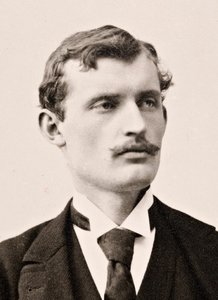
إدفارد مونش
1863 - 1944 , السويد
حقائق سريعة
- Artistic Movement Or Style:
- التعبيرية
- الرمزية
- Artists Or Movements Influenced By This Artist: ['التعبيرية الألمانية']
- Artists Who Influenced This Artist:
- بول غوغان
- فنسنت فان جوخ
- Date Of Birth: 1863
- Date Of Death: 1944
- Full Name: إدفارد مونش
- Nationality: نرويجي
- Notable Artworks:
- الصراخ
- المدامنة
- الطفل المريض
- البلوغ
- Place Of Birth: آدالزبُرك، السويد
مقالات ذات صلة

Shadows of the Psyche: The Visual Language of Human Despair in Expressionism
Explore the psychological depth of Expressionism through Munch and Weiss. Discover the visual language of human despair today.

Chromatic Defiance: Evaluating the Impact of Matisse and the Fauve Movement
Explore the radical impact of Matisse and Fauvism on modern color theory. Discover the history behind the wild beasts today.

Masterpieces of Anxiety: The Top 25 Edvard Munch Artworks
Journey through the raw emotion of Expressionism with our curated list of the top 25 Edvard Munch artworks. From 'The Scream' to his most haunting soul paintings, explore the stories behind these masterpieces and find museum-quality reproductions on AllPaintingsStore.com.

Visualizing Dread: The Expressionist Language of Psychological Tension
Explore the visual language of dread through Munch and Kirchner. Discover how Expressionism captures psychological tension.

The Subjective Lens: Examining Emotional Depth in Expressionist Art
Explore the profound emotional depth of Expressionist masters like Munch and Schiele. Discover the power of subjective art today.