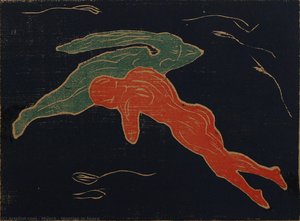
Acrylic On Canvas.

§ 1Catalogue data


§ 2Abstract
وصف المقتنيات
Experience Edvard Munch’s iconic depiction of the crucifixion, capturing raw emotion and spiritual intensity through a monumental scene of sorrow and reverence. This powerful artwork evokes themes of loss and human suffering, perfect for art lovers seeking a profound statement piece.
 اقرأ المزيد
نبذة عن الفنان
اكتشف الفنان النرويجي إدفارد مونش (1863-1944)، رائد التعبيرية! استكشف لوحته الشهيرة 'الصراخ' وغيرها من الأعمال التي تستكشف القلق، الوفاة، الحب، والمواضيع النفسية. أيقونة الفن الحديث.
§ 3Commentary
A Chronicle of Suffering: Unveiling Edvard Munch's "Untitled (9592)"
Edvard Munch’s “Untitled (9592)” stands as a profoundly unsettling meditation on human suffering and the weight of historical tragedy. This large-scale depiction of Christ’s crucifixion, meticulously rendered with a raw emotional intensity, immediately draws the viewer into the heart of a scene saturated with grief, disbelief, and nascent reverence. The painting isn't merely a representation of a biblical event; it is an embodiment of Munch’s lifelong preoccupation with mortality, illness, and the psychological impact of witnessing profound pain. Born in 1863 in Adelsbruk, Sweden, Munch’s artistic journey was inextricably linked to his personal traumas – the early deaths of his mother and sister from tuberculosis casting a long shadow over his creative output. This biographical context profoundly informs the work's unsettling atmosphere.
Composition and Technique: A Study in Emotional Resonance
- Detailed Realism, Distorted Emotion: Munch employs a remarkably detailed realism to depict the scene, meticulously rendering each figure within the crowd. However, this technical precision serves not to enhance beauty but to amplify the horror of the event. The figures are not idealized; they are rendered with an unflinching honesty that exposes their vulnerability and emotional distress.
- Color as a Conduit for Feeling: Munch’s masterful use of color is central to the painting's impact. Deep reds, ochres, and blues dominate the palette, evoking feelings of blood, earth, and sorrow. The strategic application of these colors intensifies the sense of drama and contributes significantly to the overall emotional weight of the composition.
- Perspective and Depth: The artist skillfully utilizes perspective to create a palpable sense of depth within the scene. Figures in the foreground are rendered with greater detail and immediacy, while those further back recede into a hazy distance, emphasizing the vastness of the tragedy and the collective experience of witnessing it.
Symbolism and Historical Context: Echoes of the Late 19th Century
Created during a period of immense social and intellectual upheaval – the late 19th century – “Untitled (9592)” reflects the anxieties and spiritual crises that characterized the era. The rise of industrialization, coupled with advancements in science that challenged traditional religious beliefs, fostered a sense of alienation and uncertainty. Munch’s work aligns with the broader Symbolist movement, which sought to express subjective emotions and psychological states rather than objective reality. The crucifixion itself remains a potent symbol of sacrifice, redemption, and human suffering – themes that resonated deeply within European culture at the time.
Emotional Impact: A Window into the Human Psyche
More than just a historical depiction, “Untitled (9592)” is a profoundly moving exploration of the human psyche. The painting’s raw emotional intensity forces viewers to confront uncomfortable truths about mortality, pain, and faith. The faces of the onlookers – ranging from shock and despair to awe and reverence – capture the full spectrum of human response to witnessing an act of immense suffering. This work continues to resonate with audiences today because it taps into universal themes that transcend time and culture. It is a testament to Munch’s ability to translate personal anguish into a universally understood language of emotion, solidifying his place as one of the most important artists of the modern era.
الأسئلة والأجوبة
ما هي الأجواء التي يضفيها "untitled (9592)"؟
تتمثل الحالة المزاجية العامة لـ "untitled (9592)" للفنان إدفارد مونش في Dramatic. وتصف هذه الحالة الأجواء العامة للعمل الفني.
ما هو الطابع الذي سيضفيه "untitled (9592)" على المكان؟
تتمتع لوحة "untitled (9592)" للفنان إدفارد مونش بأجواء Dramatic، ويُنصح بوضعها في Living Room. والمقصود بالحالة المزاجية هو ما يضفيه العمل الفني على المساحة المحيطة به.
كيف يرتبط أسلوب "untitled (9592)" بالعصر الذي عاش فيه مبتكرها؟
تنتمي لوحة "untitled (9592)" إلى حركة Expressionism، وقد أبدعها فنان عاش في عصر القرن التاسع عشر.


 التبديل إلى المطبوعات


 بالنسبة للأعمال الفنية أو النسخ المطبوعة التي يتجاوز طول أي من أضلاعها 105 سم (حوالي 41 بوصة)، سيتم شحن الإطار كمجموعة مفككة. تضمن هذه الطريقة سلامة التوصيل وتمنع حدوث أي أضرار أثناء النقل.