

Acrylic On Canvas.

§ 1Catalogue data

§ 2Abstract
وصف المقتنيات
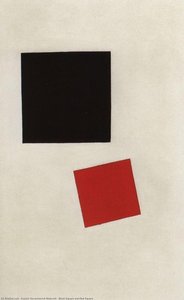
Explore Fernand Léger’s striking monochrome portrait of a woman, embodying the geometric precision characteristic of Cubism and reflecting the influence of industrial design—a timeless piece perfect for enriching your art collection.
 اقرأ المزيد
نبذة عن الفنان
فيران ليجر: رائد التكعيبية و"الأنبوبية"! اكتشف لوحات جريئة تحتفي بالحياة الحديثة، الآلات، والشكل البشري - سلف أساسي للفن الشعبي. أسلوبه المبتكر يمزج بين التجريد والواقعية.
§ 3Commentary
A Study in Form: Exploring Fernand Léger’s “The Mirror”
Fernand Léger's "The Mirror" isn’t merely a depiction of a woman; it’s an ambitious exploration of the intersection between human anatomy and industrial geometry—a cornerstone of Léger’s distinctive artistic approach. Painted sometime around 1925, this monochrome masterpiece exemplifies his unwavering commitment to capturing the transformative influence of the burgeoning machine age on artistic expression. Léger rejected the prevailing trend toward pure abstraction, arguing that true art could simultaneously honor tradition while embracing the radical new realities shaping the twentieth century. Instead of dissolving form into meaningless splashes of color, he meticulously crafted a composition that juxtaposes organic contours—the woman’s torso and arm—with angular, geometric shapes—the chair frame and clock face—creating a dialogue between nature and technology.- Style: Léger's style is characterized by “Constructivism,” a movement born from the Russian Revolution that prioritized functionalism and geometric abstraction as tools for conveying social ideals. However, Léger’s Constructivist tendencies are tempered with an undeniable sensitivity to humanist concerns.
- Technique: Léger employed a bold palette of black and white, utilizing thick impasto—a technique where paint is applied in textured layers—to imbue the canvas with palpable physicality. This deliberate materiality underscores Léger’s belief that art should engage the senses and communicate directly with the viewer.
Historical Context: The Machine Age and Artistic Response
The painting emerged during a period of profound societal change—the aftermath of World War I and the rapid acceleration of industrialization. Léger responded to this era not with despair or nostalgia, but with an optimistic conviction that art could illuminate the potential for progress while acknowledging the anxieties inherent in confronting modernity. The inclusion of the chair frame and clock face isn’t accidental; they serve as visual anchors, grounding the figure within a broader framework of urban life and timekeeping—symbols of efficiency and control against which Léger subtly contrasts the vulnerability represented by the human form.Symbolism Beyond Representation
While “The Mirror” eschews traditional figurative representation, it’s laden with symbolic significance. The woman herself embodies resilience and strength, positioned in a posture that conveys both grace and determination. Her raised arm suggests aspiration—a reaching for something beyond the immediate physical realm—while simultaneously mirroring the upward thrust of industrial structures. Léger's deliberate simplification of form isn’t an abandonment of emotion; rather, it amplifies it by stripping away extraneous detail, forcing the viewer to confront the essence of human experience.Emotional Impact and Artistic Legacy
Ultimately, “The Mirror” transcends its formal constraints to evoke a powerful emotional response. The stark monochrome palette contributes to an atmosphere of contemplative seriousness, inviting viewers to contemplate themes of identity, vulnerability, and the enduring relationship between humanity and technology. Léger’s pioneering approach paved the way for subsequent generations of artists who sought to reconcile abstraction with observation—a legacy that continues to inspire creativity and dialogue within contemporary art.الأسئلة والأجوبة
إلى أي حركة فنية وأي عصر تنتمي لوحة "The mirror" للفنان فرناند ليجر؟
في "The mirror" للفنان فرناند ليجر، تلتقي حركة Geometric Abstraction مع عصر العصر الحديث.
من أي بلد ينتمي عمل Geometric Abstraction بعنوان "The mirror"؟
تربط لوحة "The mirror" بين حركة Geometric Abstraction وفرنسا من خلال مسقط رأس مبدعها.
ما الذي يفسر الوضع المتعلق بحقوق الطبع والنشر لـ "The mirror" للفنان فرناند ليجر؟
إن عمل "The mirror" للفنان فرناند ليجر يندرج ضمن ملك عام - انتهت مدة حماية حقوق الطبع والنشر الخاصة به. وتبدأ مدة حماية حقوق الطبع والنشر من تاريخ وفاة الفنان، والتي حدثت في عام 1955.




 التبديل إلى المطبوعات


 بالنسبة للأعمال الفنية أو النسخ المطبوعة التي يتجاوز طول أي من أضلاعها 105 سم (حوالي 41 بوصة)، سيتم شحن الإطار كمجموعة مفككة. تضمن هذه الطريقة سلامة التوصيل وتمنع حدوث أي أضرار أثناء النقل.


