


 معاينة الحجم الحقيقي
 مشاركة
 مشاركة
 التفاصيل

 تحميل الملف
 قطع مشابهة
 الأشعة السينية
 عرض شرائح
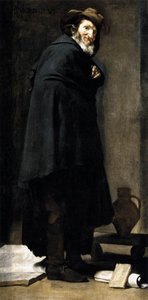
Saint Jerome
 1475
1475 156.0 x 84.0 cm
 عرض المزيد
نسخة زيتية مصنوعة يدوياً
لوحة زيتية مرسومة يدوياً على الكانفاس بالمقاس والإطار الذي تفضله، تُنفذ حسب الطلب على أيدي فنانينا. ( اشترِ نسخة مطبوعة اشترِ الصورة)




































اختر من بين أحجامنا المُعدّة مسبقًا والتي تتطابق مع النسب الأصلية للعمل الفني.

يمكنك إدخال أبعادك الخاصة لتناسب إطارًا معينًا أو مساحة محددة. وإذا لم يتطابق الحجم الذي اخترته مع نسب الصورة الأصلية، فسنقوم إما بقص العمل الفني أو توسيع اللوحة بإضافة عناصر مرسومة يدويًا. سيتم إرسال نموذج رقمي إليك للموافقة عليه قبل بدء الإنتاج.
يرجى ملاحظة أن المعاينة على الشاشة لا تعكس عملية القص أو التوسيع الفعلية؛ حيث إن النموذج الرقمي وحده هو الذي سيوضح التكوين النهائي بدقة.
وعلى الرغم من توفر أحجام مخصصة، إلا أننا نوصي باختيار أبعاد من القائمة المحددة مسبقًا للحفاظ على النسب الأصلية للعمل الفني.
بعد إتمام الطلب، سيرسل فريق AllPaintingsStore.com بريداً إلكترونياً للعميل لطلب التعليمات وتزويده بمعاينة تجريبية (mockup).
توصيل عالمي إلى خلال 3 إلى 4 أسابيع بدلاً من المدة المعتادة البالغة 5 أسابيع. (18 أغسطس). جودة لا تهاون فيها.

شحن سريع ومجاني لجميع أنحاء العالم

قماش كتان عالي الجودة

تأمين شحن شامل

ضمان استرداد الرسوم الجمركية

ضمان مطابقة الألوان الحقيقية

سياسة الإرجاع خلال 60 يومًا (في حالات العيوب فقط)

ضمان استرداد نقدي بنسبة 100%

خصم عند طلب عدة قطع
 خيار الزجاج متاح فقط للمقاسات التي تقل عن 110 سم

Saint Jerome
خامة إعادة الإنتاج
مقاس النسخة المطبوعة
-


السعر الإجمالي النهائي
$ 258
أعمال فنية ذات صلة



السيرة الذاتية للفنان
The Veronese Visionary: The Life and Legacy of Francesco Benaglio
In the vibrant, sun-drenched landscape of the Italian Renaissance, few names evoke the peculiar blend of mathematical rigor and dramatic flair quite like Francesco Benaglio. Born around 1430 to a Bergamasque grain merchant named Pietro della Biada, the artist’s very name carries the scent of his father's trade—della Biada, meaning "of the oats." This humble mercantile origin belies the sophisticated persona he would later adopt, taking his professional name from a noble family in Bergamo. As his family migrated to Verona by 1456, Benaglio stepped into a city brimming with humanist ideals and burgeoning artistic ambition, setting the stage for a career that would bridge the gap between rigid tradition and expressive innovation.
Benaglio’s ascent within the Veronese art scene was marked early on by prestigious commissions that signaled his growing mastery. His first documented triumph, a magnificent triptych for the San Bernardino Cathedral in Verona between 1462 and 1463, served as a profound declaration of his talent. This work not only secured his reputation among the city's elite patrons but also established him as a painter capable of handling large-scale, complex religious narratives. Yet, his life was not merely one of quiet devotion; it was punctuated by the colorful and often turbulent social politics of 15th-century Italy. In a scandalous episode in 1475, Benaglio and a fellow painter named Martino found themselves facing legal repercussions and a four-month imprisonment after being accused of painting defamatory frescoes on the Palazzo Saramboro. This daring, perhaps reckless, act of artistic rebellion highlights a man who was deeply entwined with the political tensions and social provocations of his era.
A Symphony of Geometry and Grace
To gaze upon a Benaglio masterpiece is to witness a fascinating tension between the structural and the soulful. His technique is famously characterized by an ostentatious use of perspective foreshortening, a hallmark of the Renaissance fascination with mathematical precision. He did not merely paint figures; he sculpted them with light and line, often imbuing his subjects with a certain geometric rigidity. This deliberate stiffness was never a lack of skill, but rather a calculated stylistic choice designed to impart a sense of monumental presence and eternal stability to his compositions.
This architectural approach to the human form is most strikingly evident in his celebrated depictions of the Madonna and Child. In these works, the divine figures possess a weight and gravity that command the viewer's attention, anchored by a disciplined use of space. To contrast this structural intensity, Benaglio employed highly stylized and dramatic landscapes in his backgrounds. These settings, often featuring rugged terrain or ethereal skies, serve to amplify the emotional impact of the central figures, creating a visual dialogue between the earthly and the divine. His ability to marry the cold logic of perspective with the warmth of religious devotion remains his most enduring artistic achievement.
The historical significance of Francesco Benaglio lies in his role as a pivotal figure in the development of the Veronese school. Through his work, we see the evolution of a style that:
- Integrated mathematical principles into religious iconography to create a sense of permanence.
- Explored the boundaries of social commentary through public fresco work, reflecting the era's political volatility.
- Pioneered a unique aesthetic language where geometric precision meets dramatic, stylized naturalism.

Francesco Benaglio
1430 - 1492 , Italy
حقائق سريعة
- Artistic Movement Or Style: Renaissance
- Date Of Birth: ca. 1430 Verona Italy
- Date Of Death: ca. 1492 Verona Italy
- Full Name: Francesco Benaglio
- Nationality: Italian
- Notable Artworks: ['Madonna col bambino e tre angeli']
- Place Of Birth: Verona Italy



