


 معاينة الحجم الحقيقي
 مشاركة
 مشاركة
 التفاصيل
 الدليل

 تحميل الملف
 قطع مشابهة
 الأشعة السينية
 عرض شرائح
 الإحصائيات
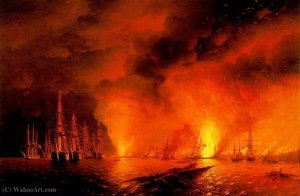
Figures By Chelsea Waterworks, London, Observing The Fires Of The Gordon Riots
 عرض المزيد
نسخة زيتية مصنوعة يدوياً
لوحة زيتية مرسومة يدوياً على الكانفاس بالمقاس والإطار الذي تفضله، تُنفذ حسب الطلب على أيدي فنانينا. ( التحويل إلى المطبوعات الانتقال إلى الصورة الرقمية)




































اختر من بين أحجامنا المُعدّة مسبقًا والتي تتطابق مع النسب الأصلية للعمل الفني.

يمكنك إدخال أبعادك الخاصة لتناسب إطارًا معينًا أو مساحة محددة. وإذا لم يتطابق الحجم الذي اخترته مع نسب الصورة الأصلية، فسنقوم إما بقص العمل الفني أو توسيع اللوحة بإضافة عناصر مرسومة يدويًا. سيتم إرسال نموذج رقمي إليك للموافقة عليه قبل بدء الإنتاج.
يرجى ملاحظة أن المعاينة على الشاشة لا تعكس عملية القص أو التوسيع الفعلية؛ حيث إن النموذج الرقمي وحده هو الذي سيوضح التكوين النهائي بدقة.
وعلى الرغم من توفر أحجام مخصصة، إلا أننا نوصي باختيار أبعاد من القائمة المحددة مسبقًا للحفاظ على النسب الأصلية للعمل الفني.
بعد إتمام الطلب، سيرسل فريق AllPaintingsStore.com بريداً إلكترونياً للعميل لطلب التعليمات وتزويده بمعاينة تجريبية (mockup).
توصيل عالمي إلى خلال 3 إلى 4 أسابيع بدلاً من المدة المعتادة البالغة 5 أسابيع. (21 سبتمبر). جودة لا تهاون فيها.

شحن سريع ومجاني لجميع أنحاء العالم

قماش كتان عالي الجودة

تأمين شحن شامل

ضمان استرداد الرسوم الجمركية

ضمان مطابقة الألوان الحقيقية

سياسة الإرجاع خلال 100 يوم (في حالات العيوب فقط)

ضمان استرداد نقدي بنسبة 100%

خصم عند طلب عدة قطع
 خيار الزجاج متاح فقط للمقاسات التي تقل عن 110 سم

Figures By Chelsea Waterworks, London, Observing The Fires Of The Gordon Riots
خامة إعادة الإنتاج
مقاس النسخة المطبوعة
-


السعر الإجمالي النهائي
$ 258
أعمال فنية ذات صلة




السيرة الذاتية للفنان
Jean-Baptiste Greuze: The Master of Melancholy
Jean-Baptiste Greuze, born in Tournus, Burgundy, on August 21st, 1725, and passing away in Paris on March 4th, 1805, remains a singularly compelling figure in the history of European art. His life was marked by both extraordinary success and profound personal struggles, shaping a distinctive artistic vision that captivated audiences throughout his career. Initially destined for a more conventional path – his father a roofer – Greuze’s innate talent for drawing was nurtured early on by a Lyon artist, Grandon, who defied familial expectations and encouraged the boy's artistic pursuits. This initial training laid the foundation for a career that would ultimately redefine the boundaries of genre painting and establish him as one of the most popular artists of his time.Early Years and Artistic Training
Greuze’s early years were characterized by a deliberate, almost methodical approach to his craft. He first studied in Lyon, honing his skills under Grandon, before relocating to Paris around 1750. It was in the bustling artistic environment of the capital that he enrolled at the Académie Royale de Peinture et de Sculpture, seeking formal recognition and entry into the prestigious Salon system. However, his attempts to gain acceptance as a history painter were met with resistance, largely due to his unconventional methods and a perceived lack of adherence to established academic norms. Despite this initial setback, Greuze persisted, developing a unique style that relied heavily on expressive gestures, dramatic lighting, and meticulously rendered details—elements that would soon distinguish his work from its contemporaries. His early works, such as *Le Père de famille expliquant la Bible à ses enfants* (1755), immediately garnered attention for their emotional intensity and narrative power, establishing him as a rising star in the Parisian art scene.The Rise of a Genre Master
Greuze’s breakthrough came through his exploration of *genre scenes*, intimate depictions of everyday life populated by ordinary people engaged in relatable situations. Unlike the grand historical narratives favored by the Academy, Greuze focused on contemporary moral dilemmas and emotional complexities—themes that resonated deeply with a burgeoning middle-class audience eager for art that reflected their own experiences. His paintings often featured families grappling with difficult choices, young girls facing perilous temptations, or individuals confronting poverty and hardship. These scenes were not merely illustrations of social realities; they served as vehicles for exploring ethical questions and conveying moral lessons—a characteristic that earned him the moniker “painter of morality.” The success of works like *L'Accordée de village (The marriage contract)* in 1761, a poignant depiction of a young woman’s impending nuptials, cemented his reputation and fueled a surge in popularity.Italian Travels and Artistic Evolution
In 1757, Greuze embarked on a transformative journey to Italy, accompanied by the Abbé Louis Gougenot, a patron who provided him with studio space and access to the artistic treasures of Rome. This sojourn proved pivotal in shaping his artistic development, exposing him to the classical ideals of antiquity and inspiring a renewed interest in mythological and allegorical subjects. However, rather than embracing these influences directly, Greuze selectively incorporated them into his existing style, retaining his focus on contemporary moral themes while subtly referencing classical motifs. His Italian paintings, exhibited at the Salon of 1757, demonstrated this hybrid approach—a blend of local realism and idealized forms.Later Years and Legacy
Despite achieving considerable fame during his lifetime, Greuze’s later career was marked by professional setbacks and personal difficulties. His refusal to submit a reception piece to the Académie Royale in 1769, prompted by a desire for recognition as a history painter, resulted in his exclusion from the Salon system—a decision that significantly curtailed his opportunities for exposure and commercial success. Furthermore, his marriage to Anne-Gabrielle Babut proved unhappy, contributing to a period of emotional instability. Nevertheless, Greuze continued to produce works that captivated audiences, albeit on a smaller scale. His later paintings often featured sensationalized depictions of young girls—a controversial trend that drew criticism but also ensured his continued popularity among collectors and patrons. Jean-Baptiste Greuze died in Paris in 1805, leaving behind a vast body of work that continues to fascinate art historians and viewers alike. His legacy lies not only in his technical skill and expressive power but also in his pioneering role as a genre painter who elevated the status of everyday life and explored the complexities of human emotion with unparalleled sensitivity. He remains an important figure in the history of French painting, demonstrating how artistic innovation can emerge from both personal struggle and a deep engagement with the social realities of his time.
francis swaine
1725 - 1782 , United Kingdom
حقائق سريعة
- Artistic Movement Or Style: Genre painting
- Artists Or Movements Influenced By This Artist: ['Dutch genre scenes']
- Artists Who Influenced This Artist: ['Grandon']
- Date Of Birth: 1725
- Date Of Death: 1805
- Full Name: Jean-Baptiste Greuze
- Nationality: French
- Notable Artworks:
- Broken Eggs
- Neapolitan Gesture
- Septimius Severus
- Place Of Birth: Tournus, Burgundy

