


 معاينة الحجم الحقيقي
 مشاركة
 مشاركة
 التفاصيل
 الدليل

 تحميل الملف
 قطع مشابهة
 الأشعة السينية
 عرض شرائح
 الإحصائيات
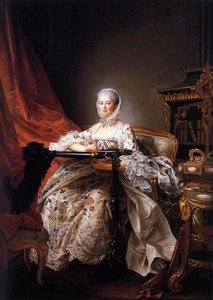
Portrait of Marquise de Pompadour
 Oil On Canvas
- WallArt
- Rococo
 1756
1756 201.0 x 157.0 cm
 Alte Pinakothek
 عرض المزيد
نسخة زيتية مصنوعة يدوياً
لوحة زيتية مرسومة يدوياً على الكانفاس بالمقاس والإطار الذي تفضله، تُنفذ حسب الطلب على أيدي فنانينا. ( التحويل إلى المطبوعات الانتقال إلى الصورة الرقمية)




P118B $10

P118H $10

P118W $10

P438Z $10

P508JH $12

P508YH $12

P805H $10

P805Z $10

P919BZ $10

P919G $10

P919XJ $10

P959ZH $10

P968JZ $12

W106C $8

W218G $10

W218JH $8

W218Y $10

W307PJ $10

W316G $10

W316PJ $8

W316Y $10

W398PJ $8

W4111J $10

W500HY $15

W500JH $15

W692G $12

W849H $8

W940BG $15

W953PJ $8




اختر من بين أحجامنا المُعدّة مسبقًا والتي تتطابق مع النسب الأصلية للعمل الفني.

يمكنك إدخال أبعادك الخاصة لتناسب إطارًا معينًا أو مساحة محددة. وإذا لم يتطابق الحجم الذي اخترته مع نسب الصورة الأصلية، فسنقوم إما بقص العمل الفني أو توسيع اللوحة بإضافة عناصر مرسومة يدويًا. سيتم إرسال نموذج رقمي إليك للموافقة عليه قبل بدء الإنتاج.
يرجى ملاحظة أن المعاينة على الشاشة لا تعكس عملية القص أو التوسيع الفعلية؛ حيث إن النموذج الرقمي وحده هو الذي سيوضح التكوين النهائي بدقة.
وعلى الرغم من توفر أحجام مخصصة، إلا أننا نوصي باختيار أبعاد من القائمة المحددة مسبقًا للحفاظ على النسب الأصلية للعمل الفني.
بعد إتمام الطلب، سيرسل فريق AllPaintingsStore.com بريداً إلكترونياً للعميل لطلب التعليمات وتزويده بمعاينة تجريبية (mockup).
توصيل عالمي إلى خلال 3 إلى 4 أسابيع بدلاً من المدة المعتادة البالغة 5 أسابيع. (21 سبتمبر). جودة لا تهاون فيها.

شحن سريع ومجاني لجميع أنحاء العالم

قماش كتان عالي الجودة

تأمين شحن شامل

ضمان استرداد الرسوم الجمركية

ضمان مطابقة الألوان الحقيقية

سياسة الإرجاع خلال 100 يوم (في حالات العيوب فقط)

ضمان استرداد نقدي بنسبة 100%

خصم عند طلب عدة قطع
 خيار الزجاج متاح فقط للمقاسات التي تقل عن 110 سم

Portrait of Marquise de Pompadour
خامة إعادة الإنتاج
مقاس النسخة المطبوعة
-


السعر الإجمالي النهائي
$ 258
Portrait of Madame de Pompadour: An Embodiment of Enlightenment Grace
François Boucher’s “Portrait of Madame de Pompadour,” painted in 1756, is more than just a likeness; it's a shimmering distillation of the Rococo era’s opulent sensibilities and a poignant reflection on power, beauty, and the evolving role of women within French society. The painting captures the Marquise de Pompadour – Jeanne Antoinette Poisson – not merely as a royal mistress, but as a cultivated patron of the arts, a woman who wielded considerable influence behind the scenes of the court, and a figure whose image became synonymous with elegance and sophistication.
Boucher’s masterful technique is immediately apparent. The composition unfolds within an exquisitely detailed interior setting – likely the Hôtel de Besenval, where Madame de Pompadour resided – suggesting both intimacy and grandeur. The palette is rich and luminous, dominated by soft pinks, creams, and subtle greens, characteristic of the Rococo style’s emphasis on light and pastel hues. Boucher employs a delicate sfumato technique, blurring edges and creating an atmospheric haze that softens the forms and contributes to the painting's overall sense of dreamlike beauty. The brushwork is incredibly fine, meticulously rendering fabrics – the luxurious silk gown, the intricate lace collar – and the subtle textures of the room’s furnishings. Notably, Boucher utilizes a technique known as “peinture à la lisse,” or smooth painting, which further enhances the polished, refined quality of the portrait.
A Woman in Power: Context and Symbolism
To understand the significance of this portrait, one must consider the historical context. Madame de Pompadour was a pivotal figure during Louis XV’s reign, not simply as his favorite but as an astute political advisor and a generous supporter of artists like Boucher himself. Her influence extended far beyond the confines of the royal court, shaping fashion trends, promoting intellectual discourse, and fostering a vibrant artistic environment. The painting subtly communicates this power – Madame de Pompadour is seated with an air of serene authority, reading a book, a symbol of her intellect and engagement with the world of ideas. The inclusion of birds perched on a branch in the background—a common motif in Rococo art—represents liberty and freedom, aligning with the Marquise’s own spirit of independence.
Furthermore, the choice of attire is laden with symbolism. The pale pink gown, adorned with delicate lace and embellished with pearls, reflects the prevailing fashions of the time while simultaneously conveying wealth and status. The elaborate hairstyle, piled high and decorated with jewels, further emphasizes her position as a woman of considerable influence. The book she holds isn’t just an object; it represents her cultivated mind and her role as a patron of learning – a deliberate contrast to the often-stereotyped image of women during that era.
Rococo Idealism and Enduring Beauty
“Portrait of Madame de Pompadour” exemplifies the core tenets of Rococo art: an emphasis on beauty, pleasure, and intimacy. Boucher’s portrayal is not one of stark realism but rather a carefully constructed idealization of feminine grace and sophistication. The composition invites the viewer to step into the scene, creating a sense of personal connection with the subject. The painting's serene atmosphere and harmonious colors evoke feelings of tranquility and refinement – qualities that were highly valued during the Rococo period.
Despite its historical context, the portrait continues to resonate today. Madame de Pompadour’s image has been reproduced countless times, appearing in art books, museum displays, and interior design publications. Her story—a woman who defied societal expectations, wielded considerable influence, and left an indelible mark on French culture – remains a compelling narrative of ambition, artistry, and the enduring allure of beauty. The painting serves as a testament to Boucher’s skill and his ability to capture not just a likeness but also the essence of a remarkable woman.
أعمال فنية ذات صلة




السيرة الذاتية للفنان
فرانسوا بوشر: حياة في قلب الروكوكو
يُعد فرانسوا بوشر (1703-1770) شخصية محورية في فن القرن الثامن عشر الفرنسي، ويشتهر بأنه أحد أشهر رسامي عصر الروكوكو. يجسد عمله الأناقة والإحساس والروح المرحة التي ميزت هذا النمط المؤثر. ولد بوشر في باريس عام 1703، وبدأ رحلته الفنية تحت إشراف والده، جان بوشر، وهو رسام أيضًا. سرعان ما لفت انتباه فرانسوا ليموين، مما أدى إلى فترة تدريب قصيرة ولكنها مؤثرة. ثم صقل مهاراته مع النقاش جان-فرانسوا كارس قبل أن يحقق معلمًا بارزًا: الفوز بالجائزة الكبرى في روما عام 1720.
النشأة والتطور الفني
أثبتت فترة بوشر في إيطاليا، بعد فوزه بالجائزة الكبرى، أنها حاسمة. عند عودته إلى فرنسا، تم قبوله في أكاديمية الملكية للرسم والنحت عام 1731. رسالة القبول الخاصة به، “رينالدو وأرميدا” (1734)، أثبتت على الفور أنه سيد أسلوب الروكوكو. شهدت هذه الفترة ظهور صوته الفني بالكامل، والذي يتميز بفرشاة دقيقة ولوحات ألوان باستيل والتركيز على الموضوعات الأسطورية والريفية. كان بوشر فنانًا متعدد الاستخدامات بشكل ملحوظ، حيث برع في مجالات مختلفة مثل الأساطير والصور الشخصية والمشاهد النوعية والفنون الزخرفية.
أعماله الرئيسية وسماتها
تنوع أعمال بوشر بشكل لافت، حيث شملت الأساطير والبورتريهات والمشاهد اليومية والفنون الزخرفية. من بين أشهر أعماله: “الإفطار” (1739)، وهو تصوير ساحر للحياة المنزلية يضم زوجته وأطفاله؛ وسلسلة “انتصار فينوس” (1740-1751)، التي تعرض براعة بوشر في سرد القصص الأسطورية. بالإضافة إلى ذلك، رسم بوشر العديد من صور شخصية لـ السيدة دي بومبادور، عشيقة الملك لويس الخامس عشر المؤثرة، مما عزز مكانته في البلاط الملكي. ولا يمكن إغفال لوحاته المناظر الطبيعية مثل “غروب الشمس”، التي تجسد رؤية شعرية وخلابة للطبيعة.
التأثير والإرث
امتد تأثير بوشر إلى ما هو أبعد من الرسم. صمم الأزياء والديكورات للمسرح، وأنشأ نسيجًا لورش عمل Beauvais، وتعاون مع مصنع Gobelins. عزز تعيينه كـ *Premier Peintre du Roi* في عام 1765 مكانته كأبرز فنان في الروكوكو الفرنسي. على الرغم من أن النقاد اللاحقين شككوا في السطحية المزعومة لفن الروكوكو، إلا أن تأثير بوشر على الأجيال اللاحقة لا يمكن إنكاره. أثر على فنانين مثل جان-أونوريه فراغونار وساهم بشكل كبير في تطوير الكلاسيكية الجديدة من خلال طلابه.
الأهمية التاريخية
يوفر عمل فرانسوا بوشر نافذة قيمة إلى أذواق وقيم المجتمع الفرنسي في القرن الثامن عشر. تعكس لوحاته ثقافة الطبقة الأرستقراطية في ذلك العصر، والتي تتميز بالفخامة والرقي والسعي وراء المتعة. يظل شخصية مهمة في تاريخ الفن، ويُحتفى به لمهاراته التقنية وابتكاره الفني ومساهمته الدائمة في أسلوب الروكوكو. كانت أعماله بمثابة مرآة تعكس روح العصر، حيث احتفل بالجمال والحب والترفيه، مما جعله أحد أبرز فناني القرن الثامن عشر وأكثرهم تأثيرًا.

فرانسوا بوشيه
1703 - 1770 , فرنسا
حقائق سريعة
- أعمال بارزة:
- رينالدو وأرميدا
- الإفطار
- السيدة بومبادور
- الاسم الكامل: فرانسوا بوشر
- الجنسية: فرنسي
- الحركة الفنية: الروكوكو
- الفنانون المؤثرون:
- فرانسوا ليموين
- جان فرانسوا كار
- الفنانون المتأثرون: ['جان هونوري فراغونار']
- تاريخ الميلاد: 29 سبتمبر 1703
- تاريخ الوفاة: 1770
- مكان الميلاد: باريس، فرنسا
مقالات ذات صلة
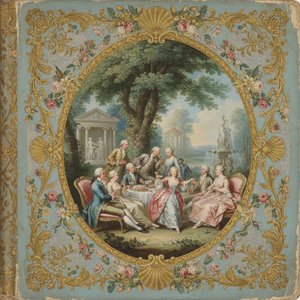
The Rococo Style: Aristocratic Leisure & the Pursuit of Delight in 18th-Century Art
Explore the opulent world of Rococo art! Discover Watteau, Boucher & Nattier's masterpieces. Expert insights for collectors seeking museum-quality reproductions and custom portraits at AllPaintingsStore.

François Boucher: Rococo Master of Myth, Sensuality, and the French Court
Explore the captivating world of François Boucher, master of Rococo painting! Discover his iconic works, aristocratic patronage, and lasting influence on French art history. Learn more at AllPaintingsStore.
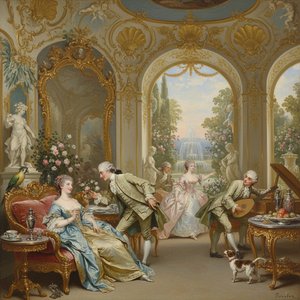
The Rococo Aesthetic: Opulence, Rebellion & the Pursuit of Pleasure in 18th-Century Art
Explore the opulent world of Rococo art! Discover its origins, key artists like Watteau & Boucher, and lasting influence on design. Expert insights for collectors & enthusiasts.
أفضل 25 لوحة لفنانٍ عبقري: جوايا يلامس الروح بالفن والتاريخ
اكتشف 25 تحفة فنية لفنان العبقري جوايا! رحلة في عالم لوحاته المؤثرة، من الرومانسية إلى الواقعية. احصل على نسخ عالية الجودة لديكور منزلك الفاخر على AllPaintingsStore.com

Maurice Quentin de La Tour: Light, Shadow & the Rococo Portrait
Explore the captivating world of Maurice Quentin de La Tour, a master of Rococo portraiture. Discover his innovative pastel techniques, intimate depictions of French aristocracy, and lasting artistic legacy. Learn more at AllPaintingsStore.

