


 معاينة الحجم الحقيقي
 مشاركة
 مشاركة
 التفاصيل
 الدليل

 تحميل الملف
 قطع مشابهة
 الأشعة السينية
 عرض شرائح
 الإحصائيات
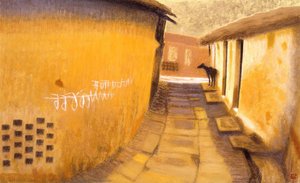
Villagers on a Country Road, Nasik, Western India
 Realism
 1892
1892- 19th Century
 14.0 x 23.0 cm
 المكتبة البريطانية
 عرض المزيد
احصل على صورة رقمية عالية الدقة ومعزّنة، بجودة تفوق بكثير المعاينة عبر الإنترنت.
يتم إعداد كل ملف بعناية فائقة من قبل متخصصينا الداخليين باستخدام أدوات متقدمة ولمسات يدوية خبيرة. نضمن أن تتمتع كل صورة بوضوح استثنائي، ودقة لونية متناهية، وتفاصيل دقيقة.
يتم تسليم الملف النهائي عبر البريد الإلكتروني في غضون 72 ساعة، وهو مُحسَّن للاستخدام الفوري في المجالات المهنية والتحريرية ومجالات الطباعة. هذه هي ذات الجودة التي تعتمد عليها كبرى استوديوهات التصميم ودور النشر والمعارض الفنية المرموقة.
صورة رقمية
حمّل ملفاً عالي الدقة للعرض الشخصي، والطباعة، والمشاريع الإبداعية. ( التحويل إلى المطبوعات اشترِ لوحة مرسومة يدويًا)
مزايا مُضمّنة في كل طلب صورة رقمية
تسليم رقمي احترافي، مضمون
عندما تختار AllPaintingsStore.com، فأنت لا تحصل على مجرد صورة فحسب، بل ستحصل على عمل فني رقمي مُحسّن باحترافية، صُمم بدقة متناهية ومصحوب بضمان الرضا. إليك كل ما يتضمنه طلبك تلقائياً:

تسليم سريع عبر البريد الإلكتروني
ستصلك ملفات صورك الرقمية عالية الدقة عبر البريد الإلكتروني في غضون 72 ساعة من إتمام الطلب - لتكون جاهزة للاستخدام الفوري.

ملف رقمي مُحسّن بالذكاء الاصطناعي
يتم تحسين عملك الفني باحترافية باستخدام أدوات الذكاء الاصطناعي المتقدمة والتحرير اليدوي، لضمان أقصى درجات التفاصيل والوضوح ودقة الألوان.

إعادة إرسال مجانية مدى الحياة
هل حذفت ملفك أو فقدته عن طريق الخطأ؟ لا تقلق - سنعيد إرساله إليك في أي وقت، ومجاناً.

بدون رسوم استيراد - على الإطلاق
استمتع بأعمالك الفنية فوراً دون أي رسوم جمركية أو ضرائب أو مصاريف شحن - فالتحميلات الرقمية دائماً ما تكون معفاة من الضرائب.

ضمان دقة الألوان
نحن نضمن أن تعكس صورتك الرقمية الألوان الأصلية بأقصى قدر ممكن من الدقة، وذلك باستخدام أدوات احترافية وتقنيات إدارة الألوان.

ضمان الرضا لمدة 100 يوم
إذا لم تكن راضياً عن صورتك الرقمية، فسنقوم بتعديلها أو استرداد 100% من قيمتها خلال 100 يوم - دون طرح أي أسئلة.

ضمان استعادة الأموال بنسبة % 100
لم تكن راضياً؟ استرد كامل المبلغ خلال 100 يوم من استلام ملفك الرقمي - دون طرح أي أسئلة.

خصومات الطلبات الكبيرة
اشتري 3 صور، ووفر 10% - اشتري 5، ووفر 15% - اشتري +10، ووفر 20%. مثالية للمشاريع الإبداعية، والمعارض، والوكالات.
A Journey Through Time: The Soul of Nasik
In the delicate strokes of "Villagers on a Country Road, Nasik, Western India," painted in 1892 by George James Howard, we are invited to step into a vanished era of colonial India. This intimate work serves as more than just a landscape; it is a window into the rhythmic, communal life of the late nineteenth century. The painting captures a transient moment on a dusty path, where a group of travelers moves with purpose and grace. As they navigate the dirt road, the presence of baskets balanced expertly upon heads and the strategic placement of umbrellas suggest a narrative of daily labor and shared journeying. There is a profound sense of movement captured here—not a hurried rush, but a steady, ancestral pace that feels deeply connected to the earth beneath their feet.
The composition masterfully utilizes depth to draw the viewer into the heart of Western India. By positioning figures at varying intervals along the path, Howard creates a visual trail that leads the eye from the foreground into the hazy distance. The two umbrellas, acting as focal anchors, provide a sense of structural balance; one centrally located to ground the scene and another tucked toward the periphery to suggest the vastness of the landscape beyond the frame. This careful arrangement transforms a simple depiction of walking into a complex study of perspective and spatial storytelling, making the scene feel remarkably lifelike and immersive.
Technique and the Art of Atmosphere
Executed with a sensitivity that honors the light of the Indian subcontinent, the painting employs a technique that balances fine detail with atmospheric softness. The artist captures the tactile quality of the terrain—the dry, textured earth of the road and the organic weight of the woven baskets. Through subtle gradations of color, Howard evokes the warmth of a sun-drenched afternoon, where the light filters through the air to soften the edges of the figures. This approach creates a painterly texture that is particularly captivating in high-quality reproductions, as it allows the play of light and shadow to emerge with a luminous quality on any wall.
For the discerning collector or interior designer, this piece offers a unique opportunity to introduce a sense of historical wanderlust into a contemporary space. The artwork does not merely decorate; it narrates. Its muted, earthy palette is incredibly versatile, capable of complementing both minimalist modern interiors and more traditional, richly textured rooms. To possess a reproduction of this work is to hold a fragment of history—a piece that brings the quiet dignity of 1892 India into the modern home, offering an emotional resonance that speaks of endurance, community, and the timeless beauty of the human journey.
أعمال فنية ذات صلة




السيرة الذاتية للفنان
Washington Allston: Pioneer of American Romanticism
Born in Waccamaw Parish, South Carolina, in 1779 – a date often misattributed due to inconsistencies in historical records – Washington Allston’s life and artistic journey represent a pivotal moment in the development of landscape painting within America. His early years were steeped in the rhythms of plantation life, a stark contrast to the dramatic vistas that would eventually dominate his oeuvre. Allston's father, William Allston, was a captain involved in the American Revolution, and his mother, Rachel Moore, remarried Dr. Henry C. Flagg, establishing a lineage intertwined with both military service and burgeoning commerce. This complex background undoubtedly shaped his perspective – a blend of aristocratic tradition and the realities of colonial society.
Allston’s formal artistic training began in Boston, followed by a period in London, where he enrolled at the Royal Academy Schools. This immersion in European artistic traditions—particularly the Neoclassical and Romantic movements—proved transformative. He spent years absorbing the techniques and philosophies of masters like Benjamin West and studying the vast collections of Parisian and Italian museums. However, Allston didn’t simply replicate these styles; instead, he synthesized them with his own unique vision, forging a distinctly American brand of Romanticism. His early works, often characterized by grand scale and theatrical lighting, reflected an admiration for the Baroque masters, particularly Rembrandt. He sought to capture not just the appearance of nature but its emotional power – the sublime beauty that inspired awe and reverence.
- Key Early Works: “Ann Channing” (1809-15), a poignant portrayal of his wife, exemplifies this early period.
- Influence of Romanticism: Allston’s later paintings, such as "The Expulsion from the Garden" and "The Sylphs of the Seasons," demonstrate a shift towards subjective experience and emotional intensity, hallmarks of the Romantic movement.
A Journey Through Europe and the Pursuit of Vision
Following his initial success in London, Allston embarked on extensive travels throughout Europe, immersing himself in the artistic and intellectual currents of the continent. He spent years exploring Italy, absorbing the light and color of the Mediterranean landscape, and engaging with leading thinkers like Samuel Taylor Coleridge. These experiences profoundly impacted his artistic sensibilities, fostering a deeper understanding of composition, color theory, and the expressive potential of light. His time in Rome was particularly formative, allowing him to study classical sculpture and architecture, which informed his approach to depicting natural forms.
Returning to America in 1818, Allston continued to refine his artistic style, experimenting with new techniques and pushing the boundaries of landscape painting. He established a studio in Charleston, South Carolina, where he produced a series of evocative paintings capturing the beauty of the Lowcountry—a region that would remain a constant source of inspiration throughout his career. His work during this period is characterized by a heightened sense of atmosphere and an exploration of psychological themes.
The Sylphs of the Seasons and Beyond
Allston’s most celebrated works, particularly “The Sylphs of the Seasons” (1813), showcase his mastery of color and light. This allegorical painting, depicting the four seasons as ethereal spirits, is a testament to his ability to translate abstract concepts into visually stunning imagery. It exemplifies his fascination with mythology and folklore, elements that frequently informed his artistic vision.
Beyond landscape, Allston also explored themes of spirituality and mortality in works like “The Burial,” a deeply moving depiction of grief and loss. His later paintings often reflected a more introspective and melancholic mood, perhaps influenced by the personal tragedies he experienced—the early death of his wife, Ann Channing, and the subsequent loss of their young son.
Legacy and Historical Significance
Washington Allston’s contribution to American art is undeniable. He was a pioneer in establishing landscape painting as a legitimate genre within the United States, paving the way for future generations of artists like Asher B. Durand and Frederic Church. His innovative use of color, his dramatic compositions, and his exploration of psychological themes set him apart from his contemporaries and established him as one of the most important figures in the early American Romantic movement.
Despite facing financial difficulties and critical challenges during his lifetime, Allston’s artistic legacy endures. His paintings continue to be admired for their beauty, emotional depth, and technical brilliance. He remains a vital link between European artistic traditions and the development of uniquely American art—a testament to the power of individual vision and creative expression.

george james howard
1843 - 1911
لمحة سريعة
- Artistic Movement Or Style: Romantic landscape painting
- Artists Or Movements Influenced By This Artist: ['Washington Irving']
- Artists Who Influenced This Artist: ['Benjamin West']
- Date Of Birth: November 5, 1779
- Date Of Death: July 9, 1843
- Full Name: Washington Allston
- Nationality: American
- Notable Artworks:
- Ann Channing
- Margaret Remington Dana
- Place Of Birth: Waccamaw Parish, SC

