

1908. Acrylic On Canvas, 46.0 x 38.0 cm.

§ 1بيانات الكتالوج

- 46.0 x 38.0 cm


هذا العمل الفني محمي بموجب حقوق الطبع والنشر
إن العمل الفني المعروض في هذه الصفحة محمي بموجب قوانين حقوق الطبع والنشر، مما يعني أنه لا يحق لنا قانوناً إنشاء أو بيع نسخ مطابقة له. وتُطبق هذه الحماية بموجب الاتفاقيات الدولية مثل الـ اتفاقية برن ووفقاً للقوانين الوطنية، بما في ذلك تلك المنصوص عليها في قانون حقوق الطبع والنشر في الولايات المتحدة - الباب 17.
وكبديل قانوني وراقٍ، نقدم أعمالاً فنية مخصصة ومرسومة يدوياً مستوحاة من العمل الأصلي. حيث يقوم فنانونا المهرة والمحترفون بدراسة أسلوب العمل الأصلي وأجوائه وجوهره الفني بعناية فائقة، لابتكار قطعة جديدة وفريدة تثير الشعور ذاته - مع بقائها عملاً أصيلاً بحد ذاته.
تتوافق هذه الطريقة تماماً مع لوائح حقوق النشر لأنها لا تتضمن نسخ أو تكرار العمل الفني المحمي، بل هي إعادة تفسير إبداعية؛ أي أنها لوحة جديدة مستوحاة من الأصل ولكنها ليست مطابقة له.
 للمزيد من المعلومات
§ 2تجريدي
وصف القطعة المقتناة
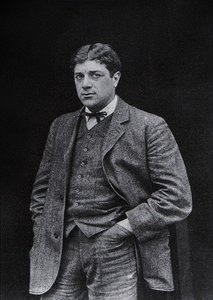
السيرة الذاتية للفنان
جورج براك، رائد التشكيل الكوبي والفنان الفاوفي، استطاع تغيير مفهوم الفن الحديث بأسلوبه الثوري وتشكيله للرؤية التعبيرية، من بين أعماله البارزة منازل إستاك والصبة والكمان والقيتارة، لتكون إضافة أساسية للتاريخ الفني العالمي.
§ 3تعليق
Georges Braque’s “Path at Estaque”: A Dialogue Between Cézanne and Picasso
Georges Braque’s “Path at Estaque,” painted in 1908, stands as a pivotal work within the burgeoning Cubist movement, yet simultaneously echoes the influence of Paul Cézanne—a relationship that exemplifies the artistic ferment of the period. This unassuming landscape isn't merely a depiction of Provence; it’s a carefully considered response to Cézanne’s groundbreaking explorations of form and perspective, compounded by Braque’s own burgeoning fascination with Picasso’s revolutionary “Les Demoiselles d’Avignon.” As Dr. Beth Harris eloquently describes in Smarthistory, the painting represents “an homage to Cézanne, but also a reaction to having seen Picasso’s Les Demoiselles d’Avignon,” highlighting the complex interplay of artistic ideas shaping Braque's vision.
- Subject Matter: The canvas captures a tranquil coastal scene—a path winding through a grove of trees overlooking the Mediterranean Sea. Estaque, a village near Marseille, served as Cézanne’s studio and inspiration for countless works, cementing its place in art history.
- Style & Technique: Braque employs a fractured perspective characteristic of Cubism, breaking down objects into geometric planes that overlap and intersect. Unlike traditional Impressionistic renderings, he prioritizes structure over optical illusion, striving to represent multiple viewpoints simultaneously. The muted palette—dominated by earthy greens and browns—contributes to the painting’s contemplative mood.
- Historical Context: Painted in 1908, “Path at Estaque” marks a crucial moment in artistic history. Cézanne's insistence on simplifying forms and flattening space had profoundly impacted artists like Braque and Picasso, prompting them to challenge established conventions. The painting reflects the broader intellectual currents of the time—a rejection of academic realism in favor of subjective perception and experimental representation.
- Symbolism & Emotional Impact: Beyond its visual depiction, “Path at Estaque” conveys a sense of stillness and observation. Cézanne’s influence is palpable in Braque's careful attention to tonal variations and the subtle modeling of surfaces—techniques designed to evoke an emotional response akin to Cézanne’s own profound engagement with nature.
A Reproduction Worth Considering
The MoMA’s catalog entry emphasizes Braque’s deliberate approach, noting that “Georges Braque. Road near L'Estaque. L'Estaque, late summer 1908” is “Oil on canvas. 23 3/4 x 19 3/4\" (60.3 x 50.2 cm). Given anonymously (by exchange).” This painting exemplifies the core tenets of Cubism—a stylistic breakthrough that continues to inspire artists and collectors alike.
- Material Quality: AllPaintingsStore offers exceptionally detailed reproductions crafted from archival pigments on premium canvas, ensuring vibrant colors and exceptional longevity.
- Interior Design Inspiration: “Path at Estaque”’s serene composition lends itself beautifully to contemporary interior spaces—particularly those seeking a connection with the natural world and an appreciation for understated elegance.
- Art Historical Significance: Acquiring a high-quality reproduction allows you to engage directly with one of the foundational artworks of modern art, fostering a deeper understanding of Cézanne’s legacy and Picasso’s pioneering vision.
Explore the captivating beauty and intellectual depth of Georges Braque’s “Path at Estaque” through AllPaintingsStore’s stunning reproductions—a testament to artistic innovation and enduring inspiration.
الأسئلة والأجوبة
ما هي العاطفة التي يجسدها عمل Cubist Landscape بعنوان "Path at Estaque"؟
تجسد لوحة "Path at Estaque" نبرة عاطفية Reflective تنتمي إلى حركة Cubist Landscape.
كيف يتجلى تلاقي الحركة والعصر في "Path at Estaque" للفنان جورج براك؟
تنتمي لوحة "Path at Estaque" إلى حركة Cubist Landscape، وقد أبدعها فنان عاش في عصر العصر الحديث.
ما مدى إشراق "Path at Estaque" بشكل عام؟
بشكل عام، سُجلت درجة السطوع لـ "Path at Estaque" بـ balanced؛ حيث يعبر السطوع المدرك عن مدى ما يبدو عليه العمل الفني من إضاءة أو عتمة.


 التبديل إلى نسخة مطبوعة


 بالنسبة للأعمال الفنية أو النسخ المطبوعة التي يتجاوز طول أي من أضلاعها 105 سم (حوالي 41 بوصة)، سيتم شحن الإطار كمجموعة مفككة؛ حيث تضمن هذه الطريقة سلامة التوصيل وتمنع حدوث أي أضرار أثناء النقل.


