

Acrylic On Canvas.

§ 1بيانات الكتالوج

هذا العمل الفني محمي بموجب حقوق الطبع والنشر
إن العمل الفني المعروض في هذه الصفحة محمي بموجب قوانين حقوق الطبع والنشر، مما يعني أنه لا يحق لنا قانوناً إنشاء أو بيع نسخ مطابقة له. وتُطبق هذه الحماية بموجب الاتفاقيات الدولية مثل الـ اتفاقية برن ووفقاً للقوانين الوطنية، بما في ذلك تلك المنصوص عليها في قانون حقوق الطبع والنشر في الولايات المتحدة - الباب 17.
وكبديل قانوني وراقٍ، نقدم أعمالاً فنية مخصصة ومرسومة يدوياً مستوحاة من العمل الأصلي. حيث يقوم فنانونا المهرة والمحترفون بدراسة أسلوب العمل الأصلي وأجوائه وجوهره الفني بعناية فائقة، لابتكار قطعة جديدة وفريدة تثير الشعور ذاته - مع بقائها عملاً أصيلاً بحد ذاته.
تتوافق هذه الطريقة تماماً مع لوائح حقوق النشر لأنها لا تتضمن نسخ أو تكرار العمل الفني المحمي، بل هي إعادة تفسير إبداعية؛ أي أنها لوحة جديدة مستوحاة من الأصل ولكنها ليست مطابقة له.
 للمزيد من المعلومات
§ 2تجريدي
وصف القطعة المقتناة
Explore Georges Braque's 'Trash Anemones,' a vibrant Cubist masterpiece capturing abstract forms and colors. A unique reproduction of this iconic artwork, perfect for art lovers.
السيرة الذاتية للفنان
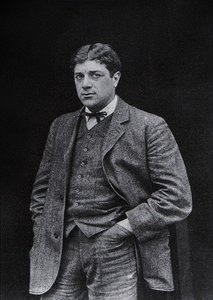
جورج براك، رائد التشكيل الكوبي والفنان الفاوفي، استطاع تغيير مفهوم الفن الحديث بأسلوبه الثوري وتشكيله للرؤية التعبيرية، من بين أعماله البارزة منازل إستاك والصبة والكمان والقيتارة، لتكون إضافة أساسية للتاريخ الفني العالمي.
§ 3تعليق
Georges Braque’s “Trash Anemones”: A Cubist Exploration of Decay and Beauty
“Trash Anemones,” painted by Georges Braque in 1925, isn't merely a depiction of marine life; it’s a meticulously constructed meditation on the transient nature of beauty, decay, and the very act of observation. This vibrant canvas, now housed within the collections of museums worldwide, offers a compelling glimpse into the heart of Cubism – a movement that fundamentally challenged traditional artistic representation and invited viewers to actively participate in constructing meaning.
The painting immediately arrests the eye with its bold palette: a swirling vortex of browns, ochres, greens, and yellows dominates the composition. Braque masterfully employs a technique reminiscent of both collage and oil paint, layering textures that mimic the rough surfaces of seaweed and decaying organic matter. The central figure – a stylized basket overflowing with what appears to be discarded anemones – is rendered in fragmented geometric shapes, characteristic of Cubism’s deconstructionist approach. Rather than striving for photographic realism, Braque breaks down forms into their essential components, presenting them simultaneously from multiple viewpoints. This creates an unsettling yet captivating sense of spatial ambiguity, forcing the viewer to actively piece together the image.
The Roots of Fragmentation: Cubism and its Revolutionary Spirit
To fully appreciate “Trash Anemones,” it’s crucial to understand the historical context in which it was created. Braque, alongside Pablo Picasso, spearheaded the development of Cubism during the early 20th century – a radical departure from the prevailing artistic norms of the time. Influenced by Paul Cézanne's emphasis on geometric forms and his exploration of multiple perspectives, Braque and Picasso sought to represent objects not as they appear to the eye in a single moment, but as they exist within the mind’s perception. This involved dissecting subjects into their constituent parts, reassembling them in an abstract manner, and presenting them from various viewpoints simultaneously on a single canvas.
The influence of Paul Cézanne is particularly evident in Braque's use of flattened planes and simplified forms. However, unlike Cézanne’s focus on capturing the essence of nature, Cubism aimed to capture the *process* of seeing – the way our minds actively construct reality through perception. “Trash Anemones” embodies this principle perfectly, reflecting a world viewed not as a static entity but as a dynamic interplay of shapes and colors.
Symbolic Layers: Decay, Beauty, and the Observer
Beyond its formal innovations, "Trash Anemones" is rich in symbolic potential. The title itself immediately suggests a juxtaposition of beauty and decay – a deliberate provocation that invites contemplation on the ephemeral nature of existence. The discarded anemones, rendered with a delicate yet unsettling detail, could be interpreted as symbols of lost beauty, fleeting moments, or even the inevitable process of decomposition. The basket, acting as a container, might represent memory, preservation, or perhaps simply the act of collecting and categorizing the fragments of experience.
Furthermore, the inclusion of seemingly random elements – the fragmented shapes, the muted color palette – hints at the subjective nature of perception. Braque isn’t merely depicting an anemone; he's presenting a *representation* of it, filtered through his own artistic vision and influenced by his personal experiences. The presence of letters and numbers within the composition, echoing earlier Cubist experiments with typography, further underscores this idea – suggesting that art itself is a form of communication, a system of signs and symbols.
A Timeless Reflection: Emotional Resonance and Artistic Legacy
“Trash Anemones” continues to resonate with viewers today not only for its groundbreaking artistic innovations but also for its profound emotional depth. The painting’s unsettling beauty evokes a sense of melancholy, prompting us to consider the transient nature of all things and the inherent fragility of beauty itself. It's a testament to Braque's ability to transform ordinary subjects into extraordinary works of art – capturing not just what he saw but also what he felt.
Reproductions of this iconic painting offer an accessible way to experience its power and complexity, bringing its evocative imagery into any interior space. Whether displayed in a modern gallery or a private home, “Trash Anemones” remains a potent reminder of the transformative potential of art and its ability to challenge our perceptions of reality.
الأسئلة والأجوبة
ما هو الحجم المثالي لطباعة "Trash anemones" بما يتناسب مع غرفتي؟
في Living Room، يُقترح طباعة "Trash anemones" بحجم Medium.
كيف يمكنني الحصول على نسخة مطبوعة من "Trash anemones" للفنان جورج براك؟
للحصول على نسخة مطبوعة من "Trash anemones" للفنان جورج براك، ما عليك سوى طلبها عبر صفحة مطبوعة فنية فاخرة الخاصة بها: مطبوعة فنية فاخرة على قماش قطني أو ورق كانفاس أرشيفي.
إلى أي حركة فنية ينتمي العمل "Trash anemones" للفنان جورج براك؟
ينتمي العمل "Trash anemones" إلى مدرسة Cubist Modernism، وهي المدرسة التي تمثل التقليد الفني الذي يندرج ضمنه هذا العمل.


 التبديل إلى نسخة مطبوعة


 بالنسبة للأعمال الفنية أو النسخ المطبوعة التي يتجاوز طول أي من أضلاعها 105 سم (حوالي 41 بوصة)، سيتم شحن الإطار كمجموعة مفككة؛ حيث تضمن هذه الطريقة سلامة التوصيل وتمنع حدوث أي أضرار أثناء النقل.


