

Marble. متحف برادو.

§ 1بيانات الكتالوج


§ 2تجريدي
وصف القطعة المقتناة
 عرض المزيد
السيرة الذاتية للفنان
اكتشف جيوتو دي بوندوني (1267-1337)، الرائد الإيطالي الذي أحدث ثورة في الفن! استكشف أعماله الجدارية الأولية من عصر النهضة، وطبيعته، وعمقه العاطفي في أعمال مثل كنيسة سكروفيني. شخصية أساسية في تاريخ الفن.
§ 3تعليق
Daedalus by Giotto di Bondone: A Renaissance Masterpiece
Giotto di Bondone's Daedalus, housed within the Museo dell’Opera del Duomo in Florence, Italy, stands as a pivotal work of the Italian Renaissance. This marble relief sculpture exemplifies Giotto's groundbreaking approach to depicting human emotion and movement, marking a significant departure from earlier artistic conventions.
The Story and Significance
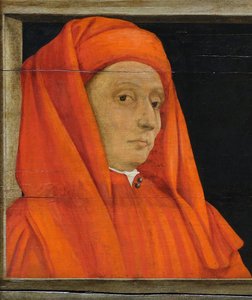
Daedalus, created between 1305 and 1310, portrays the legendary figure of Daedalus from Greek mythology. He is depicted with wings affixed to his back, symbolizing his desperate attempt to escape imprisonment on the island of Crete alongside his son Icarus. Giotto masterfully captures a moment of intense emotion – the yearning for freedom, the fear of failure, and perhaps even a touch of hubris. The sculpture’s power lies not just in its narrative but also in the subtle details: the carefully rendered folds of Daedalus' clothing, the strain evident in his posture, and the expression on his face that conveys both determination and anxiety.
Historical Context: A Shift Towards Naturalism
Giotto’s Daedalus emerged during a period of profound artistic transformation. The Italian Renaissance witnessed a renewed interest in classical Greek and Roman art and culture, prompting artists to move away from the stylized conventions of Byzantine art. Giotto was at the forefront of this shift, pioneering a more naturalistic style that emphasized human emotion and realistic representation. He, alongside figures like Michelangelo Buonarroti (though much later), fundamentally reshaped the artistic landscape of the period. His work signaled a departure from purely symbolic representations towards depictions grounded in observed reality – a key characteristic of Renaissance art.
Artistic Technique and Symbolism
The sculpture is crafted from marble, showcasing Giotto’s skill as a sculptor. The relief technique—where figures are carved in raised detail against a flat background—allows for depth and dimension while maintaining a sense of unity. The wings themselves are laden with symbolism; they represent not only Daedalus' ambition to escape but also the human desire for transcendence and freedom from earthly constraints. The choice of marble, a material associated with classical antiquity, further reinforces the work’s connection to Renaissance ideals. Giotto’s use of light and shadow across the sculpted surface enhances the drama and emotional impact of the scene.
Experience Daedalus Through Reproduction
For those unable to experience this masterpiece firsthand at the Museo dell'Opera del Duomo, AllPaintingsStore.com offers meticulously crafted oil painting reproductions of Giotto’s Daedalus. These reproductions are created by skilled artists employing traditional techniques to faithfully capture the beauty and essence of the original artwork. Owning a reproduction allows art enthusiasts to bring a piece of Renaissance history into their homes, appreciating the innovative spirit and artistic genius of Giotto di Bondone.
- Discover more about Giotto Di Bondone and his works on AllPaintingsStore.com
- Learn about the Museo dell'Opera del Duomo and its collection of Renaissance art on AllPaintingsStore.com
- Explore the world of Renaissance art and discover new artists and works on AllPaintingsStore.com
الأسئلة والأجوبة
ما الذي يجعل "Daedalus" للفنان جوتو دي بوندوني خياراً مثالياً للإهداء؟
تفيض لوحة "Daedalus" بمشاعر Dramatic، وتُعد خياراً مثالياً كهدية لـ Anniversary.
إلى أي حقبة زمنية تنتمي "Daedalus" للفنان جوتو دي بوندوني؟
تعود "Daedalus" إلى عصر Late Medieval.
ما هو اللون الطاغي الذي ينساب عبر "Daedalus" للفنان جوتو دي بوندوني؟
اللون السائد في "Daedalus" للفنان جوتو دي بوندوني هو Amber to Saffron، وهو اللون الذي يشكل النغمة الأساسية لمجموعة الألوان المستخدمة.


 التبديل إلى نسخة مطبوعة


 بالنسبة للأعمال الفنية أو النسخ المطبوعة التي يتجاوز طول أي من أضلاعها 105 سم (حوالي 41 بوصة)، سيتم شحن الإطار كمجموعة مفككة؛ حيث تضمن هذه الطريقة سلامة التوصيل وتمنع حدوث أي أضرار أثناء النقل.


![سكروفيني - [05] - حلم يواكيم](/media/artworks/images-thumb/8f/67/8f67bb5da87296bd452b3f0b237b528d.jpg)


