


 معاينة الحجم الحقيقي
 مشاركة
 مشاركة
 التفاصيل
 الدليل

 تحميل الملف
 قطع مشابهة
 الأشعة السينية
 عرض شرائح
 الإحصائيات
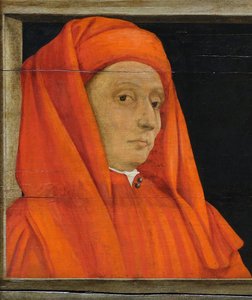
Scenes from the Life of Saint Francis: 2. Renunciation of Wordly Goods (detail)


 عرض المزيد
نسخة زيتية مصنوعة يدوياً
لوحة زيتية مرسومة يدوياً على الكانفاس بالمقاس والإطار الذي تفضله، تُنفذ حسب الطلب على أيدي فنانينا. ( التحويل إلى المطبوعات الانتقال إلى الصورة الرقمية)




P118B $10

P118H $10

P118W $10

P438Z $10

P508JH $12

P508YH $12

P805H $10

P805Z $10

P919BZ $10

P919G $10

P919XJ $10

P959ZH $10

P968JZ $12

W106C $8

W218G $10

W218JH $8

W218Y $10

W307PJ $10

W316G $10

W316PJ $8

W316Y $10

W398PJ $8

W4111J $10

W500HY $15

W500JH $15

W692G $12

W849H $8

W940BG $15

W953PJ $8




اختر من بين أحجامنا المُعدّة مسبقًا والتي تتطابق مع النسب الأصلية للعمل الفني.

يمكنك إدخال أبعادك الخاصة لتناسب إطارًا معينًا أو مساحة محددة. وإذا لم يتطابق الحجم الذي اخترته مع نسب الصورة الأصلية، فسنقوم إما بقص العمل الفني أو توسيع اللوحة بإضافة عناصر مرسومة يدويًا. سيتم إرسال نموذج رقمي إليك للموافقة عليه قبل بدء الإنتاج.
يرجى ملاحظة أن المعاينة على الشاشة لا تعكس عملية القص أو التوسيع الفعلية؛ حيث إن النموذج الرقمي وحده هو الذي سيوضح التكوين النهائي بدقة.
وعلى الرغم من توفر أحجام مخصصة، إلا أننا نوصي باختيار أبعاد من القائمة المحددة مسبقًا للحفاظ على النسب الأصلية للعمل الفني.
بعد إتمام الطلب، سيرسل فريق AllPaintingsStore.com بريداً إلكترونياً للعميل لطلب التعليمات وتزويده بمعاينة تجريبية (mockup).
توصيل عالمي إلى خلال 3 إلى 4 أسابيع بدلاً من المدة المعتادة البالغة 5 أسابيع. (21 سبتمبر). جودة لا تهاون فيها.

شحن سريع ومجاني لجميع أنحاء العالم

قماش كتان عالي الجودة

تأمين شحن شامل

ضمان استرداد الرسوم الجمركية

ضمان مطابقة الألوان الحقيقية

سياسة الإرجاع خلال 100 يوم (في حالات العيوب فقط)

ضمان استرداد نقدي بنسبة 100%

خصم عند طلب عدة قطع
 خيار الزجاج متاح فقط للمقاسات التي تقل عن 110 سم

Scenes from the Life of Saint Francis: 2. Renunciation of Wordly Goods (detail)
خامة إعادة الإنتاج
مقاس النسخة المطبوعة
-


السعر الإجمالي النهائي
$ 258
A Pivotal Moment in Faith: Giotto’s ‘Renunciation of Wordly Goods’
Giotto di Bondone's fresco, “Scenes from the Life of Saint Francis: 2. Renunciation of Wordly Goods (detail),” stands as a cornerstone of early Renaissance art and a profoundly moving depiction of spiritual transformation. Created around 1325 within the Bardi Chapel at Santa Croce in Florence, this intimate scene captures a defining moment in the life of Saint Francis – his dramatic rejection of earthly possessions and embrace of a life dedicated to poverty and devotion. More than just a historical record, Giotto masterfully uses composition, color, and emotional resonance to convey the weight of this decision and its significance for both the saint and those witnessing it. The painting isn’t merely a representation; it's an invitation into a deeply felt experience of faith and sacrifice. The scene unfolds within an obliquely positioned palace building, a deliberate architectural choice that immediately establishes tension and drama. This skewed perspective draws our eye directly to Saint Francis, centrally framed as he raises his hands in a gesture of resolute rejection. His father, a figure of imposing authority and fury, stands opposite him, embodying the resistance to this radical shift. Giotto’s genius lies not just in depicting these figures realistically – though their faces are rendered with remarkable sensitivity – but in conveying the *feeling* of the confrontation. The reactions of the surrounding individuals—children weeping, clergymen observing with a mixture of shock and concern— amplify the scene's emotional impact, transforming it into a microcosm of societal upheaval and spiritual awakening. Notice how Giotto subtly uses light and shadow to highlight key elements, drawing our attention to Francis’ determined stance and his father’s palpable anger. Giotto’s technical prowess is evident in every brushstroke. He employs a technique known as *tempera*, layering pigments onto wet plaster, creating the fresco's vibrant colors and remarkable detail. The clarity of the palace building, meticulously rendered with architectural precision, contrasts sharply with the more expressive portrayal of the human figures. This juxtaposition highlights Giotto’s ability to balance realism with emotional depth. He masterfully utilizes *chiaroscuro* – the dramatic interplay of light and dark – to sculpt the forms and create a sense of three-dimensionality, pulling us directly into the heart of the drama. The use of color is equally deliberate; the somber tones of the palace building underscore the rejection of worldly wealth, while the brighter hues used for Francis’ garments suggest his newfound spiritual radiance. The context surrounding this fresco is crucial to understanding its full significance. Giotto had previously illustrated scenes from Saint Francis' life in the upper church at Assisi, based on Bonaventura da Bagnoregio’s *Legenda Maior*. This earlier work served as a foundation for the Bardi Chapel frescoes, ensuring that the saint’s story – and his message of humility and poverty – would be readily accessible to all. Giotto's intention was clear: to translate the spiritual teachings of Francis into a visual language that resonated with the piety of his time. The scene powerfully embodies the Franciscan ideals of simplicity, charity, and devotion, offering a potent reminder of the transformative power of faith. It’s a testament to how art can not only depict historical events but also embody and communicate profound moral and spiritual truths.- Key Techniques: Fresco painting (tempera on wet plaster), *chiaroscuro*, detailed architectural rendering, expressive figure portrayal.
- Symbolism: The palace represents the allure of worldly possessions; Francis’ rejection signifies a commitment to poverty and spiritual devotion. The children's tears symbolize the disruption caused by this radical change.
- Historical Significance: A pivotal work in the transition from Gothic to Renaissance art, demonstrating Giotto’s innovative approach to narrative composition and emotional expression.
Exploring the Emotional Landscape of Faith
Giotto doesn't simply show us a scene; he invites us to *feel* it. The raw emotion conveyed in this detail is breathtaking. Observe the intensity in Saint Francis’ eyes, reflecting his unwavering resolve. Note the fury etched on his father’s face – not merely anger, but a deep-seated resistance to a way of life he understands and values. The children's sorrowful expressions add another layer of complexity, highlighting the potential consequences of this decision for those around him. Giotto masterfully uses these subtle cues to create a scene that is both dramatic and deeply moving. It’s a testament to his ability to capture the human condition – its joys, sorrows, and struggles – with unparalleled sensitivity. The painting speaks volumes about the challenges inherent in embracing a life of faith, particularly when it contradicts established norms and expectations.A Masterpiece Within a Larger Narrative
This detail is part of a larger cycle of frescoes within the Bardi Chapel, each depicting a key episode from Saint Francis’s life. The chapel itself—a treasure trove of artistic excellence—offers invaluable insights into the life of Saint Francis and Giotto's remarkable talent. The overall narrative arc emphasizes the saint’s journey towards spiritual enlightenment, highlighting his transformation from a worldly nobleman to a humble servant of God. Understanding this broader context enhances our appreciation for the significance of this particular scene – it represents a crucial turning point in that transformative journey.Bringing ‘Renunciation of Wordly Goods’ Home
AllPaintingsStore offers meticulously crafted, hand-painted oil reproduction reproductions of Giotto di Bondone's “Scenes from the Life of Saint Francis: 2. Renunciation of Wordly Goods (detail).” These high-quality reproductions capture the essence of the original fresco, faithfully recreating its vibrant colors, intricate details, and emotional depth. Whether you’re an art enthusiast, a collector seeking to expand your collection, or simply someone looking for a stunning piece of artwork to adorn your home or office, our hand-painted reproductions provide an authentic and timeless representation of this iconic masterpiece. Explore our selection today and bring the profound beauty of Giotto’s “Renunciation of Wordly Goods” into your space. For further information about Giotto Di Bondone, please visit Giotto - Wikipedia.أعمال فنية ذات صلة


![Legend Of St Francis - [11] - St Francis Before The Sultan (trial By Fire) — جوتو دي بوندوني, Proto-renaissance](/media/artworks/images-thumb/0d/32/0d328acfb6c90f7ef32707586e86044b.jpg)

![Life Of Saint Francis - [01] - Stigmatization Of Saint Francis — جوتو دي بوندوني, Early Renaissance](/media/artworks/images-thumb/fd/6a/fd6ae2a8f5e88e0ace6b86a21d020ded.jpg)


![Legend Of St Francis - [18] - Apparition At Arles — جوتو دي بوندوني, Proto-renaissance](/media/artworks/images-thumb/79/1c/791c45725458c47701a241d551e6298f.jpg)

السيرة الذاتية للفنان
جوتو دي بوندوني: رائد الواقعية والتعبير في الفن الإيطالي
في قلب توسكانا، وعلى سفوح التلال التي تحتضن فلورنسا، وُلد جوتو دي بوندوني حوالي عام 1267، ليصبح أحد أكثر الشخصيات تأثيرًا في تاريخ الفن. لم يكن مجرد فنان، بل كان ثورة بصرية، جسد التحول من القيود الأسلوبية للعصور الوسطى إلى آفاق عصر النهضة. تقول الأسطورة أن جوتو، وهو صبي يرعى الغنم، رسم أغنامه على الصخور بدقة مذهلة، لفتت انتباه الفنان العظيم تشيمابوي، الذي أخذه تحت رعايته. سواء كانت هذه القصة حقيقية أم مجرد رمز، فإنها تلخص جوهر موهبة جوتو: قدرة فطرية على التقاط العالم الطبيعي بعمق عاطفي وواقعية لم يسبق لها مثيل.
تعلم جوتو من تشيمابوي تقنيات الرسم، لكنه سرعان ما تجاوز أستاذه. كان الفن البيزنطي السائد في ذلك الوقت يعتمد على شخصيات مجردة، ومنظور مسطح، وخلفيات ذهبية فاخرة – رموز للتسامي الروحي أكثر من كونها تمثيلات دنيوية. بينما سعى جوتو إلى تصوير البشرية ليس كأيقونات أثيرية، بل كأفراد يتمتعون بمشاعر حقيقية، ويعيشون في فضاء ملموس. بدأ يلاحظ الضوء والظل ليس كمجرد عناصر زخرفية، بل كأدوات لنحت الأشكال وخلق العمق. هذا الميل نحو الواقعية الناشئة كان واضحًا في مساهماته في الفسيفساء في الكنيسة العلوية لسان فرانسيس في أسيزي – على الرغم من أن نسبة جوتو فيها لا تزال موضع نقاش، إلا أن العديد من العلماء يعترفون بلمسته في مشاهد تظهر انحرافًا ملحوظًا عن الجماليات البيزنطية السائدة. لم يكن جوتو يرفض التقاليد فحسب، بل كان يبني عليها، ويغرس الأشكال الراسخة بحس إنساني جديد ورنين عاطفي.
الفضاء والعمق: الفسيفساء في كنيسة سكروفيجي
تعتبر الفسيفساء في كنيسة سكروفيجي (المعروفة أيضًا باسم كنيسة الساحة) في بادوا تحفة فنية لا مثيل لها، وهي تتويج لرحلة جوتو الفنية. بين عامي 1305 و 1310، حول جوتو هذه الكنيسة الصغيرة إلى عالم من المشاهد المذهلة التي تصور قصة حياة المسيح والعذراء مريم. لم تكن هذه الفسيفساء مجرد زخرفة دينية؛ بل كانت سردًا بصريًا قويًا، مليئًا بالعواطف والتفاصيل الواقعية. الشخصيات ليست مجرد رموز مقدسة، بل هي بشر حقيقيون يعانون ويحبون ويفرحون ويحزنون. يستخدم جوتو المنظور بطريقة مبتكرة لخلق وهم بالعمق، مما يجذب المشاهد إلى قلب الحدث. المشهد الجذّاب للحكم الأخير، الذي يغطي أحد جدران الكنيسة بأكملها، هو شهادة قوية على مهارة جوتو في تصوير كل من العظمة الإلهية والضعف البشري.
ما وراء الفسيفساء: الهندسة المعمارية والتأثير الدائم
لم يقتصر إبداع جوتو على الفسيفساء؛ فقد كان أيضًا مهندسًا معماريًا موهوبًا. في عام 1334، تم تكليفه بتصميم الجرس (البرج) لكاتدرائية فلورنسا، وهو مشروع أظهر نهجه المبتكر في الشكل المعماري. على الرغم من وفاته قبل اكتماله، إلا أن تصاميمه وضعت الأساس لهذا المعلم الفلورنسي الشهير. كان تأثيره على الأجيال اللاحقة من الفنانين لا يُقاس. لقد جسر الفجوة بين العصور الوسطى وعصر النهضة، ومهد الطريق لإنجازات فنانين عظماء مثل ماساشيو وليوناردو دا فينشي ومايكل أنجلو. وصف جورجيو فاساري، في كتابه "حياة الفنانين"، جوتو بأنه "منحه الفن العظيم تقنية الرسم من الحياة"، وهو شهادة على تأثيره العميق على مسار الفن الغربي.
إرث جوتو: نقطة تحول في تاريخ الفن
لم يقتصر إرث جوتو على التقنيات الجديدة التي قدمها، بل امتد إلى تغيير الطريقة التي نظر بها الناس إلى الفن. لقد أظهر أن الفن يمكن أن يكون أكثر من مجرد تمثيل رمزي للعالم الروحي؛ يمكن أن يكون وسيلة للتعبير عن المشاعر الإنسانية، ورواية القصص، والاحتفاء بجمال العالم المادي.
- ثورة في الرسم: تحول من التجريد البيزنطي إلى الواقعية والتعبير العاطفي.
- رائد المنظور: قدم تقنيات لخلق العمق والوعي المكاني في اللوحات.
- سرد القصص الماهر: ابتكر حكايات مقنعة من خلال دورات الفسيفساء، مثل كنيسة سكروفيجي.
- مساهمات معمارية: صمم الجرس لكاتدرائية فلورنسا، مما يدل على مهاراته المعمارية.
جوتو دي بوندوني
1267 - 1337 , إيطاليا
حقائق سريعة
- أعمال فنية بارزة:
- كنيسة سكروفيني
- الماドンنا في أوجنيسانتي
- برج الجرس
- الاسم الكامل: جيوتو دي بوندوني
- الجنسية: إيطالي
- الحركة الفنية: النهضة المبكرة
- الفنانون المؤثرون: ['سيمابوي']
- الفنانون المتأثرون:
- ماسّاشيو
- النهضة الفنية
- تاريخ الميلاد: ج. 1267
- مكان الميلاد: فلورنسا، إيطاليا
مقالات ذات صلة

Fresco Art Guide: Mastering the Timeless Technique of Wall Painting for Luxury Interior Design
Master the art of fresco for luxury hospitality design. Explore technical insights into historical wall painting and discover how professional-grade, large-scale reproductions can elevate hotel interiors with timeless Renaissance elegance.


