ضمان استرداد الأموال خلال ١٠٠ يوم شحن مجاني حول العالم
449582الأعمال الفنية 30618الفنانون 4705المتاحف 32اللغات
العملة
    اللغة
      أتيليه · تأسست عام ٢٠١٥ · باريس، فرنسا
      AllPaintingsStore
      allpaintingsstore.com
      معاينة الحجم الواقعي معاينة بالواقع المعزز التبديل إلى المطبوعات التحويل إلى الصورة الرقمية إرسال
      عرض التفاصيل دليل الأعمال الفنية للطلاب أضف إلى المفضلة تحميل قطع مشابهة الأشعة السينية عرض شرائح متتابع الإحصائيات

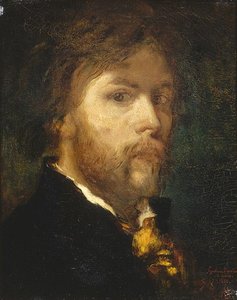
      Giotto

      Explore Gustave Moreau’s captivating ‘Giotto,’ a Symbolist watercolor masterpiece blending mythology & fantasy. Discover its dreamy quality & unique artistic style – a must-see for art lovers!

      اكتشف عالم غوستاف مورو، الرائد في الفن الرمزي! تشتهر لوحاته الأيقونية مثل 'سالومي' و'جوبيتر وسيميلا' بأسلوبها الخيالي والألوان الغنية. استكشف تأثيره العميق على فنون القرن التاسع عشر.

      نسخة زيتية مصنوعة يدوياً

      لوحة زيتية مرسومة يدوياً على الكانفاس بالمقاس والإطار الذي تفضله، تُنفذ حسب الطلب على أيدي فنانينا. ( التبديل إلى المطبوعات التحويل إلى الصورة الرقمية)

      Corner sample of the P118B picture frame: moulded polystyrene, 5 cm wide and 3 cm thick
      P118B 10
      Corner sample of the P118H picture frame: moulded polystyrene, 5 cm wide and 3 cm thick
      P118H 10
      Corner sample of the P118W picture frame: moulded polystyrene, 5 cm wide and 3 cm thick
      P118W 10
      Corner sample of the P438Z picture frame: moulded polystyrene, 5.5 cm wide and 3.5 cm thick
      P438Z 10
      Corner sample of the P508JH picture frame: moulded polystyrene, 7 cm wide and 3.5 cm thick
      P508JH 12
      Corner sample of the P508YH picture frame: moulded polystyrene, 7 cm wide and 3.5 cm thick
      P508YH 12
      Corner sample of the P805H picture frame: moulded polystyrene, 5 cm wide and 3.5 cm thick
      P805H 10
      Corner sample of the P805Z picture frame: moulded polystyrene, 5 cm wide and 3.5 cm thick
      P805Z 10
      Corner sample of the P919BZ picture frame: moulded polystyrene, 7 cm wide and 3.5 cm thick
      P919BZ 10
      Corner sample of the P919G picture frame: moulded polystyrene, 7 cm wide and 3.5 cm thick
      P919G 10
      Corner sample of the P919XJ picture frame: moulded polystyrene, 7 cm wide and 3.5 cm thick
      P919XJ 10
      Corner sample of the P959ZH picture frame: moulded polystyrene, 5 cm wide and 3 cm thick
      P959ZH 10
      Corner sample of the P968JZ picture frame: moulded polystyrene, 6 cm wide and 4 cm thick
      P968JZ 12
      Corner sample of the W106C picture frame: solid wood, 5 cm wide and 3 cm thick
      W106C 8
      Corner sample of the W218G picture frame: solid wood, 5 cm wide and 3 cm thick
      W218G 10
      Corner sample of the W218JH picture frame: solid wood, 5 cm wide and 3 cm thick
      W218JH 8
      Corner sample of the W218Y picture frame: solid wood, 5 cm wide and 3 cm thick
      W218Y 10
      Corner sample of the W307PJ picture frame: solid wood, 6 cm wide and 3 cm thick
      W307PJ 10
      Corner sample of the W316G picture frame: solid wood, 6 cm wide and 3 cm thick
      W316G 10
      Corner sample of the W316PJ picture frame: solid wood, 6 cm wide and 3 cm thick
      W316PJ 8
      Corner sample of the W316Y picture frame: solid wood, 6 cm wide and 3 cm thick
      W316Y 10
      Corner sample of the W398PJ picture frame: solid wood, 5 cm wide and 3 cm thick
      W398PJ 8
      Corner sample of the W4111J picture frame: solid wood, 6.5 cm wide and 3.5 cm thick
      W4111J 10
      Corner sample of the W500HY picture frame: solid wood, 7 cm wide and 5 cm thick
      W500HY 15
      Corner sample of the W500JH picture frame: solid wood, 7 cm wide and 5 cm thick
      W500JH 15
      Corner sample of the W692G picture frame: solid wood, 8 cm wide and 4 cm thick
      W692G 12
      Corner sample of the W849H picture frame: solid wood, 5 cm wide and 3 cm thick
      W849H 8
      Corner sample of the W940BG picture frame: solid wood, 7.5 cm wide and 4.5 cm thick
      W940BG 15
      Corner sample of the W953PJ picture frame: solid wood, 6 cm wide and 3.5 cm thick
      W953PJ 8

      مقاس قياسي
      مخصص
      CM
      INCH

      اختر من بين أحجامنا المُعدّة مسبقاً والتي تتوافق مع النسب الأصلية للعمل الفني.

      العرض
      الارتفاع

      يمكنك إدخال أبعاد خاصة لتناسب إطاراً أو مساحة معينة. وفي حال عدم تطابق الحجم المختار مع نسب الصورة الأصلية، سنقوم إما بقص العمل الفني أو توسيع اللوحة عبر إضافة عناصر مرسومة يدوياً. وسيتم إرسال نموذج رقمي إليك للموافقة عليه قبل بدء عملية الإنتاج.
      يرجى ملاحظة أن المعاينة على الشاشة لا تعكس عملية القص أو التوسيع الفعلية؛ إذ إن النموذج الرقمي هو الوحيد الذي يوضح التكوين النهائي بدقة.
      وعلى الرغم من توفر أحجام مخصصة، إلا أننا نوصي باختيار أبعاد من القائمة المحددة مسبقاً للحفاظ على النسب الأصلية للعمل الفني.

      أمثلة على التعديلات الممكنة: استبدال الوجه بصورة العميل؛ إضافة حيوان أليف (مثل استبدال قطة بكلب)؛ تضمين رسالة مخفية في الخلفية؛ تغيير المناظر الطبيعية أو العناصر في الخلفية.
      بعد إتمام الطلب، سيرسل فريق AllPaintingsStore.com بريداً إلكترونياً للعميل لطلب التعليمات وتزويده بمعاينة تجريبية (mockup).

      توصيل عالمي إلى خلال 3 إلى 4 أسابيع بدلاً من المدة المعتادة البالغة 5 أسابيع. (10 أكتوبر). جودة لا تهاون فيها.

      شحن سريع ومجاني لجميع أنحاء العالم
      قماش كتان فاخر
      تأمين شامل على الشحن
      ضمان استرداد الرسوم الجمركية
      ضمان دقة مطابقة الألوان
      سياسة الإرجاع خلال 100 يوم (في حالات العيوب فقط)
      ضمان استرداد نقدي بنسبة 100%
      عرض خصم الكميات

      إجمالي السعر

      E£ 13245

      Giotto

      وسيط إعادة الإنتاج

      مقاس النسخة المطبوعة

      -

      إجمالي السعر

      E£ 13245

      حقائق سريعة

      • artist: Gustave Moreau
      • year: 1882
      • title: Giotto
      • movement: Symbolism
      • style: Dreamlike, Ethereal
      • medium: Watercolor

      اختبار المعلومات الفنية

      لكل سؤال إجابة صحيحة واحدة فقط.

      سؤال 1:
      To which artistic movement does Gustave Moreau's 'Giotto' primarily belong?
      سؤال 2:
      What medium did Gustave Moreau utilize in the creation of 'Giotto'?
      سؤال 3:
      The composition of 'Giotto' features a central figure surrounded by birds. What overall mood or feeling does this contribute to?
      سؤال 4:
      Gustave Moreau's artistic style was notably influenced by his studies at which institution?

      A Vision of Introspection: Gustave Moreau’s ‘Giotto’

      Gustave Moreau's 1882 watercolor, *Giotto*, is a mesmerizing example of Symbolist art—a movement that sought to express abstract ideas and emotions through evocative imagery rather than strict realism. The painting depicts a solitary female figure, seated in quiet contemplation amidst a subtly rendered landscape. She holds a staff and bowl, attended by birds, creating an atmosphere steeped in tranquility and mystery. This isn’t a portrait of a specific person, but rather an embodiment of artistic inspiration itself, perhaps even a symbolic representation of the early Renaissance painter Giotto di Bondone, whose name Moreau bestows upon the work.

      Artistic Style & Symbolist Roots

      Moreau was a pivotal figure in the Symbolist movement, and *Giotto* perfectly encapsulates its core tenets. Rejecting the prevailing Realism and Impressionism of the time, Symbolists delved into mythology, dreams, and subjective experiences. Moreau’s style is characterized by meticulous detail, rich color palettes (though muted here to enhance the dreamlike quality), and a deliberate ambiguity that invites interpretation. His academic training at the École des Beaux-Arts provided him with technical mastery, which he then bent towards expressing inner worlds rather than simply mirroring external reality. The influence of Italian Renaissance art is also apparent, not only in the title but in the figure’s pose and the overall composition.

      Technique & Materiality

      The choice of watercolor as a medium is crucial to understanding *Giotto*. Unlike the bolder textures achievable with oil paint, watercolor lends itself to ethereal washes and delicate gradations of tone. Moreau expertly utilizes this quality to create a sense of atmosphere and dreaminess. The fluidity of the medium enhances the painting’s introspective mood, suggesting ephemerality and the intangible nature of inspiration. Notice how the light seems to emanate *from* within the figure rather than simply illuminating her surface.

      Decoding the Symbolism

      The symbolism within *Giotto* is layered and open to interpretation. The woman’s seated pose, with legs crossed, suggests a state of meditative calm. The staff could represent authority or guidance, while the bowl might symbolize receptivity – an openness to creative forces. The birds are often associated with freedom, spirituality, and artistic inspiration. The landscape itself, though indistinct, evokes a sense of timelessness and connection to nature. Moreau doesn’t offer easy answers; instead, he presents us with a visual poem that resonates on a subconscious level.

      Historical Context & Legacy

      Created in 1882, *Giotto* reflects the anxieties and spiritual longings of late 19th-century Europe. The rise of industrialization and scientific rationalism led many artists to seek solace in the realm of myth, imagination, and spirituality. Moreau’s work anticipated later movements like Surrealism and continues to inspire artists today. His influence can be seen in the works of Odilon Redon and other Symbolist painters who explored similar themes. Other notable works by Gustave Moreau include *Salome* (at the Musée Gustave Moreau in Paris) and *Europa and the Bull* (at the Wadsworth Athaneum).

      Emotional Impact & Interior Design Considerations

      *Giotto* evokes a sense of quiet contemplation, mystery, and spiritual longing. Its muted color palette and dreamlike quality make it a versatile piece for interior design. It would complement spaces with a romantic or bohemian aesthetic, adding depth and intrigue to living rooms, bedrooms, or studies. A high-quality reproduction allows art lovers to experience the beauty and symbolism of this masterpiece in their own homes.
      • Style: Symbolism, influenced by Italian Renaissance
      • Medium: Watercolor on paper
      • Key Themes: Artistic inspiration, introspection, mythology, spirituality
      • Emotional Tone: Tranquil, mysterious, contemplative
      High-quality reproductions of *Giotto*, and other works by Gustave Moreau, are available, offering a chance to own a piece of art history. Explore more of his captivating oeuvre on AllPaintingsStore.com.

      الأسئلة والأجوبة

      متى تم إنجاز "Giotto"؟

      يعود تاريخ "Giotto" إلى عام 1882، وهو تاريخ يضع العمل ضمن المسيرة المهنية لـ غوستاف مورو وفي سياق حقبته الزمنية.

      إلى أي مرحلة من مراحل تطور غوستاف مورو ينتمي العمل "Giotto"؟

      ينتمي العمل "Giotto" إلى الفترة Mature Period من مسيرة غوستاف مورو المهنية، ويربط هذا التصنيف العمل بمراحل تطور الفنان.

      ما هي الموضوعات التي تظهر في "Giotto" للفنان غوستاف مورو؟

      تتمثل موضوعات "Giotto" في mythological figure, female symbolism, tranquility scene, fantasy art style, classical allusion, introspective mood, bird imagery.

      عن ماذا يتحدث العمل "Giotto"، وما هو الطابع الذي يضفيه؟

      تجمع لوحة "Giotto" للفنان غوستاف مورو بين mythological figure, female symbolism, tranquility scene, fantasy art style, classical allusion, introspective mood, bird imagery وأجواء Ethereal.

      من الذي أبدع "Giotto"؟

      تم إبداع "Giotto" بواسطة غوستاف مورو. وتصف المعلومات الواردة في هذه الصفحة العمل الأصلي لـ غوستاف مورو.

      كم كان عمر غوستاف مورو عند إبداع "Giotto" في عام 1882؟

      عندما أُبدع العمل "Giotto" في عام 1882، كان عمر الفنان غوستاف مورو - المولود في 1826 - هو 56 عاماً.

      ما هي لوحة الألوان واللون الطاغي الذي يميز "Giotto"؟

      تتميز لوحة "Giotto" بمجموعة ألوان تتألف من Neutrals ويبرز فيها اللون Phthalo Green (#2d1818).


      نبذة عن الفنان

      غوستاف مورو: حالم الرمزية ونسّاج الأحلام

      غوستاف مورو، اسم يتردد صداه مع الجمال الأثيري والعمق الغامض للرسم الرمزي، برز في باريس القرن التاسع عشر كصوت فني فريد. ولد عام 1826 في عائلة بورجوازية – كان والده مهندسًا وأرشيفًا – انغمس مورو منذ صغره في الفضول الفكري والحس الجمالي. أظهر موهبة استثنائية للرسم منذ سن مبكرة، وتغذت من خلال التدريب الأكاديمي التقليدي في École des Beaux-Arts تحت قيادة شخصيات مثل فرانسوا-إدوارد بيكو. ومع ذلك، سرعان ما انحرف مسار مورو الفني بشكل حاد عن التيارات السائدة للواقعية والانطباعية في عصره. لم يكن مهتمًا بالتقاط اللحظات العابرة أو الواقع الموضوعي؛ بل سعى إلى فتح عوالم الأساطير والدين والنفس البشرية من خلال لغة بصرية شخصية ورمزية للغاية. كانت رحلته عبارة عن استكشاف ذاتي، حيث ترجم المشاعر الذاتية والآهات الروحية إلى القماش بعناية فائقة وتفصيل دقيق ولوحة نابضة بالحياة وغالبًا ما تكون باذخة.

      تشكيل الخيال: التأثيرات والتطور الفني

      لم يولد التطور الفني لمورو في فراغ. على الرغم من رفضه الاتجاهات السائدة في عصره، فقد استمد الإلهام من مصادر متنوعة. أثر استخدام الألوان الجريء والموضوعات الغريبة في أعمال إوغين ديلاكروا عليه بعمق، مما أشعل فيه شغفًا بالرسم السردي المفعم بالكثافة العاطفية. كما كان يكن احترامًا كبيرًا لأسياد عصر النهضة مثل مايكل أنجلو وليوناردو دا فينشي، معجبًا بإتقانهم للتكوين والتشريح والرؤى النفسية. ومع ذلك، لم يكن مورو يقلد هؤلاء الفنانين ببساطة؛ بل كان يصهر تأثيراتهم في شيء جديد تمامًا. أثبتت رحلاته إلى إيطاليا في خمسينيات القرن التاسع عشر أنها حاسمة، حيث غمره الفن القديم وعصر النهضة، مما وفر له ثروة من الزخارف والإشارات الأسلوبية التي ستملأ أعماله المستقبلية. قام بنسخ رسومات الأساتذة القدامى بدقة متناهية، ليس كتمرين في التكرار، بل كوسيلة لامتصاص تقنياتهم وكشف أسرارهم.

      عالم من الرموز: الموضوعات والتقنيات

      لوحات مورو ليست مجرد رسوم توضيحية للأساطير أو القصص الكتابية؛ إنها استعارات معقدة تدعو إلى التأمل والتفسير. تعمق في السرديات مثل سالومي وأورفيوس ويوبيتر وسيميلا والعديد من غيرها، ليس لإعادة سردها حرفيًا، بل لاستكشاف الحقائق النفسية والروحية الكامنة فيها. لوحاته مليئة بالصور الرمزية - الثعابين التي تمثل الإغراء، والمجوهرات التي تشير إلى الرغبات الدنيوية، والشخصيات التي تجسد مفاهيم مجردة مثل الحزن والخسارة أو الخلاص. لقد أتقن بشكل رائع خلق جو حالم من خلال تفاصيل معقدة وقوام غني ومزيج مزعج غالبًا من الضوء والظل. تميزت تقنية مورو بطبقات متعددة من الطلاء، مما يخلق أسطحًا تتلألأ بألوان قزحية وتثير إحساسًا بالجمال الآخر. لقد أعطى الأولوية لقوة اللون والشكل التعبيرية لنقل المزاج والمعنى على التقاط القوام أو المنظورات الواقعية.

      الإرث والتأثير: قوة الرمزية الدائمة

      على الرغم من استقباله بردود فعل متباينة في البداية، أصبح مورو شخصية مركزية في حركة الرمزية الناشئة خلال ثمانينيات القرن التاسع عشر. على عكس بعض معاصريه الذين سعوا بنشاط إلى جذب الانتباه العام، ظل منعزلاً إلى حد ما، مفضلاً العمل بشكل مستقل وتجنب المناظرات الفنية. ومع ذلك، كان تأثيره لا يمكن إنكاره. في عام 1893، قبل منصبًا تدريسيًا في École des Beaux-Arts، حيث أثر بعمق على أجيال من الفنانين، بمن فيهم هنري ماتيس وجورج ريولو. شجع طلابه على تبني الخيال والرمزية والتعبير الفردي، وحثهم على التحرر من الأعراف الفنية التقليدية. على الرغم من أن الرمزية تضاءلت شعبيتها بعد وفاة مورو عام 1898، إلا أن عمله خضع لإعادة تقييم كبيرة في النصف الثاني من القرن العشرين. يُعتبر اليوم أحد أهم الشخصيات في الحركة وواجهة للفن الحديث. يقف متحف غوستاف مورو، الواقع في الاستوديو والسكن السابقين له في باريس، كشهادة على إرثه الدائم - وهو ملاذ يمكن للزوار فيه الانغماس في عالم هذا الفنان الاستثنائي. لا تزال لوحاته تتردد أصداء لدى الجماهير اليوم، حيث تقدم لمحات إلى أعماق النفس البشرية وتذكرنا بقوة الفن لتجاوز حدود الواقع.

      أعمال بارزة

      • سالومي ترقص أمام هيرودس: ربما تكون هذه اللوحة أشهر أعماله، وهي تجسد أسلوبه الباذخ وافتتانه بالسرديات الكتابية.
      • يوبيتر وسيميلي: تصوير درامي للأساطير اليونانية، يعرض إتقان مورو للتكوين واللون.
      • أورفيوس: استكشف مورو أسطورة أورفيوس في عدة لوحات، مما يعكس موضوعات الخسارة والحزن والإلهام الفني.
      • الظهور: يوضح مهارته في خلق مشاهد أثيرية وخيالية.
      • ديسمونا: تصوير مؤثر للشخصية الرئيسية المأساوية لشكسبير.
      غوستاف مورو

      غوستاف مورو

      1826 - 1898 , فرنسا

      لمحة سريعة

      • أعمال فنية بارزة:
        • سالومي ترقص أمام هيرودس
        • جوبيتر وسميلة
        • أورفيوس
        • الظهور
        • ديزمونا
      • الاسم الكامل: غوستاف مورو
      • الجنسية: فرنسي
      • الحركات الفنية المتأثرة:
        • هنري ماتيس
        • جورج رورو
      • الحركة الفنية: رمزية
      • الفنانون المؤثرون:
        • يوجين ديلاكروا
        • مايكل أنجلو
        • ليوناردو دا فينشي
      • تاريخ الميلاد: 6 أبريل 1826
      • مكان الميلاد: باريس، فرنسا
      استكشف الأعمال الفنية المصنفة حسب الموضوعات والأنماط والخصائص.