


 معاينة الحجم الواقعي
 إرسال
إرسال مشاركة
 عرض التفاصيل
 دليل الأعمال الفنية للطلاب

 تحميل
تحميل
 قطع مشابهة
 الأشعة السينية
 عرض شرائح متتابع
 Q&A
Q&A الإحصائيات
Pieta
 زيت على قماش
- فن جداري
- Symbolist Painting
 1854
1854- أوائل العصور الوسطى
 75.0 x 96.0 cm
 Städel Museum
 اقرأ المزيد
طباعة جيلي / مطبوعات فنية
طباعة جيكلي أو كانفاس بجودة المتاحف، مع سرعة في التنفيذ وخيارات متنوعة للتشطيب. ( اطلب نسخة مرسومة يدويًا التحويل إلى الصورة الرقمية)




P118B E£10

P118H E£10

P118W E£10

P438Z E£10

P508JH E£12

P508YH E£12

P805H E£10

P805Z E£10

P919BZ E£10

P919G E£10

P919XJ E£10

P959ZH E£10

P968JZ E£12

W106C E£8

W218G E£10

W218JH E£8

W218Y E£10

W307PJ E£10

W316G E£10

W316PJ E£8

W316Y E£10

W398PJ E£8

W4111J E£10

W500HY E£15

W500JH E£15

W692G E£12

W849H E£8

W940BG E£15

W953PJ E£8




اختر من بين أحجامنا المُعدّة مسبقاً والتي تتوافق مع النسب الأصلية للعمل الفني.

أدخل العرض والارتفاع اللذين تحتاجهما، ليتناسب مع إطارك أو جدارك. يمكن قص المطبوعة فقط، ولا يمكن أبداً جعلها أكبر من الصورة الأصلية، لذا فإن أي مقاس بشكل مختلف سيؤدي إلى فقدان جزء من الصورة. سنرسل لك نموذجاً رقمياً تجريبياً لاعتماده قبل البدء في عملية الطباعة. الصورة المعروضة في هذه الصفحة لا توضح القص الفعلي — النموذج التجريبي فقط هو ما يظهر ذلك.
توصيل عالمي إلى خلال أسبوعين بدلاً من المدة القياسية البالغة 4/5 أسابيع. (30 أكتوبر)

شحن سريع ومجاني لجميع أنحاء العالم

قماش كتان فاخر

تأمين شامل على الشحن

ضمان استرداد الرسوم الجمركية

ضمان دقة مطابقة الألوان

سياسة الإرجاع خلال 100 يوم (في حالات العيوب فقط)

ضمان استرداد نقدي بنسبة 100%

عرض خصم الكميات
 خيار الزجاج متاح فقط للمقاسات التي تقل عن 110 سم

Pieta
طباعة جيلي / مطبوعات فنية
مقاس النسخة المطبوعة
-


إجمالي السعر
E£ 3346
A Dream Weaver’s Lament: Gustave Moreau's Pieta
Gustave Moreau’s “Pieta,” painted in 1854, isn’t merely a depiction of the Virgin Mary cradling the lifeless body of Christ; it’s an immersion into a realm of potent symbolism and deeply felt sorrow. More than just a religious scene, this work stands as a cornerstone of the Symbolist movement, revealing Moreau's profound interest in exploring the hidden currents of myth, spirituality, and the human psyche—a fascination that permeated his entire artistic career. Housed within the Stadelsches Kunstinstitut in Frankfurt, it’s a painting that continues to resonate with viewers over a century after its creation, inviting contemplation on themes of loss, devotion, and the eternal bond between mother and son.
Moreau, born into a Parisian bourgeois family steeped in artistic tradition—his father an architect and archivist—was never content with the prevailing Realist or Impressionist trends. He sought instead to unlock the mysteries of the subconscious, translating subjective emotions and spiritual yearnings into a visual language uniquely his own. This pursuit led him away from objective representation towards a world of dreamlike imagery, rich symbolism, and an intense emotional charge – qualities powerfully evident in the “Pieta.” The painting’s genesis lies within Moreau's personal reflections on faith and mortality, filtered through his intensely imaginative mind.
Composition and Symbolism: A World of Shadows
Measuring a modest 75 x 96 cm, the “Pieta” is executed in oil on canvas with meticulous detail. The composition immediately draws the eye to Mary’s figure, positioned centrally within the frame, her face etched with an unbearable grief. Christ's body, rendered with a delicate realism that belies its lifelessness, rests gently in her arms. However, it’s not simply a portrait of mourning; Moreau masterfully employs color and light to heighten the emotional impact. The dominant palette is dark—deep blues, purples, and browns—creating an atmosphere of profound solemnity. This darkness is dramatically contrasted by the fiery red sky that dominates the background, evoking both the agony of Christ’s crucifixion and the impending doom of his death.
Adding to the scene's complexity are two ethereal angels positioned on either side of the composition. These figures aren’t merely observers; they represent divine presence and a sense of sorrowful acceptance. Their placement subtly reinforces the narrative, suggesting a higher power witnessing and bearing witness to this profound human tragedy. The intricate details—the folds of Mary’s robe, the texture of Christ's skin, the subtle expressions on the angels’ faces—are hallmarks of Moreau’s meticulous technique, reflecting his dedication to capturing not just likeness but also mood and emotion.
The Language of Symbolism: More Than Meets the Eye
Moreau’s Symbolist style is deeply intertwined with religious iconography, yet he deliberately subverts traditional representations. The red sky, for instance, isn't a literal depiction of the heavens at the time of Christ’s death; it’s a symbolic representation of divine judgment and sorrow. Similarly, Mary’s expression—a mixture of grief, acceptance, and profound love—is far more nuanced than simple sadness. She embodies not just maternal mourning but also a spiritual connection to her son, reflecting the core tenets of Christian faith.
The painting is rich with allusions to classical mythology and medieval art, further enriching its symbolic depth. The angels, reminiscent of figures from Byzantine mosaics, evoke a sense of timelessness and spiritual authority. Moreau’s use of muted colors and dramatic lighting creates an atmosphere of mystery and invites viewers to interpret the scene on a deeply personal level. It's a testament to his ability to infuse religious subject matter with a distinctly Symbolist sensibility—a blend of dreamlike imagery, psychological insight, and profound emotional resonance.
A Legacy of Emotion: Reproductions and Inspiration
Gustave Moreau’s “Pieta” remains a powerfully evocative work of art, captivating viewers with its intense emotion and symbolic depth. Its influence can be seen in the works of artists who followed, including Matisse and Rouault, demonstrating Moreau's pivotal role in shaping the Symbolist movement. Today, AllPaintingsStore offers meticulously crafted hand-painted reproductions that faithfully capture the painting’s beauty and emotional intensity. These reproductions provide a unique opportunity to experience this masterpiece firsthand, bringing its profound symbolism and haunting atmosphere into your home or studio.
Whether you are an art enthusiast, collector, or simply seeking inspiration, Moreau's "Pieta" offers a timeless meditation on grief, faith, and the enduring bond between mother and son. Explore our collection of high-quality reproductions to bring this iconic artwork into your world.
الأسئلة والأجوبة
ما هو الأصل الوطني الذي يقف وراء Symbolist Painting عمل "Pieta"؟
أُنجز العمل الذي ينتمي إلى مدرسة Symbolist Painting بعنوان "Pieta" على يد فنان وُلد في فرنسا.
متى تم إنجاز "Pieta"؟
يعود تاريخ "Pieta" إلى عام 1854، وهو تاريخ يضع العمل ضمن المسيرة المهنية لـ غوستاف مورو وفي سياق حقبته الزمنية.
كيف يمكنني اكتشاف أعمال فنية مشابهة لـ "Pieta" للفنان غوستاف مورو؟
تُجمع الأعمال الفنية المشابهة لـ "Pieta" للفنان غوستاف مورو في صفحة أعمال مشابهة الخاصة بالعمل الفني.
أعمال فنية مشابهة


نبذة عن الفنان
غوستاف مورو: حالم الرمزية ونسّاج الأحلام
غوستاف مورو، اسم يتردد صداه مع الجمال الأثيري والعمق الغامض للرسم الرمزي، برز في باريس القرن التاسع عشر كصوت فني فريد. ولد عام 1826 في عائلة بورجوازية – كان والده مهندسًا وأرشيفًا – انغمس مورو منذ صغره في الفضول الفكري والحس الجمالي. أظهر موهبة استثنائية للرسم منذ سن مبكرة، وتغذت من خلال التدريب الأكاديمي التقليدي في École des Beaux-Arts تحت قيادة شخصيات مثل فرانسوا-إدوارد بيكو. ومع ذلك، سرعان ما انحرف مسار مورو الفني بشكل حاد عن التيارات السائدة للواقعية والانطباعية في عصره. لم يكن مهتمًا بالتقاط اللحظات العابرة أو الواقع الموضوعي؛ بل سعى إلى فتح عوالم الأساطير والدين والنفس البشرية من خلال لغة بصرية شخصية ورمزية للغاية. كانت رحلته عبارة عن استكشاف ذاتي، حيث ترجم المشاعر الذاتية والآهات الروحية إلى القماش بعناية فائقة وتفصيل دقيق ولوحة نابضة بالحياة وغالبًا ما تكون باذخة.تشكيل الخيال: التأثيرات والتطور الفني
لم يولد التطور الفني لمورو في فراغ. على الرغم من رفضه الاتجاهات السائدة في عصره، فقد استمد الإلهام من مصادر متنوعة. أثر استخدام الألوان الجريء والموضوعات الغريبة في أعمال إوغين ديلاكروا عليه بعمق، مما أشعل فيه شغفًا بالرسم السردي المفعم بالكثافة العاطفية. كما كان يكن احترامًا كبيرًا لأسياد عصر النهضة مثل مايكل أنجلو وليوناردو دا فينشي، معجبًا بإتقانهم للتكوين والتشريح والرؤى النفسية. ومع ذلك، لم يكن مورو يقلد هؤلاء الفنانين ببساطة؛ بل كان يصهر تأثيراتهم في شيء جديد تمامًا. أثبتت رحلاته إلى إيطاليا في خمسينيات القرن التاسع عشر أنها حاسمة، حيث غمره الفن القديم وعصر النهضة، مما وفر له ثروة من الزخارف والإشارات الأسلوبية التي ستملأ أعماله المستقبلية. قام بنسخ رسومات الأساتذة القدامى بدقة متناهية، ليس كتمرين في التكرار، بل كوسيلة لامتصاص تقنياتهم وكشف أسرارهم.عالم من الرموز: الموضوعات والتقنيات
لوحات مورو ليست مجرد رسوم توضيحية للأساطير أو القصص الكتابية؛ إنها استعارات معقدة تدعو إلى التأمل والتفسير. تعمق في السرديات مثل سالومي وأورفيوس ويوبيتر وسيميلا والعديد من غيرها، ليس لإعادة سردها حرفيًا، بل لاستكشاف الحقائق النفسية والروحية الكامنة فيها. لوحاته مليئة بالصور الرمزية - الثعابين التي تمثل الإغراء، والمجوهرات التي تشير إلى الرغبات الدنيوية، والشخصيات التي تجسد مفاهيم مجردة مثل الحزن والخسارة أو الخلاص. لقد أتقن بشكل رائع خلق جو حالم من خلال تفاصيل معقدة وقوام غني ومزيج مزعج غالبًا من الضوء والظل. تميزت تقنية مورو بطبقات متعددة من الطلاء، مما يخلق أسطحًا تتلألأ بألوان قزحية وتثير إحساسًا بالجمال الآخر. لقد أعطى الأولوية لقوة اللون والشكل التعبيرية لنقل المزاج والمعنى على التقاط القوام أو المنظورات الواقعية.الإرث والتأثير: قوة الرمزية الدائمة
على الرغم من استقباله بردود فعل متباينة في البداية، أصبح مورو شخصية مركزية في حركة الرمزية الناشئة خلال ثمانينيات القرن التاسع عشر. على عكس بعض معاصريه الذين سعوا بنشاط إلى جذب الانتباه العام، ظل منعزلاً إلى حد ما، مفضلاً العمل بشكل مستقل وتجنب المناظرات الفنية. ومع ذلك، كان تأثيره لا يمكن إنكاره. في عام 1893، قبل منصبًا تدريسيًا في École des Beaux-Arts، حيث أثر بعمق على أجيال من الفنانين، بمن فيهم هنري ماتيس وجورج ريولو. شجع طلابه على تبني الخيال والرمزية والتعبير الفردي، وحثهم على التحرر من الأعراف الفنية التقليدية. على الرغم من أن الرمزية تضاءلت شعبيتها بعد وفاة مورو عام 1898، إلا أن عمله خضع لإعادة تقييم كبيرة في النصف الثاني من القرن العشرين. يُعتبر اليوم أحد أهم الشخصيات في الحركة وواجهة للفن الحديث. يقف متحف غوستاف مورو، الواقع في الاستوديو والسكن السابقين له في باريس، كشهادة على إرثه الدائم - وهو ملاذ يمكن للزوار فيه الانغماس في عالم هذا الفنان الاستثنائي. لا تزال لوحاته تتردد أصداء لدى الجماهير اليوم، حيث تقدم لمحات إلى أعماق النفس البشرية وتذكرنا بقوة الفن لتجاوز حدود الواقع.أعمال بارزة
- سالومي ترقص أمام هيرودس: ربما تكون هذه اللوحة أشهر أعماله، وهي تجسد أسلوبه الباذخ وافتتانه بالسرديات الكتابية.
- يوبيتر وسيميلي: تصوير درامي للأساطير اليونانية، يعرض إتقان مورو للتكوين واللون.
- أورفيوس: استكشف مورو أسطورة أورفيوس في عدة لوحات، مما يعكس موضوعات الخسارة والحزن والإلهام الفني.
- الظهور: يوضح مهارته في خلق مشاهد أثيرية وخيالية.
- ديسمونا: تصوير مؤثر للشخصية الرئيسية المأساوية لشكسبير.
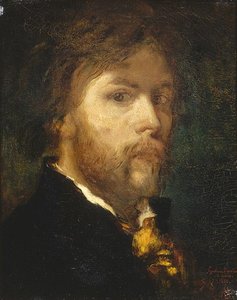
غوستاف مورو
1826 - 1898 , فرنسا
لمحة سريعة
- أعمال فنية بارزة:
- سالومي ترقص أمام هيرودس
- جوبيتر وسميلة
- أورفيوس
- الظهور
- ديزمونا
- الاسم الكامل: غوستاف مورو
- الجنسية: فرنسي
- الحركات الفنية المتأثرة:
- هنري ماتيس
- جورج رورو
- الحركة الفنية: رمزية
- الفنانون المؤثرون:
- يوجين ديلاكروا
- مايكل أنجلو
- ليوناردو دا فينشي
- تاريخ الميلاد: 6 أبريل 1826
- مكان الميلاد: باريس، فرنسا
مقالات ذات صلة
أعمال غوستاف كليمت الخالدة: 25 تحفة فنية تزين منزلك بجمال الأرت نوفو
اكتشف 25 تحفة فنية لغوستاف كليمت، رائد الأرت نوفو. استكشف قصص لوحاته الذهبية الشهيرة، ورموزيته العميقة، وتأثيره الخالد في عالم الفن والديكور. احصل على إعادة إنتاج عالية الجودة من AllPaintingsStore.com.

Gustave Moreau: Symbolism's Enigmatic Visionary & Precursors of Modern Fantasy Art
Explore the captivating world of Gustave Moreau, the leading Symbolist painter. Discover his iconic masterpieces, influences, and lasting legacy. Expert analysis for collectors & art enthusiasts.

أروع 25 لوحة لفرا أنجليكو: تحف فنية لتزيين منزلك بإشراق سماوي
اكتشف روعة 25 لوحة لفرا أنجليكو، فنان عصر النهضة الإيطالي. استكشف قصصًا فنية وتقنيات زيتية آسرة وألوانًا سماوية. احصل على نسخ فاخرة لتزيين منزلك بجمال خالد. اكتشف جميع الروائع على AllPaintingsStore.com

Divine Grace: A Journey Through the Most Iconic Depictions of the Virgin Mary in Art History
Embark on a profound journey through art history with our exploration of the most iconic depictions of the Virgin Mary. Discover the divine grace, symbolism, and masterful techniques found in Renaissance masterpieces and sacred iconography.

Divine Grace: An Art Historian's Journey Through Iconic Masterpieces of the Virgin Mary
Explore the profound beauty of Marian iconography through an art historian's lens. Discover iconic masterpieces by Raphael and Renaissance masters, celebrating the divine grace and timeless elegance of the Virgin Mary in classical fine art.


