


 معاينة الحجم الواقعي

 مشاركة
 مشاركة
 التفاصيل
 دليل


 تحميل الملف
 قطع مشابهة
 الأشعة السينية
 عرض شرائح
 الأسئلة والأجوبة
 الإحصائيات
Hammock


 عرض المزيد
طباعة جيلي / مطبوعات فنية
طباعة جيكلي أو كانفاس بجودة المتاحف، مع سرعة في التنفيذ وخيارات متنوعة للتشطيب. ( شراء لوحة مرسومة يدويًا الانتقال إلى الصورة الرقمية)
P118B E£10
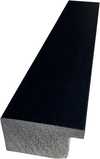
P118H E£10
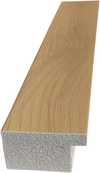
P118W E£10
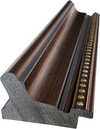
P438Z E£10
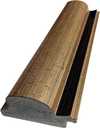
P508JH E£12

P508YH E£12
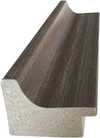
P805H E£10
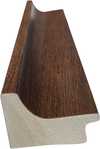
P805Z E£10
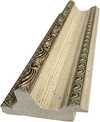
P919BZ E£10
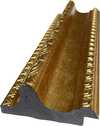
P919G E£10
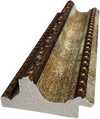
P919XJ E£10
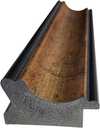
P959ZH E£10
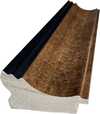
P968JZ E£12
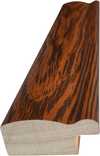
W106C E£8
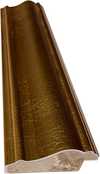
W218G E£10
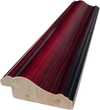
W218JH E£8
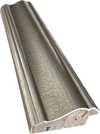
W218Y E£10
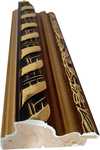
W307PJ E£10

W316G E£10
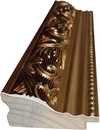
W316PJ E£8
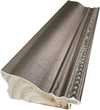
W316Y E£10
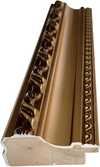
W398PJ E£8
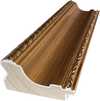
W4111J E£10
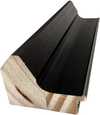
W500HY E£15
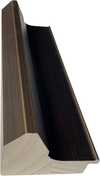
W500JH E£15
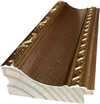
W692G E£12
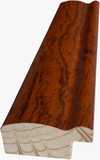
W849H E£8
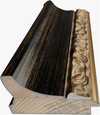
W940BG E£15
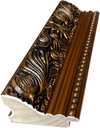
W953PJ E£8
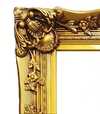
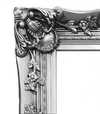
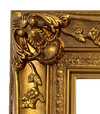
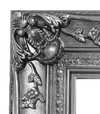
اختر من بين أحجامنا المُعدّة مسبقاً والتي تتوافق مع النسب الأصلية للعمل الفني.

أدخل العرض والارتفاع المطلوبين ليتناسب المقاس مع إطارك أو جدارك. يرجى الملاحظة أن المطبوعة يمكن قصها فقط ولا يمكن تكبيرها لتتجاوز أبعاد الصورة الأصلية، لذا فإن اختيار مقاس بأبعاد مختلفة سيؤدي إلى فقدان جزء من الصورة. سنرسل لك نموذجاً رقمياً تجريبياً لاعتماده قبل البدء في عملية الطباعة. الصورة المعروضة في هذه الصفحة لا توضح شكل القص الفعلي — النموذج التجريبي فقط هو ما يظهر ذلك بدقة.
توصيل عالمي إلى خلال أسبوعين بدلاً من المدة القياسية البالغة 4/5 أسابيع. (18 نوفمبر)

شحن سريع ومجاني لجميع أنحاء العالم

قماش كتان عالي الجودة

تأمين شامل على الشحن

ضمان استرداد الرسوم الجمركية

ضمان مطابقة الألوان الحقيقية

سياسة الإرجاع خلال 100 يوم (في حالات العيوب فقط)

ضمان استرداد نقدي بنسبة 100%

خصم عند طلب كميات
 خيار الزجاج متاح فقط للمقاسات التي تقل عن 110 سم

Hammock
طباعة جيلي / مطبوعات فنية
مقاس النسخة المطبوعة
-


إجمالي السعر النهائي
E£ 3542
A Vision of Serenity
In his 1923 masterpiece, Hammock, Henri Lebasque invites the viewer into a luminous realm of domestic tranquility. This oil on canvas is far more than a mere depiction of a woman at rest; it is a profound exploration of light and color that captures the very essence of a fleeting, idyllic moment. Through his signature Impressionistic brushwork, Lebasque transforms a simple scene of leisure into a poetic meditation on peace. The composition is defined by a sense of rhythmic harmony, where the soft, dappled sunlight filtering through the trees dances across the canvas, creating a visual symphony of warmth and repose.
The subject, a young woman seated comfortably within the embrace of a hammock, serves as the emotional anchor of the work. Her relaxed posture evokes a sense of profound contentment, offering a quiet escape from the complexities of the modern world. Lebasque’s mastery of color is particularly evident in his use of complementary hues—vibrant reds and yellows—which create a balanced and harmonious tension against the lush, textured foliage. This interplay of light and shade, rendered with thick impasto, imbues the scene with a tactile richness that draws the observer into its serene, sun-drenched atmosphere.
Visual Composition and Details
The artwork features a woman positioned in a hammock strung between two trees. The hammock itself is characterized by its distinct red, yellow, and blue stripes. Surrounding the central figure, the scene is enriched by the presence of two potted plants, one situated on the left and another on the right. Additionally, a vase is placed near the bottom left corner of the composition.
Technical Details:
- Medium: Oil on canvas
- Date: 1923
- Inscriptions: Signed and dated lower right: Lebasque 23
الأسئلة والأجوبة
هل ألوان "Hammock" زاهية أم خافتة؟
تتميز لوحة "Hammock" للفنان هنري ليباسك بدرجة تشبع تبلغ Subtle Color وكثافة لونية تصل إلى Balanced.
ما هي التقنية والأسلوب اللذان يميزان "Hammock" للفنان هنري ليباسك؟
تُنفذ لوحة "Hammock" باستخدام Acrylic On Canvas، وبأسلوب Post-Impressionist Landscape.
هل تُعد "Hammock" نموذجاً لما اعتاد هنري ليباسك على إبداعه عادةً؟
يصور "Hammock" موضوعات outdoor relaxation, female figure, hammock motif, floral arrangement, color palette, summer scene, decorative art، بينما تتمثل الثيمات المتكررة لدى هنري ليباسك في lebasque’s impressionistic style, domestic tranquility & beauty, symbolic floral decoration, celebration of leisure life, reflecting parisian charm. وتُظهر المقارنة بينهما مدى ارتباط هذا العمل بالموضوعات المعتادة للفنان.
أعمال فنية ذات صلة


السيرة الذاتية للفنان
A Painter of Joy and Light: The Life and Art of Henri Lebasque
Henri Lebasque, a name perhaps less immediately recognized than some of his Post-Impressionist contemporaries, nevertheless occupies a significant place in the artistic landscape of early 20th-century France. Born in Champigné, Maine-et-Loire, in 1865, Lebasque’s journey toward becoming a celebrated painter was one marked by diligent study, evolving influences, and an unwavering commitment to capturing beauty in everyday life. His early education at the École régionale des beaux-arts d'Angers provided a foundational grounding, but it was his move to Paris in 1886 that truly ignited his artistic development. There, under the tutelage of Léon Bonnat and through assisting Ferdinand Humbert with decorative murals at the Panthéon, he honed his technical skills while immersing himself in the vibrant Parisian art scene. This period proved crucial, bringing him into contact with pivotal figures like Camille Pissarro and Auguste Renoir, whose emphasis on light and color would profoundly shape his aesthetic sensibilities.Embracing Intimacy: Influences and Artistic Development
Lebasque’s artistic trajectory wasn't solely defined by the established masters; it was equally influenced by a younger generation of artists pushing the boundaries of painting. His association with Les Nabis, particularly Édouard Vuillard and Pierre Bonnard, proved transformative. These Intimist painters prioritized domestic scenes and intimate moments, fostering in Lebasque a similar inclination toward capturing the quiet poetry of everyday existence. The Nabis’ emphasis on flattened forms, decorative patterns, and subtle color harmonies resonated deeply with his own artistic inclinations. Simultaneously, exposure to the theories of Georges Seurat and Paul Signac introduced him to the principles of Chromoluminarism – the scientific application of complementary colors to create luminous effects. This knowledge became a cornerstone of his technique, allowing him to imbue his canvases with an extraordinary vibrancy and sense of light. He wasn’t merely replicating what he saw; he was interpreting it through a lens of color and emotion, creating scenes that felt both familiar and dreamlike. Lebasque's artistic vision stemmed from a profound appreciation for the beauty found in ordinary life—a fascination that would become central to his oeuvre. Observing the rhythms of daily existence, particularly within domestic interiors, he sought to distill essence into visual form. This approach aligned seamlessly with the tenets of Impressionism and solidified his connection to luminist painters like Seurat and Signac, who championed the use of scientific color theory to illuminate canvases. The resulting artworks are characterized by a serene atmosphere and harmonious palettes—a deliberate departure from grand historical narratives or dramatic allegories. Instead, Lebasque presented glimpses into intimate moments—family portraits bathed in soft light, leisurely gatherings amidst verdant landscapes—capturing fleeting impressions with remarkable grace and sensitivity.A Palette of Serenity: Themes and Techniques
The hallmark of Lebasque's work lies in its serene atmosphere and harmonious palette. He found inspiration in the simple pleasures of life – family portraits, leisurely moments in gardens, landscapes bathed in sunlight. His paintings are not grand historical narratives or dramatic allegories; instead, they offer glimpses into intimate domesticity and the beauty of the natural world. Madame Lebasque and Her Daughters exemplifies his ability to capture a tender moment with remarkable grace and sensitivity. The figures are rendered with soft brushstrokes and bathed in warm light, creating an atmosphere of peaceful contentment. He skillfully employed complementary color pairings – blues and oranges, reds and greens – to create visual excitement while maintaining an overall sense of harmony. Works like Rest on the Banks of the Yaudet demonstrate his mastery of landscape painting, capturing the tranquility of nature with a delicate touch. His technique involved building up layers of thin, translucent paint—a method that allowed for subtle shifts in color and luminosity—resulting in canvases imbued with an ethereal quality. Lebasque’s meticulous attention to detail—particularly in rendering fabrics and textures—further enhanced the realism of his compositions without sacrificing their expressive power. This dedication to craft—combined with a keen understanding of visual perception—established him as one of the foremost practitioners of Impressionist art.Legacy and Recognition: A Lasting Impression
Throughout his career, Lebasque enjoyed considerable success, participating in prestigious exhibitions such as the Salon d’Automne – which he helped found alongside Henri Matisse – and the Salon des Indépendants. He even received commissions for decorative projects, including work at the Champs-Élysées theatre and on transatlantic liners. His paintings are now held in numerous prominent museum collections, including the Musée d’Orsay in Paris, the Petit Palais in Geneva, and museums in Lille and Nantes—a testament to his enduring artistic significance. While perhaps not as widely celebrated as some of his more avant-garde contemporaries, Henri Lebasque's contribution to Post-Impressionism is undeniable. He offered a unique vision – one that prioritized beauty, harmony, and the quiet joys of everyday life. His paintings continue to resonate with viewers today—a reminder that art possesses the capacity to transcend time and connect us to something truly timeless.
هنري ليباسك
1865 - 1937 , فرنسا
حقائق سريعة
- Artistic Movement Or Style: الرومانسية النائمة
- Artists Or Movements Influenced By This Artist:
- إدوارد فياليد
- أوغست رينوار
- Artists Who Influenced This Artist:
- إدوارد فياليد
- أوغست رينوار
- Date Of Birth: 25 سبتمبر 1865
- Date Of Death: 7 أغسطس 1937
- Full Name: هنري روسو
- Nationality: فرنسي
- Notable Artworks:
- السيجاريتة
- يا junge في الغابة
- Place Of Birth: مدينة لو كاتو كامبريس الصغيرة، فرنسا
مقالات ذات صلة

Mastering Abstraction: The Top 25 Essential Works by Wassily Kandinsky
Explore 25 iconic Kandinsky masterpieces and the birth of abstraction. Discover the full collection online at AllPaintingsStore.com.

Mastering Light: The 25 Most Iconic Landscapes by Jean-Baptiste-Camille Corot
Immerse yourself in the serene landscapes of Jean-Baptiste-Camille Corot. Explore 25 iconic masterpieces of the Barbizon school, from misty forests to golden light. Find inspiration for museum-quality art reproductions and decor. Discover all masterpieces on AllPaintingsStore.com.

Mastering the Machine Age: The Top 25 Fernand Léger Artworks
Immerse yourself in the vibrant world of Fernand Léger. Explore 25 iconic Cubist masterpieces, from bold Tubism to machine-age aesthetics. Find inspiration for your decor with museum-quality art reproductions. Discover all masterpieces on AllPaintingsStore.com.