ضمان استرداد الأموال خلال ١٠٠ يوم شحن مجاني حول العالم
449564الأعمال الفنية 30613الفنانون 4658المتاحف 32اللغات
بيانات الكتالوج

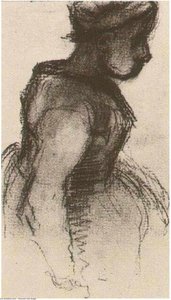
Lullaby Sleeping Head

.

شكل ١. هنري مور, Lullaby Sleeping Head. تظهر كما هي النسخة المحددة التي اخترتها: , .

§ 1بيانات الكتالوج

§ 2تجريدي

وصف القطعة المقتناة

Experience tenderness and care in Henry Moore's 'Lullaby Sleeping Head.' This evocative drawing captures a peaceful moment between a man and child, showcasing Moore’s signature abstract style. Explore the iconic British sculptor's legacy.

السيرة الذاتية للفنان

استكشف عالم هنري مور (1898-1986)، النحات البريطاني الرائد بأعماله المجردة المتميزة، مثل الأشكال المستلقية ومواضيع الأم والطفل. أحدث مور ثورة في النحت البريطاني الحديث وأثر في جيل كامل من الفنانين.

§ 3تعليق

A Tender Moment Captured: Henry Moore's "Lullaby Sleeping Head"

This evocative black and white drawing, “Lullaby Sleeping Head,” offers a poignant glimpse into the intimate bond between a parent and child. Created by the renowned British sculptor Henry Moore, this work transcends mere depiction; it’s an exploration of comfort, protection, and the profound tenderness inherent in nurturing relationships. While primarily known for his monumental sculptures, this drawing reveals another facet of Moore's artistic genius – his ability to distill complex emotions into deceptively simple forms. The image portrays a man gently cradling a sleeping child, their figures intertwined in a posture of serene repose. The man’s robe-like garment envelops both figures, creating a sense of warmth and security. The detail afforded to the man's face—his eyes and mouth—suggests quiet contemplation and unwavering care, while the partially obscured face of the sleeping child amplifies the feeling of vulnerability and trust.

Style & Technique: A Sculptor’s Perspective

Moore’s artistic style is immediately recognizable even in this two-dimensional medium. Though he's celebrated for his three-dimensional works, here we see a direct translation of his sculptural principles. The drawing exhibits the hallmarks of Moore’s approach to form – simplification and abstraction. He doesn't strive for photographic realism; instead, he focuses on capturing the essence of the figures through carefully rendered lines and shading. This technique, rooted in direct carving—a method he championed—allows him to convey volume and weight despite the absence of physical depth. The use of black and white enhances the drawing’s emotional intensity, stripping away color distractions and focusing attention on the interplay of light and shadow that defines the forms. It's a testament to Moore’s mastery that he can evoke such powerful emotion with such economical means.

Historical Context & Recurring Themes

“Lullaby Sleeping Head” was created during Moore’s prolific career, which spanned from the 1920s until his death in 1986. His work is deeply embedded within the context of Modernism, reacting against traditional representational art while simultaneously exploring universal human themes. Moore frequently depicted the mother-and-child motif throughout his oeuvre, recognizing its symbolic power as a representation of primal connection and enduring love. This drawing aligns with that recurring theme, but offers a unique perspective by portraying the father’s role in nurturing—a shift reflecting evolving societal roles during the mid-20th century. The post-war period saw a renewed emphasis on family and domesticity, and Moore's work often reflected these changing values.

Symbolism & Emotional Impact

Beyond its literal depiction, “Lullaby Sleeping Head” resonates with profound symbolic meaning. The act of cradling—the protective embrace—represents security, vulnerability, and unconditional love. The sleeping child symbolizes innocence and trust, while the man embodies strength and guardianship. The absence of a detailed background further emphasizes the intimacy of the moment, drawing the viewer’s attention solely to the relationship between these two figures. The overall emotional impact is one of quiet serenity and profound tenderness—a universal expression of parental love that transcends cultural boundaries. This piece invites contemplation on the enduring power of human connection and the beauty found in simple, everyday moments.

الأسئلة والأجوبة

إلى أي أسلوب ينتمي "Lullaby Sleeping Head"؟

تنتمي لوحة "Lullaby Sleeping Head" للفنان هنري مور إلى حركة Modernism الفنية، ويضع هذا التصنيف العمل ضمن سياق مجموعة من الفنانين والأعمال الفنية ذات الصلة.

هل يُعرف هنري مور، مبدع "Lullaby Sleeping Head"، بأسماء أخرى؟

يُعرف هنري مور، مبدع "Lullaby Sleeping Head"، أيضاً بأسماء أخرى تشمل هنري سبنسر مور، هنري لي مور.

هل توجد ورقة حقائق حول "Lullaby Sleeping Head" للفنان هنري مور مخصصة للطلاب؟

يُعد دليل "Lullaby Sleeping Head" صفحة دليل تعليمي الخاصة بالعمل الفني؛ وهي ورقة حقائق قابلة للطباعة تستعرض العمل الفني مع شرحه، وسطر الائتمان، وجدول البيانات التعريفية (الفنان، التواريخ، الوسيط، الحجم الأصلي، والمجموعة).

§ 4الفنان

هنري مور

هنري مور

1898 - 1986, المملكة المتحدة

حقائق سريعة عن هنري مور

  • Artistic Movement Or Style: التعبيرية الفرنسية، النحت المجرد
  • Artists Who Influenced This Artist: ['إدوارد كانينجز"، "بيير مكيسي']
  • Date Of Birth: ٣٠ يوليو ١٨٩٨
  • Date Of Death: ٣١ أغسطس ١٩٨٦
  • Full Name: هنري مور
  • Nationality: بريطانية
  • Notable Artworks: ['شكل مستلقٍ"، "رسومات المأوى"، "المارّة والطفل']
  • Place Of Birth: كاستلفراد، المملكة المتحدة

السيرة الذاتية للفنان

Henry Moore: Sculptor of Form and Emotion

Henry Spencer Moore, born in the Yorkshire mining town of Castleford on July 30, 1898, stands as one of Britain’s most revered sculptors of the twentieth century. His life was shaped by a profound engagement with artistic exploration—a journey from humble beginnings to global acclaim fueled by an unwavering dedication to capturing the essence of human experience and the beauty inherent in natural forms. From his early fascination with modeling clay and carving wood, Moore demonstrated an innate talent that foreshadowed the remarkable trajectory of his career.

Early Influences and Artistic Formation

Moore’s formative years were marked by a steadfast belief in education instilled by his father—a self-taught man who championed intellectual curiosity and steered him away from traditional trades toward formal schooling. Even as a young boy, he exhibited an exceptional aptitude for artistic endeavors, particularly sculpting, demonstrating a sensitivity to texture and form that would become central to his distinctive style. His studies at Leeds School of Art and subsequently the Royal College of Art in London exposed him to the transformative ideas of classical sculpture and modern movements like Cubism—influences that irrevocably shaped his artistic vision. However, Moore transcended mere stylistic imitation; he synthesized these diverse inspirations into a singular aesthetic expression characterized by profound emotional depth.

The Embrace of Abstraction and Landscape

A pivotal encounter in 1925 during a trip to Mexico ignited Moore’s passion for abstraction—specifically the monumental sculptures of the Aztec civilization. The simplicity and geometric precision of Aztec art liberated him from representational constraints, prompting him to explore forms devoid of literal depiction yet brimming with expressive power. This period witnessed the genesis of his signature style: semi-abstract sculptures distinguished by rounded, organic shapes—often punctuated by voids or apertures—that interacted dynamically with light and space. Moore’s artistic sensibility was deeply rooted in the Yorkshire landscape—the rolling hills and windswept moors that served as constant source of inspiration. He sought to convey not just visual impressions but also intangible feelings—a sense of serenity, vulnerability, and connection to the natural world.

The Reclining Figure: A Symbol of Tranquility

Moore’s artistic legacy rests primarily upon his exploration of the *reclining figure*, which became synonymous with his name. These sculptures are not merely representations of repose; they are meditations on form, volume, and the relationship between the human body and its surroundings—a deliberate departure from conventional anatomical accuracy. The undulating curves characteristic of reclining figures evoke a timelessness that transcends cultural boundaries, conveying a profound sense of peace and contemplation. Furthermore, Moore’s sculptures frequently incorporate openings or voids—strategic incisions that invite viewers to consider the interplay between light and shadow—enhancing their expressive qualities and deepening their symbolic resonance.

Recognition and Enduring Impact

Throughout his illustrious career, Moore received numerous commissions from prominent institutions—allowing him to realize ambitious sculptural projects that transformed urban spaces and captivated audiences worldwide. He firmly believed that art should serve as a catalyst for dialogue and understanding—actively championing accessibility and fostering artistic innovation. His monumental bronzes stand as enduring emblems of human creativity—testaments to his unwavering commitment to capturing the essence of human experience and conveying profound emotional truths. Henry Moore’s influence on subsequent generations of sculptors is undeniable—he challenged prevailing aesthetic conventions and championed abstraction as a means of expressing complex ideas—leaving an indelible mark on the history of modern art.
  • Notable Sculptures: Reclining Figure, Family Group, Shelter Drawings
  • Influential Movements: Modernism, Cubism
  • Key Themes: Human Form, Landscape, Tranquility

§ 5أعمال مشابهة

§ 6الأسئلة

معلومات سريعة

  • Influences: Direct carving method
  • Artist: Henry Moore
  • Subject or theme: Parent and child, tenderness
  • Notable elements or techniques: Detailed facial features

اختبار الفنون

لكل سؤال إجابة صحيحة واحدة فقط.

سؤال 1:
What is the primary subject matter depicted in Henry Moore’s ‘Lullaby Sleeping Head’?
سؤال 2:
Based on the description, what is a notable characteristic of Moore's artistic style evident in this drawing?
سؤال 3:
The image is described as being in black and white. What does this suggest about the artwork’s original form?
سؤال 4:
Henry Moore is known for recurring themes in his work. Which of the following best reflects this?

§ 7اقتبس هذا المدخل

AllPaintingsStore.com, “هنري مور, Lullaby Sleeping Head”, https://allpaintingsstore.com/ar/art/henry-moore-lullaby-sleeping-head-8EWJ5K-en/ArtistReproduction/ (تاريخ الاطلاع 11 أكتوبر 2026).

§ 8النسخة المطبوعة

نسخة زيتية مرسومة يدوياً

لوحة زيتية مرسومة يدوياً على الكانفاس بالمقاس والإطار الذي تفضله، تُنفذ حسب الطلب على أيدي فنانينا. ( التبديل إلى نسخة مطبوعة الانتقال إلى الصورة الرقمية)

مُبينٌ في هامش ورقة الطلب؛ وتأتي الحالة الراهنة لتلك الورقة على النحو التالي.

Lullaby Sleeping Head

خامة النسخة المطبوعة

مقاس النسخة المطبوعة

-

نخبة كبار الفنانين

مزيد من التفاصيل، والبراعة، ووقت إضافي للإنتاج

-

إطار النسخة المطبوعة

-

-

بالنسبة للأعمال الفنية أو النسخ المطبوعة التي يتجاوز طول أي من أضلاعها 105 سم (حوالي 41 بوصة)، سيتم شحن الإطار كمجموعة مفككة؛ حيث تضمن هذه الطريقة سلامة التوصيل وتمنع حدوث أي أضرار أثناء النقل.

يتطلب الأمر تجميعاً احترافياً - هذا المنتج ليس مخصصاً للتركيب الذاتي.
يجب تجميع المجموعة وشد القماش بواسطة فني إطارات محترف وخبير، باستخدام غراء الخشب (غير مرفق)، وكماشة شد القماش، وملاقط لتثبيت القضبان بشكل مستوٍ أثناء جفاف الغراء. إن التجميع غير الصحيح أو عدم توازن شد القماش قد يؤدي إلى تلف العمل الفني بشكل دائم، وهو أمر لا يغطيه الضمان الخاص بنا.

  • تتضمن المجموعة جميع القطع الخشبية الصلبة، والمقطعة بدقة لتناسب المقاسات المطلوبة.

  • يتم التجميع باستخدام البراغي المرفقة، بالإضافة إلى غراء الخشب للوصلات الزاوية، وهو غير مرفق ويجب توفيره من قبل فني التأطير الخاص بك.

  • تتطلب العملية استخدام أدوات احترافية غير مدرجة في المجموعة: مثل زرادية شد القماش (أداة شد) وملاقط لتثبيت القضبان بشكل مستوٍ أثناء جفاف الغراء.

تنبيه هام:
تتطلب الوصلات الزاوية استخدام غراء الخشب، كما يجب تثبيت القضبان باستخدام المشابك حتى يجف الغراء تماماً، ويتطلب شد القماش على الإطار المجمع استخدام كماشة شد القماش. لا تشتمل المجموعة على أي من هذه الأدوات؛ لذا يرجى التواصل مع فني تأطير محترف قبل طلب هذا المقاس.

بطاقة التعريف

-

-

ورنيش واقٍ

ورنيش لامع (يُبرز الألوان ويحمي من الضوء والرطوبة)

-

تخصيص عملي الفني

أمثلة على التعديلات المتاحة: استبدال الوجه بصورة العميل؛ إضافة حيوان أليف (مثل استبدال قطة بكلب)؛ إدراج رسالة مخفية في الخلفية؛ تغيير المناظر الطبيعية أو العناصر في الخلفية.

-

شحن سريع

توصيل عالمي إلى خلال 3-4 أسابيع بدلاً من المدة المعتادة البالغة 5 أسابيع. (8 نوفمبر). جودة لا تضاهى.

-

شحن سريع

توصيل عالمي إلى خلال 5 أسابيع. (15 نوفمبر).

مُضمَّن

إجمالي السعر النهائي

E£ 13514

مرفق مع كل طلب

  • شحن سريع ومجاني لجميع أنحاء العالم
  • قماش كتان عالي الجودة
  • تأمين شامل على الشحن
  • ضمان استرداد الرسوم الجمركية
  • ضمان مطابقة الألوان الحقيقية
  • سياسة الإرجاع خلال 100 يوم (في حالات العيوب فقط)
  • ضمان استرداد نقدي بنسبة 100%
  • خصم عند طلب كميات
نموذج الطلب