


 معاينة الحجم الواقعي

 مشاركة
 مشاركة
 التفاصيل
 دليل


 تحميل الملف
 قطع مشابهة
 الأشعة السينية
 عرض شرائح
 الأسئلة والأجوبة
 الإحصائيات
Christ Tormented by Demons

 عرض المزيد
احصل على ملف جاهز للطباعة يتجاوز بمراحل جودة المعاينة عبر الإنترنت؛ فكل صورة رقمية نبيعها مستمدة من نسخة أصلية عالية الدقة في قاعدة بياناتنا — يتراوح عرضها عادةً بين 5,000 إلى 15,000 بكسل — مما يتيح لك الطباعة بأحجام كبيرة، أو الاقتصاص بدقة، أو إعادة إنتاج التفاصيل الدقيقة بكل ثقة.
لا تخرج أي صورة من استوديو الخاص بنا دون أن تمر بعملية معالجة دقيقة؛ حيث يقوم خبير رقمي بمطابقة الألوان مع اللوحة الأصلية وتصحيحها عند الضرورة، ثم يعمل على تحسين الوضوح والتفاصيل باستخدام أدوات ترميم احترافية — مع الحفاظ دائماً على أمانة نقل ضربات فرشاة الفنان وأسلوبه. والنتيجة هي صورة تبدو كأنها اللوحة ذاتها، وليست مجرد مسح ضوئي خاضع للفلاتر.
تتم عملية الاعتماد قبل الإتمام النهائي: حيث يرسل خبيرنا الصورة عبر البريد الإلكتروني في غضون 72 ساعة لمراجعتها من قبلك. هل لم تنل النتيجة إعجابك؟ يمكنك طلب تحسينات أو تصحيحات، أو طلب استرداد الأموال إذا لم تكن الجودة بالمستوى المطلوب.
هذه هي الجودة التي يعتمد عليها الناشرون، واستوديوهات التصميم، والمعارض، والمطابع.
صورة رقمية
حمّل ملفاً عالي الدقة للعرض الشخصي، والطباعة، والمشاريع الإبداعية. ( التبديل إلى نسخة مطبوعة شراء لوحة مرسومة يدويًا)
مزايا مُضمّنة مع كل طلب صورة رقمية
تسليم رقمي احترافي ومضمون
عندما تختار AllPaintingsStore.com، فأنت لا تحصل على مجرد صورة فحسب، بل ستحصل على عمل فني رقمي مُحسّن باحترافية، صُمم بدقة متناهية ومصحوب بضمان الرضا. إليك كل ما يتضمنه طلبك تلقائياً:

تسليم سريع عبر البريد الإلكتروني
ستصلك ملفات صورك الرقمية عالية الدقة عبر البريد الإلكتروني في غضون 72 ساعة من إتمام الطلب - لتكون جاهزة للاستخدام الفوري.

ملف رقمي مُعزز بالذكاء الاصطناعي
يتم تحسين عملك الفني باحترافية باستخدام أدوات الذكاء الاصطناعي المتقدمة والتحرير اليدوي، لضمان أقصى درجات التفاصيل والوضوح ودقة الألوان.

إعادة إرسال مجانية مدى الحياة
هل حذفت ملفك أو فقدته عن طريق الخطأ؟ لا تقلق - سنعيد إرساله إليك في أي وقت، مجاناً.

بدون رسوم استيراد - على الإطلاق
استمتع بأعمالك الفنية فوراً دون أي رسوم جمركية أو ضرائب أو مصاريف شحن - فالتحميلات الرقمية دائماً ما تكون معفاة من الضرائب.

ضمان دقة الألوان
نضمن لك دقة انعكاس الألوان الأصلية في صورتك الرقمية بأقصى قدر ممكن، وذلك باستخدام أدوات احترافية وتقنيات متطورة لإدارة الألوان.

ضمان الرضا لمدة 100 يوم
إذا لم تكن راضياً عن صورتك الرقمية، فسنقوم بتعديلها أو استرداد 100% من قيمتها خلال 100 يوم - دون طرح أي أسئلة.

ضمان استرداد نقدي بنسبة 100%
لم تكن راضياً؟ استرد كامل المبلغ خلال 100 يوم من استلام ملفك الرقمي - دون طرح أي أسئلة.

خصومات الطلبات الكبيرة
اشتري 3 صور، ووفر 10% - اشتري 5، ووفر 15% - اشتري +10، ووفر 20%. مثالية للمشاريع الإبداعية، والمعارض، والوكالات.
James Ensor’s Disturbing Vision of Suffering
James Ensor (1860 – 1949), a Belgian artist whose career spanned over eight decades, remains an enigmatic figure in the annals of Expressionism. Born in Ostend, a coastal town steeped in maritime tradition and cultural exchange between England and Belgium, Ensor’s formative years instilled within him a profound appreciation for theatricality and visual spectacle—influences that would irrevocably shape his artistic output.
- Subject Matter: The painting depicts Christ crucified, a familiar motif of Christian iconography but rendered with unsettling realism. However, Ensor doesn’t portray Jesus as a serene martyr; instead, he presents him as tormented by demonic forces, capturing the visceral horror of crucifixion in a manner strikingly unconventional for its time.
- Style: Ensor's style is undeniably Expressionist, prioritizing emotional intensity over meticulous representation. He eschewed academic conventions, favoring bold brushstrokes and jarring color palettes to convey psychological states rather than objective observation. This deliberate rejection of traditional aesthetics aligns him firmly with the burgeoning avant-garde movement that sought to express inner turmoil and societal anxieties.
- Technique: Ensor employed oil paint on canvas, utilizing a technique characterized by thick impasto—a layering of pigment onto the surface that creates palpable texture. The artist’s deliberate manipulation of brushstrokes contributes significantly to the painting's dramatic effect, emphasizing movement and conveying a sense of unease.
Historical Context: A Reflection of Anxiety
Created in 1895, “Christ Tormented by Demons” emerged during a period marked by intellectual ferment and social upheaval. The Symbolist movement was gaining momentum, challenging prevailing Victorian ideals with explorations of subconsciousness and mythic narratives. Simultaneously, anxieties surrounding spiritual decline and the encroaching influence of materialism fueled artistic responses that mirrored these concerns. Ensor’s depiction of Christ embodies this spirit—a confrontation with suffering not merely as a theological concept but as an inescapable human experience.
- Symbolism: The painting overflows with symbolic imagery. The cross itself represents Christian faith, yet it is overlaid with grotesque demons symbolizing evil and despair. The surrounding figures – angels and men – further complicate the narrative, suggesting conflicting interpretations of morality and redemption.
- Emotional Impact: Ensor’s masterful use of color—primarily muted reds and yellows—intensifies the painting's emotional impact. These hues evoke feelings of pain, fear, and vulnerability, mirroring the psychological torment experienced by Christ. The artist compels viewers to confront uncomfortable truths about human suffering and the pervasive presence of darkness within the human psyche.
A Legacy of Unease
"Christ Tormented by Demons" stands as a testament to Ensor’s unwavering commitment to artistic innovation and his willingness to challenge societal norms. It remains a powerfully disturbing image, prompting ongoing debate about its interpretation and enduring relevance. Its influence can be seen in subsequent Expressionist artists who similarly sought to depict the darker side of human existence with uncompromising honesty.
- Contemporary Relevance: Ensor’s exploration of psychological torment continues to resonate with audiences today, reminding us that art possesses the capacity to confront uncomfortable realities and provoke profound introspection.
- Interior Design Inspiration: The painting's dramatic palette and textural surface can serve as inspiration for creating spaces imbued with mood and atmosphere—particularly those aiming for a gothic or unsettling aesthetic.
الأسئلة والأجوبة
هل يتوفر عرض مسبق بتقنية الواقع المعزز لـ "Christ Tormented by Demons"؟
تتوفر ميزة المعاينة بالواقع المعزز لـ "Christ Tormented by Demons": حيث تعرض صفحة معاينة بتقنية الواقع المعزز العمل الفني في مساحتك الخاصة عبر جهاز متوافق.
ما هي لوحة الألوان وما هو الشعور الذي يجسده "Christ Tormented by Demons"؟
تتناغم لوحة ألوان Neutrals في عمل "Christ Tormented by Demons" للفنان جيمس إنسور مع نبرته العاطفية Dramatic؛ فاللون أحد السبل التي يعبّر بها العمل الفني عن المشاعر.
ما هو اللون الطاغي على "Christ Tormented by Demons"؟
اللون السائد في "Christ Tormented by Demons" للفنان جيمس إنسور هو Ochre to Sepia، وهو اللون الذي يشكل النغمة الأساسية لمجموعة الألوان المستخدمة.
أعمال فنية ذات صلة


السيرة الذاتية للفنان
Early Life, Family and Artistic Training
James Ensor was born on April 13, 1860, in Ostend, Belgium. His identity was shaped by a specific cultural intersection: his father, James Frederic Ensor, was born in Brussels to English parents, while his mother, Maria Catherina Haegheman, was Belgian. This dual heritage provided a foundation for a perspective that often sat outside the narrow confines of local tradition. Growing up, the artist lived within the walls of a souvenir shop operated by his parents in Ostend. This environment was not merely a place of residence but a repository of the strange and the ornamental. The shop was filled with shells, carnival masks, and peculiar objects that provided a visual vocabulary for his later work.
His formal education in art was a process of trial and error. Before entering the structured environment of the academy, he began his artistic training under two local painters. This early instruction provided the technical groundwork that he would later manipulate and distort. From 1877 to 1880, he attended the Académie Royale des Beaux-Arts in Brussels. Even within these academic walls, his interests remained distinct from the rigid expectations of the institution. He was not a student of the status quo; he was a student of the objects that surrounded him in Ostend.
The Evolution of His Artistic Style
Ensor’s early output lacked the psychological friction that defines his mature work. In pieces like Russian Music (1881) and The Drunkards (1883), he worked within a somber, realistic framework. These compositions relied on muted tones and traditional depictions of everyday life. They show an artist still tethered to the gravity of realism before his visual language underwent a radical shift. He eventually abandoned this restraint, opting instead for a palette that brightened significantly as his subject matter grew increasingly bizarre.
The shift toward the grotesque was driven by a specific fascination with the mask. He was drawn to the plastic forms and the intense colors of the carnival masks found in his family's souvenir shop. These objects were not mere props; they became central to his aesthetic. He integrated them into his still lifes to introduce a theatrical quality, using them to disrupt the domesticity of the scene. This move toward the irrational allowed him to move beyond simple representation into a space of psychological tension.
- The Scandalized Masks (1883)
- The Oyster Eater (1882/1883)
- The Man of Sorrows (1891)
Key Works and Major Themes
Ensor’s preoccupation with the mask and the grotesque provides a direct link to the psychological tensions of the modern era. In The Scandalized Masks (1883), he established an early interest in the power of disguise, using the carnival motif to strip away social pretenses. This fascination with the theatrical and the unsettling was not a mere stylistic choice but a method of exploring identity. His 1882 work The Oyster Eater demonstrates a different facet of his ability to handle light and color, depicting his sister Mitche in a scene that challenged the conservative sensibilities of the Antwerp Salon. The painting’s rejection by the establishment highlights the friction between his vision and the rigid norms of the time.
The artist’s shift toward more aggressive, expressive forms is most evident in his monumental compositions. Christ's Entry Into Brussels (1888-1889) functions as a forerunner of twentieth-century Expressionism, utilizing a chaotic, brightly-colored procession of grotesque figures to parody modern society. This sense of existential struggle is furthered in The Man of Sorrows (1891), an oil painting that combines the suffering of Christ with the jarring imagery of a Japanese Noh theatre mask. Such works reveal a man using religious and allegorical themes to express a profound frustration with human behavior and societal indifference.
Mortality and the absurdity of existence remain central to his output. Skeletons Fighting over a Hanged Man (1891) uses skeletal figures to confront the viewer with the reality of decay and death. These recurring themes of sin, temptation, and the fragility of appearances ensure his work remains a potent subject for study. His ability to synthesize these dark, often uncomfortable truths into a coherent visual language is what defines his contribution to the transition toward modernism.
Where to See His Works Today
Ensor’s presence in major international collections confirms his lasting impact on the development of modernism. In Antwerp, the Royal Museum of Fine Arts holds two significant works: The Man of Sorrows and The Oyster Eater. These pieces demonstrate the technical range of an artist who could move from religious tension to domestic scenes. His influence extends across the Atlantic, where the Museum of Modern Art in New York City preserves Tribulations of Saint Anthony. This work remains a primary example of his shift toward the bizarre and the psychological.
The reach of his imagery is global. The Getty Center in Los Angeles houses Entry of Christ into Brussels, a massive composition that captures his most aggressive social critiques. Meanwhile, the Kimbell Art Museum in Fort Worth maintains Skeletons Warming Themselves. These scattered locations ensure that his visual language, defined by its refusal to adhere to academic norms, remains accessible to a diverse audience of scholars and observers.
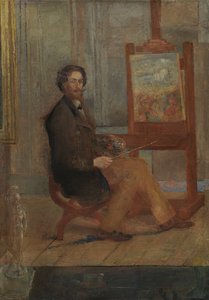
جيمس إنسور
1860 - 1949 , بلجيكا
لمحة سريعة
- أعمال فنية بارزة:
- دخول المسيح إلى بروكسل
- رجل الآلام
- آكلة المحار
- ابتلاءات القديس أنطونيوس
- هياكل عظمية تتصارع على رجل مشنوق
- الاسم الكامل: جيمس سيدوي إيدوارد إنسور
- الجنسية: بلجيكي
- الحركة الفنية أو الأسلوب:
- الرمزية
- التعبيرية
- الفنانون أو الحركات المتأثرة بهذا الفنان:
- التعبيرية
- السريالية
- الفنانون الذين أثروا في هذا الفنان:
- بيتر بروجيل الأكبر
- فرانسيسكو غويا
- جيمس أبوت مكنيل ويستلر
- تاريخ الميلاد: 1860
- تاريخ الوفاة: 1949
- مكان الميلاد: أوستند، بلجيكا