معاينة الحجم الواقعي
 إرسال
إرسال مشاركة
 عرض التفاصيل
 دليل الأعمال الفنية للطلاب

 تحميل
تحميل
 قطع مشابهة
 الأشعة السينية
 عرض شرائح متتابع
 Q&A
Q&A الإحصائيات
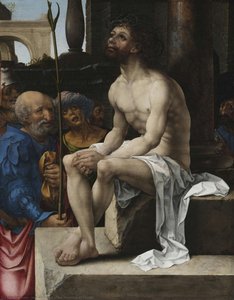
إهدار المسيح
 أكريليك على كانفاس
- لوحات جدارية
- Renaissance Mannerism
 1507
1507 51.0 x 40.0 cm
 Szépművészeti Múzeum
 اقرأ المزيد
طباعة جيلي / مطبوعات فنية
طباعة جيكلي أو كانفاس بجودة المتاحف، مع سرعة في التنفيذ وخيارات متنوعة للتشطيب. ( اطلب نسخة مرسومة يدويًا التحويل إلى الصورة الرقمية)




P118B E£10

P118H E£10

P118W E£10

P438Z E£10

P508JH E£12

P508YH E£12

P805H E£10

P805Z E£10

P919BZ E£10

P919G E£10

P919XJ E£10

P959ZH E£10

P968JZ E£12

W106C E£8

W218G E£10

W218JH E£8

W218Y E£10

W307PJ E£10

W316G E£10

W316PJ E£8

W316Y E£10

W398PJ E£8

W4111J E£10

W500HY E£15

W500JH E£15

W692G E£12

W849H E£8

W940BG E£15

W953PJ E£8




اختر من بين أحجامنا المُعدّة مسبقاً والتي تتوافق مع النسب الأصلية للعمل الفني.

أدخل العرض والارتفاع اللذين تحتاجهما، ليتناسب مع إطارك أو جدارك. يمكن قص المطبوعة فقط، ولا يمكن أبداً جعلها أكبر من الصورة الأصلية، لذا فإن أي مقاس بشكل مختلف سيؤدي إلى فقدان جزء من الصورة. سنرسل لك نموذجاً رقمياً تجريبياً لاعتماده قبل البدء في عملية الطباعة. الصورة المعروضة في هذه الصفحة لا توضح القص الفعلي — النموذج التجريبي فقط هو ما يظهر ذلك.
توصيل عالمي إلى خلال أسبوعين بدلاً من المدة القياسية البالغة 4/5 أسابيع. (30 أكتوبر)

شحن سريع ومجاني لجميع أنحاء العالم

قماش كتان فاخر

تأمين شامل على الشحن

ضمان استرداد الرسوم الجمركية

ضمان دقة مطابقة الألوان

سياسة الإرجاع خلال 100 يوم (في حالات العيوب فقط)

ضمان استرداد نقدي بنسبة 100%

عرض خصم الكميات
 خيار الزجاج متاح فقط للمقاسات التي تقل عن 110 سم

إهدار المسيح
طباعة جيلي / مطبوعات فنية
مقاس النسخة المطبوعة
-


إجمالي السعر
E£ 3346
إطلالة على لوحة "المحاكمة المسيحية" لجانس غوساريت
تُعد اللوحة التي رسمها جان غوساريت، المعروف باسم مابوس، تحفة فنية فريدة تجسد لحظة مؤثرة في تاريخ الفن المسيحي والديانة الغربية بأكملها. هذه ليست مجرد صورة للرجل الذي عُرف بالمحاكمة المسيحية، بل هي تعبير عميق عن الألم الروحي والتضحية الإلهية، وتُعتبر من أبرز أعمال مابوس التي تميز أسلوبه المميز وتجعله أحد أهم الفنانين في عصر النهضة المبكرة.الخلفية التاريخية والأسلوب الفني
ظهر غوساريت في فترة شهدت تحولًا كبيرًا في المشهد الفني الأوروبي، حيث استلهمت حركة النهضة الإيطالية تأثيرًا قويًا على الفنون الشمالية، وتحديدًا في بلجيكا وهولندا. كان مابوس من أوائل الفنانين الذين قاموا بدمج عناصر الأسلوب الإيطالي والأسلوب النورديجي، مُحدثًا ثورة حقيقية في التعبير البصري، وتقديم رؤى جديدة عن التصوير الديني وعلاقة الإنسان بالإيمان. اللوحة التي بين أيدينا تعكس هذا التأثير بشكل واضح، حيث يظهر أسلوبه كخليط بين التفاصيل الواقعية والدقة التقنية، مع التركيز على الإضاءة والتظليل لخلق جو من الدراما والعمق العاطفي.تفاصيل الرسم والتقنية المستخدمة
تتميز اللوحة بتطبيق تقنية الزيت على الخشب بشكل متقن، حيث استخدم غوساريت طبقات متعددة من الألوان لإضفاء الحيوية على الصورة وتحديد الخطوط الهندسية بدقة عالية، مما يعكس مستوى الإتقان الذي كان يتمتع به الفنان في ذلك العصر. يُظهر الرسم تفاصيل دقيقة للمحاكمة المسيحية، بدءًا من تعابير وجه يسوع التي تنقل الألم والتضحية، وصولًا إلى ردود أفعال الجنود الذين يمثلون القوة والسلطة، وتحديدًا محاكمة يسوع بالضرب واللعنات، وهي لمحة عن الصعوبات التي واجهها المسيح في سبيل الدفاع عن الإيمان والحق. كما أن استخدام الألوان الباردة والدافئة بشكل متوازن يخلق توازناً بصرياً يركز على المشاعر العميقة ويضفي على اللوحة طابعًا إيمانيًا قويًا.الرمزية والتعبير العاطفي
تُعد اللوحة أكثر من مجرد تصوير للحدث التاريخي، بل هي استكشاف للتعبيرات الروحية والإنسانية التي تتجاوز حدود الزمان والمكان. يمثل يسوع في اللوحة رمزًا للتضحية الإلهية والرحمة المسيحية، بينما يجسد الجنود القوة والسلطة التي كانت تستخدم ضد المسيح، وتُعتبر هذه اللوحة دعوة للتأمل والتفكير في معنى العذاب والإيمان، وإلى تقدير الجمال الذي يمكن أن ينبع من الألم والتحدي. إن الإضاءة الدرامية التي استخدمها غوساريت تزيد من تأثير اللوحة العاطفي، حيث تسلط الضوء على تعابير وجه يسوع وتبرز تفاصيل المحاكمة، مما يدعو المشاهد إلى الشعور بالأسى والحزن والتعاطف مع المخلص المسيح.إرث اللوحة وأهميتها الفنية
تُعتبر اللوحة من أهم الأعمال التي تميز حركة النهضة الإيطالية في النصف الثاني من القرن الخامس عشر، وتُعد نموذجًا للجمال والتعبير البصري الذي كان يسعى إليه الفنانون في ذلك العصر. لا تزال اللوحة تُدرس وتحلل من قبل المؤرخين والفنانين حتى يومنا هذا، وتُعتبر مصدر إلهام للعديد من الفنانين الذين استلهموا منها أساليب جديدة وتعبيرات فنية مبتكرة. إنها تحفة فنية خالدة تجسد روح العصر وتُظهر قدرة الفن على التعبير عن المشاعر الإنسانية الأعمق، وتُذكرنا بأهمية القيم الروحية والإيمان في تاريخ البشرية.الأسئلة والأجوبة
من الذي يبيع نسخاً مرسومة يدوياً من "إهدار المسيح" للفنان Jan Gossaert؟
تتوفر نسخة "إهدار المسيح" المرسومة يدوياً عبر نسخة زيتية مرسومة يدوياً على قماش الكتان. ويمكن تقديم الطلب من خلال صفحة نسخة زيتية مرسومة يدوياً، مع إمكانية اختيار أحجام مختلفة.
من الذي أبدع "إهدار المسيح" وبأي أسلوب نُفذت؟
أبدع Jan Gossaert لوحة "إهدار المسيح" بأسلوب Renaissance Mannerism. ويحدد الفنان والمدرسة الفنية التراث الذي ينتمي إليه هذا العمل.
هل تبدو ألوان "إهدار المسيح" قوية أم هادئة؟
تتميز الألوان في "إهدار المسيح" للفنان Jan Gossaert بكثافة أحادية اللون.
أعمال فنية مشابهة


نبذة عن الفنان
The Shadowed Canvas: Exploring the Life and Art of an Unknown Master
The name Elias Thorne remains largely obscured within the annals of 16th-century European art, a deliberate anonymity that perhaps mirrors the complex and often melancholic nature of his work. Born in the small, rain-swept village of Oakhaven, nestled on the fringes of the Black Forest in 1503, Thorne’s early life offers little in the way of documented detail – whispers suggest a childhood marked by solitude and an unusual fascination with the natural world, particularly the interplay of light and shadow. His father was a woodcarver, imparting a foundational understanding of form and texture, while his mother, a herbalist, instilled within him a deep reverence for the subtle beauty found in decay and transformation – themes that would become central to Thorne’s artistic vision.
Thorne's formal training is shrouded in mystery. Unlike many artists of his era who apprenticed under established masters, he seems to have been largely self-taught, a characteristic that profoundly shaped the unique character of his paintings. He spent several years traveling throughout Germany and Switzerland, absorbing influences from the burgeoning Renaissance movement while simultaneously developing a distinct style – one characterized by an almost obsessive attention to detail, a muted palette dominated by browns, grays, and deep blues, and a haunting sense of atmosphere. Unlike the vibrant colors favored by his contemporaries, Thorne deliberately employed shadows not as mere absences of light, but as active participants in the narrative of each scene.
A Palette of Grief and Reflection
Thorne’s artistic output was remarkably modest – fewer than thirty paintings survive, scattered across private collections and small museums. Yet, within this limited body of work lies a remarkable depth of emotional resonance. His subjects rarely depict grand historical events or idealized portraits; instead, he focused on scenes of quiet contemplation, moments of profound sorrow, and the inevitable passage of time. Recurring motifs include solitary figures – often women – gazing out from darkened interiors, decaying landscapes, and still lifes featuring wilting flowers and weathered fruit. These images are not merely representations of reality but rather explorations of the human condition, imbued with a palpable sense of melancholy and introspection.
- Notable Works: “The Weaver’s Lament,” “The Forgotten Chapel,” “Still Life with Dying Lilies,” “Portrait of an Unknown Woman (Shadowed),” “Winter’s Embrace.”
- Technique: Thorne was a master of *sfumato*, utilizing subtle gradations of tone and color to create a hazy, dreamlike quality. His brushwork is meticulous yet understated, prioritizing atmosphere over sharp detail. He favored oil paints on wood panels, lending a rich texture and depth to his canvases.
Influences and Artistic Roots
While Thorne’s style remains distinctly his own, it's clear that he was influenced by several key artistic currents of the period. The late Gothic traditions of Northern Europe – particularly the intricate detail and symbolic imagery found in medieval altarpieces – are evident in his compositions. Furthermore, there is a discernible connection to the work of Hans Holbein the Younger, particularly his use of light and shadow to create dramatic effects. However, Thorne transcends mere imitation; he synthesizes these influences into a profoundly personal vision.
Beyond art, Thorne’s life was deeply intertwined with folklore and local legends. The Black Forest itself played a significant role in shaping his artistic sensibility – its dense forests, ancient ruins, and whispered tales of forgotten spirits provided a constant source of inspiration. Local beliefs surrounding death, mourning, and the afterlife are subtly woven into the narratives depicted in his paintings.
Legacy and Historical Significance
Despite his obscurity during his lifetime, Elias Thorne’s work has experienced a quiet resurgence of interest in recent decades. Art historians now recognize him as a pivotal figure in the development of Northern European painting – a precursor to the Baroque era's emphasis on dramatic lighting and emotional intensity. His paintings are not celebrated for their technical brilliance or historical importance but rather for their profound psychological depth and haunting beauty. Thorne’s art serves as a poignant reminder that true artistic genius often resides not in grand gestures, but in the quiet contemplation of human experience.
His work offers a unique window into the anxieties and uncertainties of 16th-century Europe – a period marked by religious upheaval, political instability, and widespread social unrest. Thorne’s paintings reflect this atmosphere of unease, capturing not just the outward appearance of reality but also the underlying currents of sorrow, loss, and longing that shaped the lives of ordinary people.
Further Exploration
For further research into Elias Thorne's life and work, consider exploring these resources:
- The website of the Kunstmuseum Bern (Bern Art Museum) – which houses several examples of his paintings.
- Academic articles on Northern European painting from scholarly journals such as *Art History* and *Renaissance Quarterly*.

Jan Gossaert
1532 , Belgium
لمحة سريعة
- Date Of Death: 1532
- Place Of Birth: Maubeuge, Belgium
- Notable Artworks:
- Evelyne Axell
- Joav BarEl
- Thomas Bayrle
- Artistic Movement Or Style: World Goes Pop
مقالات ذات صلة

Mastering Etching: A Professional Guide to Intaglio Printmaking Techniques for High-End Interior Curation
Master the intricate techniques of intaglio etching with our professional guide. Discover how fine-line printmaking adds depth and sophistication to luxury hotel interiors through high-quality, museum-grade reproductions for large-scale design projects.