


 معاينة الحجم الحقيقي
 مشاركة
 مشاركة
 التفاصيل
 الدليل

 تحميل الملف
 قطع مشابهة
 الأشعة السينية
 عرض شرائح
 الإحصائيات
Soissons Seen from Mr. Henry's Factory


 عرض المزيد
نسخة زيتية مصنوعة يدوياً
لوحة زيتية مرسومة يدوياً على الكانفاس بالمقاس والإطار الذي تفضله، تُنفذ حسب الطلب على أيدي فنانينا. ( التحويل إلى المطبوعات الانتقال إلى الصورة الرقمية)




P118B $10

P118H $10

P118W $10

P438Z $10

P508JH $12

P508YH $12

P805H $10

P805Z $10

P919BZ $10

P919G $10

P919XJ $10

P959ZH $10

P968JZ $12

W106C $8

W218G $10

W218JH $8

W218Y $10

W307PJ $10

W316G $10

W316PJ $8

W316Y $10

W398PJ $8

W4111J $10

W500HY $15

W500JH $15

W692G $12

W849H $8

W940BG $15

W953PJ $8




اختر من بين أحجامنا المُعدّة مسبقًا والتي تتطابق مع النسب الأصلية للعمل الفني.

يمكنك إدخال أبعادك الخاصة لتناسب إطارًا معينًا أو مساحة محددة. وإذا لم يتطابق الحجم الذي اخترته مع نسب الصورة الأصلية، فسنقوم إما بقص العمل الفني أو توسيع اللوحة بإضافة عناصر مرسومة يدويًا. سيتم إرسال نموذج رقمي إليك للموافقة عليه قبل بدء الإنتاج.
يرجى ملاحظة أن المعاينة على الشاشة لا تعكس عملية القص أو التوسيع الفعلية؛ حيث إن النموذج الرقمي وحده هو الذي سيوضح التكوين النهائي بدقة.
وعلى الرغم من توفر أحجام مخصصة، إلا أننا نوصي باختيار أبعاد من القائمة المحددة مسبقًا للحفاظ على النسب الأصلية للعمل الفني.
بعد إتمام الطلب، سيرسل فريق AllPaintingsStore.com بريداً إلكترونياً للعميل لطلب التعليمات وتزويده بمعاينة تجريبية (mockup).
توصيل عالمي إلى خلال 3 إلى 4 أسابيع بدلاً من المدة المعتادة البالغة 5 أسابيع. (21 سبتمبر). جودة لا تهاون فيها.

شحن سريع ومجاني لجميع أنحاء العالم

قماش كتان عالي الجودة

تأمين شحن شامل

ضمان استرداد الرسوم الجمركية

ضمان مطابقة الألوان الحقيقية

سياسة الإرجاع خلال 100 يوم (في حالات العيوب فقط)

ضمان استرداد نقدي بنسبة 100%

خصم عند طلب عدة قطع
 خيار الزجاج متاح فقط للمقاسات التي تقل عن 110 سم

Soissons Seen from Mr. Henry's Factory
خامة إعادة الإنتاج
مقاس النسخة المطبوعة
-


السعر الإجمالي النهائي
$ 258
A Moment of Rural Tranquility: Corot’s “Soissons Seen from Mr. Henry’s Factory”
Jean-Baptiste-Camille Corot's "Soissons Seen from Mr. Henry’s Factory," painted in 1833, isn’t a grand historical scene or a dramatic portrait; rather, it’s a quietly profound meditation on the relationship between humanity and nature. This landscape, born from Corot’s deep immersion in the French countryside – an upbringing that began with him entrusted to a nurse outside Paris – captures a fleeting moment of rural life along the Seine River. The painting depicts a small town nestled amongst rolling hills, dominated by the industrial presence of Mr. Henry's factory, yet framed within a composition that prioritizes atmospheric harmony and the subtle beauty of light. It’s a testament to Corot’s ability to find poetry in the commonplace, transforming an ordinary scene into something deeply resonant.
Corot was a pivotal figure bridging the Neoclassical formality of his predecessors with the burgeoning Impressionist movement. Unlike many landscape painters who sought to meticulously replicate reality, Corot favored capturing the *impression* of light and atmosphere – the way it shifts and changes throughout the day. This is immediately evident in “Soissons,” where the colors are muted and blended, creating a hazy, dreamlike quality. The brushstrokes are loose and visible, almost dissolving into the overall texture of the painting, further emphasizing this sense of atmospheric depth. He wasn’t interested in precise detail but rather in conveying the *feeling* of being present within that specific place at that particular time.
The Industrial Edge and a Human Presence
The factory itself – a significant element in Corot's work, though often subtly integrated – introduces an intriguing tension into the scene. It’s not depicted as a symbol of progress or power, but rather as a somewhat imposing presence against the backdrop of nature. The building is rendered with a certain solidity, yet it doesn’t dominate the composition; instead, it recedes slightly into the distance, suggesting its relative insignificance compared to the vastness of the landscape. A man on horseback, traversing a dirt road near the factory, provides a vital human element – a small figure navigating this space between industry and nature.
Several other figures are scattered throughout the scene: individuals walking along the road, others standing still, creating a sense of everyday life unfolding within this rural setting. These details aren’t meticulously rendered; they're suggested through fleeting gestures and subtle groupings, contributing to the painting’s overall feeling of quiet observation. The presence of horses – both near the factory and further in the distance – reinforces the connection between people and the land, highlighting a traditional way of life.
Light, Color, and Corot’s Signature Style
Corot's masterful use of light is arguably the painting’s most compelling feature. He employs a technique known as *plein air* painting – working directly outdoors to capture the effects of natural light. This approach allowed him to accurately represent the nuances of color and shadow, creating a remarkably realistic depiction of the landscape. The sky is rendered in delicate shades of blue and gray, while the distant hills are bathed in a soft, diffused light. Notice how he uses broken brushstrokes to create a sense of shimmering atmosphere – particularly evident in the reflections on the river and the hazy outlines of the buildings.
The color palette is restrained, dominated by earthy tones—ochres, browns, greens, and grays—that evoke the textures and hues of the surrounding countryside. These muted colors are punctuated by subtle highlights of blue and purple, adding depth and complexity to the composition. Corot’s skill lies in his ability to create a sense of harmony between these disparate elements, resulting in a painting that is both visually appealing and emotionally evocative.
A Legacy of Atmospheric Impressionism
"Soissons Seen from Mr. Henry’s Factory" exemplifies Corot's lasting contribution to the development of landscape painting. It represents a shift away from academic conventions towards a more subjective and expressive approach, anticipating the innovations of the Impressionists who would follow. The painting’s emphasis on light, atmosphere, and the fleeting beauty of nature continues to resonate with viewers today, reminding us of the profound connection between humanity and the natural world. Reproductions of this work offer a remarkable opportunity to experience Corot's unique vision – a testament to his ability to capture the essence of a place and time through the subtle language of color and light.
أعمال فنية ذات صلة


السيرة الذاتية للفنان
نشأة فنان في قلب باريس: حياة كاميل كوروت
في قلب باريس الصاخبة، وُلد جان باتيست كاميل كوروت في السادس عشر من يوليو عام 1796، لأسرة بورجوازية ميسورة الحال. لم يكن طريقه الفني مفروضًا عليه؛ فبعد محاولات فاشلة في عالم التجارة، وجد نفسه مدفوعًا بقوة داخلية لا تقاوم نحو الرسم. كانت طفولته المبكرة، التي قضاها في رعاية خادمة في الريف بالقرب من إيل-آدام، بمثابة بذرة زرعت في داخله حبًا عميقًا للطبيعة، وهو الحب الذي سيشكل جوهر فنه لاحقًا. على الرغم من أن والديه، اللذين كانا يمتلكان متجرًا ناجحًا للأزياء النسائية، لم يشجعا في البداية هذا المسار الفني، إلا أنهم دعموه ماليًا، مما سمح له بتكريس نفسه للفن دون ضغوط مالية. هذه البيئة الفريدة، التي جمعت بين الحياة الحضرية المرموقة والاتصال العميق بالطبيعة، أثرت بشكل كبير على رؤيته الفنية وتطويره.من التدريب الأكاديمي إلى الابتكار في الرسم الخارجي
بدأ كوروت تدريبه الفني التقليدي تحت إشراف آشيل إتينا ميشالون وجان فكتور بيرتين، وهما رسامان بارزان يمثلان المدرسة الكلاسيكية الجديدة. هذا التدريب أكسبه فهمًا عميقًا للتكوين والشكل، مع التركيز على الوضوح والبنية. ومع ذلك، لم يكن كوروت راضيًا عن مجرد تكرار الأساليب القائمة؛ فقد سعى إلى طريقة أكثر أصالة للتعبير عن تجربته الشخصية للطبيعة. كانت رحلته الأولى إلى إيطاليا في عام 1825 نقطة تحول حاسمة. ألهبت سهول رومانية المضاءة بضوء ذهبي، وتاريخها العريق خياله. أمضى سنوات في الرسم والتدوين في الهواء الطلق – وهي ممارسة كانت تعتبر غير تقليدية في ذلك الوقت – مما سمح له بالتقاط الفروق الدقيقة للضوء والجو الذي سيصبح علامة مميزة لأسلوبه. لم يكن يهدف إلى تسجيل التفاصيل الطبوغرافية فحسب، بل سعى إلى استحضار مزاج معين، وشعور بالهدوء والتناغم.جسر بين التقاليد
لم يكن تطور كوروت الفني خطيًا؛ بل كان توازنًا دقيقًا بين التقليد والابتكار. عرض أعماله بانتظام في صالون باريس، وحصل في البداية على اعتراف لأعماله المتأثرة بالمعايير الكلاسيكية الجديدة. ومع ذلك، مع استمراره في استكشاف الرسم الخارجي، بدأ أسلوبه في التطور. ابتعد عن التركيبات المتقنة والمفصلة نحو ضربات فرشاة أكثر سلاسة ولوحة ألوان أكثر هدوءًا. لم يكن هذا تحولًا كاملاً عن المبادئ الأكاديمية؛ بل كان محاولة لدمجها مع عفوية ومشاعر مباشرة من الملاحظة. أصبح سيدًا في التلوين، مستخدمًا اختلافات دقيقة في القيم لخلق العمق والجو. لم تكن مناظر كوروت تدور حول الروايات الدرامية أو الإيماءات الكبرى؛ بل كانت تدور حول التأمل الهادئ، وجمال المشاهد اليومية – وهي بقعة غابة، ومروج مشمسة، ونهر هادئ.إرث وتأثير دائم
لا يمكن إنكار تأثير جان باتيست كاميل كوروت على الأجيال القادمة من الفنانين. لقد كان بمثابة رابط حيوي بين التقاليد الكلاسيكية الجديدة وظهور حركة الانطباعية. أعجب فنانون مثل مونيه وبيسارو وسيزاي بقدرته على التقاط آثار الضوء والجو العابرة، واستلهموا منه في أعمالهم الرائدة. ومع ذلك، لم يكن كوروت مجرد مقدمة للانطباعية؛ بل كان فنانًا فريدًا ومهمًا بحد ذاته. لا يزال إنتاجه الواسع – الذي يشمل المناظر الطبيعية والصور ولوحات الشخصيات – يأسر الجماهير بجماله الهادئ وعمقه العاطفي. يمكن العثور على أعماله في المتاحف الكبرى حول العالم، مما يدل على مكانته الدائمة في تاريخ الفن. لقد ترك كوروت إرثًا مستمرًا يلهم الفنانين وعشاق الفن على حد سواء – شهادة على القوة الخالدة للضوء والطبيعة والتأمل الهادئ. "الراحة" و"القراءة المتقطعة" و"أجوتينا" تظل أمثلة رمزية لإتقانه، حيث تعرض قدرته على التقاط العالم المادي والحياة الداخلية لمواضيعه بحساسية ورشاقة ملحوظة.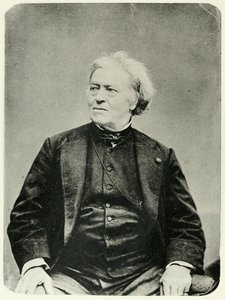
جان باتيست كاميل كوروت
1796 - 1875 , فرنسا
حقائق سريعة
- أعمال فنية بارزة:
- راحة
- القراءة المتقطعة
- أغوستينا
- الاسم الكامل: جان باتيست كاميل كوروت
- الجنسية: فرنسي
- الحركات أو الفنانون المتأثرون:
- مونيه
- بيسارو
- سيزان
- الانطباعية
- الحركة الفنية: الواقعية والانطباعية
- الفنانون المؤثرون:
- أشيل إتينا ميشالون
- جان فيكتور بيرتين
- تاريخ الميلاد: 16 يوليو 1796
- مكان الميلاد: باريس، فرنسا
مقالات ذات صلة

Cultivating Visions: A Historical Journey Through Rural Landscapes in Art
Explore the rich history of rural landscape painting with AllPaintingsStore. Discover Impressionist masterpieces, key artists & movements. Find your perfect serene artwork and bring nature's beauty home.

Jean-Baptiste-Camille Corot: A Poetic Realism – Bridging the Barbizon School and Early Impressionism
Explore the life & art of Camille Corot, a pivotal figure bridging the Barbizon School & Impressionism. Discover his poetic realism, signature style, and lasting influence on landscape painting. Learn more at AllPaintingsStore.

Evocations of Place: A Historical Journey Through Landscape Art
Explore the rich history of landscape art with AllPaintingsStore. Discover renowned artists, movements like Impressionism & Romanticism, and expert guidance for collecting timeless pieces. Find your perfect serene escape today!

أفضل 25 لوحة لجون كونستابل: روعة الطبيعة الإنجليزية في AllPaintingsStore
اكتشف روعة الطبيعة الإنجليزية مع أفضل 25 لوحة لجون كونستابل. قصص فنية آسرة وتقنيات زيتية فريدة في AllPaintingsStore.com. اشترِ نسخًا عالية الجودة وديكور منزلي فاخر. استكشف المجموعة الكاملة الآن!
أعمال بول سيزان الخالدة: 25 تحفة فنية تزين منزلك بجمال الألوان والضوء
اكتشف 25 تحفة فنية لبول سيزان، رائد الانطباعية وما بعد الانطباعية. استكشف قصص لوحاته الزيتية الشهيرة وألوانه الجريئة وتقنياته الفريدة. احصل على إلهام لديكور منزلك الفاخر مع AllPaintingsStore.com.


