


 معاينة الحجم الواقعي
 إرسال
إرسال مشاركة
 عرض التفاصيل
 دليل الأعمال الفنية للطلاب

 تحميل
تحميل
 قطع مشابهة
 الأشعة السينية
 عرض شرائح متتابع
 Q&A
Q&A الإحصائيات
mini mute

 اقرأ المزيد
طباعة جيلي / مطبوعات فنية
طباعة جيكلي أو كانفاس بجودة المتاحف، مع سرعة في التنفيذ وخيارات متنوعة للتشطيب. ( اطلب نسخة مرسومة يدويًا التحويل إلى الصورة الرقمية)




P118B E£10

P118H E£10

P118W E£10

P438Z E£10

P508JH E£12

P508YH E£12

P805H E£10

P805Z E£10

P919BZ E£10

P919G E£10

P919XJ E£10

P959ZH E£10

P968JZ E£12

W106C E£8

W218G E£10

W218JH E£8

W218Y E£10

W307PJ E£10

W316G E£10

W316PJ E£8

W316Y E£10

W398PJ E£8

W4111J E£10

W500HY E£15

W500JH E£15

W692G E£12

W849H E£8

W940BG E£15

W953PJ E£8




اختر من بين أحجامنا المُعدّة مسبقاً والتي تتوافق مع النسب الأصلية للعمل الفني.

أدخل العرض والارتفاع اللذين تحتاجهما، ليتناسب مع إطارك أو جدارك. يمكن قص المطبوعة فقط، ولا يمكن أبداً جعلها أكبر من الصورة الأصلية، لذا فإن أي مقاس بشكل مختلف سيؤدي إلى فقدان جزء من الصورة. سنرسل لك نموذجاً رقمياً تجريبياً لاعتماده قبل البدء في عملية الطباعة. الصورة المعروضة في هذه الصفحة لا توضح القص الفعلي — النموذج التجريبي فقط هو ما يظهر ذلك.
توصيل عالمي إلى خلال أسبوعين بدلاً من المدة القياسية البالغة 4/5 أسابيع. (29 أكتوبر)

شحن سريع ومجاني لجميع أنحاء العالم

قماش كتان فاخر

تأمين شامل على الشحن

ضمان استرداد الرسوم الجمركية

ضمان دقة مطابقة الألوان

سياسة الإرجاع خلال 100 يوم (في حالات العيوب فقط)

ضمان استرداد نقدي بنسبة 100%

عرض خصم الكميات
 خيار الزجاج متاح فقط للمقاسات التي تقل عن 110 سم

mini mute
طباعة جيلي / مطبوعات فنية
مقاس النسخة المطبوعة
-


إجمالي السعر
E£ 3334
Mini Mute – John Constable: A Symphony of Rural Tranquility
The painting “Mini Mute,” attributed to John Constable (1776-1837), encapsulates the Romantic spirit’s fascination with capturing the sublime beauty of the English countryside. More than just a depiction of a pastoral scene, it's an embodiment of Constable’s profound connection to his surroundings and his masterful ability to translate atmospheric conditions onto canvas—a skill that cemented his legacy as one of Britain’s foremost landscape painters.Subject Matter & Composition
The artwork portrays a serene rural vista dominated by a modest church nestled amidst rolling meadows. At the forefront sits a horse-drawn carriage, its two horses diligently pulling it along a winding road – a common motif in Constable's oeuvre reflecting the daily life of rural communities. Scattered figures populate the landscape, adding to the sense of immediacy and capturing fleeting moments of human interaction within the grandeur of nature. A dog accompanies the scene, subtly reinforcing the theme of companionship and domestic tranquility. Finally, a tranquil body of water—likely the River Stour—completes the composition, mirroring the sky above and creating a harmonious visual balance. Constable’s meticulous attention to detail ensures that every element contributes to the overall impression of peaceful rural existence.Style & Technique: Constable's Revolutionary Approach
Constable distinguished himself from his contemporaries through an unprecedented commitment to portraying nature as it truly appeared—not idealized but imbued with palpable emotion. Unlike many artists who sought to impose a preconceived aesthetic vision, Constable meticulously observed and recorded the subtle shifts in light and color that characterize the diurnal cycle of the countryside. His technique involved layering thin washes of pigment onto prepared canvases, building up tonal gradations with delicate brushstrokes – a method championed by Constable himself as he insisted on capturing the very essence of what he saw. The use of impasto—thickly applied paint—particularly noticeable in areas like the church spire and the horse’s mane—adds textural richness and reinforces the impression of atmospheric depth, mirroring the rugged beauty of the landscape itself.Historical Context & Romantic Ideals
“Mini Mute” emerged during the height of the Romantic movement (roughly 1800-1850), a period characterized by an intense reaction against Enlightenment rationalism and a renewed appreciation for imagination and emotion. Artists like Constable sought to express spiritual experience rather than simply represent visual reality, reflecting the broader cultural preoccupation with sublime landscapes—those vistas that inspire awe and terror simultaneously. The painting aligns perfectly with Romantic ideals of individualism, communion with nature, and contemplation of the divine – themes central to the artistic sensibilities of the era. Constable’s work stands as a testament to this transformative shift in artistic thought, prioritizing feeling over form and capturing the sublime beauty of the English countryside.Symbolism & Emotional Impact
The church steeple serves as a visual anchor, symbolizing faith and permanence amidst the ephemeral beauty of the meadow—a deliberate juxtaposition that underscores Constable’s Romantic conviction that nature possesses an inherent moral authority. The horse-drawn carriage represents tradition and rural labor, grounding the scene in the everyday realities of Victorian England. More profoundly, “Mini Mute” evokes a feeling of serenity and contemplation – inviting viewers to immerse themselves in the tranquil atmosphere of the countryside and appreciate the sublime grandeur of God’s creation. Constable's masterful rendering of light and color—particularly the diffused glow illuminating the church spire—creates an emotional resonance that transcends mere visual representation, transporting the viewer into the heart of a timeless pastoral scene.الأسئلة والأجوبة
ما هو اللون الطاغي الذي ينساب عبر "mini mute" للفنان جون كونستابل؟
اللون السائد في "mini mute" للفنان جون كونستابل هو Ochre to Sepia. ويمثل هذا اللون النغمة الأساسية لمجموعة الألوان المستخدمة.
ماذا يصور "mini mute" للفنان جون كونستابل؟
تتمثل موضوعات "mini mute" في landscape painting, rural scene, church architecture, carriage ride, horse drawn vehicle, pastoral landscape, suffolk vale, noon light.
هل يوجد دليل لـ "mini mute" للفنان جون كونستابل؟
تتوفر صفحة دليل تعليمي لعمل "mini mute" للفنان جون كونستابل: وهي عبارة عن ورقة حقائق قابلة للطباعة حول العمل الفني، مُصممة خصيصاً للطلاب والاستخدام في الفصول الدراسية.
أعمال فنية مشابهة


نبذة عن الفنان
جون كونستابل: شاعر المناظر الطبيعية الإنجليزية
ولد جون كونستابل في عام 1776 بقرية إيست بيرغهولت الهادئة في ستافوردشاير، لم يكن مجرد رسام للمناظر الطبيعية؛ بل كان شاعراً للأرض، يترجم تقلبات مزاجها وجمالها الدائم إلى القماش بعمق عاطفي غير مسبوق. قدمت له والده، وهو تاجر ذرة ناجح يمتلك وديان ديدهم ومطاحن على طول نهر ستور، ليس فقط الاستقرار المالي ولكن أيضاً الموضوع الذي سيحدد حياة كونستابل الفنية. هذا الانغماس المبكر في العالم الريفي – إيقاع الحياة الزراعية البطيء، والضوء المتغير باستمرار على الحقول والمياه، والتفاصيل الحميمة للطبيعة – أصبح منقوشاً بعمق في وعيه. بينما كان مقدراً في الأصل لمتابعة والده في الأعمال التجارية، فإن شغفاً متنامياً بالفن، غذّاه رعاة محليون مثل جورج بيمونت الذي عرّفه بأعمال كلود لورين، قاده في النهاية إلى طريق مختلف. لم تكن رحلة كونستابل الفنية فورية؛ بل كانت تتكشف تدريجياً، وتتشكل من خلال الملاحظة الدقيقة والرغبة المستمرة في التقاط ليس فقط *ما* يراه، ولكن *كيف* يشعر بالوجود داخل المناظر الطبيعية.كسر القواعد: رؤية جديدة للطبيعة
تميز التطور الفني لكونستابل برفض متعمد للاتفاقيات الأكاديمية السائدة. غير راضٍ عن المناظر الطبيعية المثالية وغالباً ما تكون مسرحية التي فضلها الأكاديمية الملكية، سعى بدلاً من ذلك إلى تمثيل صادق للطبيعة، مشبعاً بالشعور الشخصي. لم يكن مهتماً بالسرديات التاريخية الكبرى أو المشاهد الأسطورية؛ بل ظل تركيزه ثابتاً على الريف المألوف المحيط به. كان هذا الالتزام بتصوير الموضوعات العادية – عربات الحطب، والمباني الزراعية، والحياة القروية – يلتقي في البداية بمقاومة من النقاد الذين اعتبروا عمله مبتذلاً ويفتقر إلى الطموح. ومع ذلك، أصر كونستابل، مدفوعاً بإيمان بأن الجمال يكمن في الحياة اليومية. لقد رائد تقنية الرسم في الهواء الطلق (*plein air*)، متجهاً إلى الخارج لمراقبة التقاط تأثيرات الضوء والطقس العابرة مباشرة. سمح له هذا التفاعل المباشر مع الطبيعة بحقن لوحاته بجدية وحيوية غير مرئية سابقاً في فن المناظر الطبيعية البريطانية. أصبحت ضرباته بالفرشاة أكثر انفتاحاً وتعبيرية، باستخدام *impasto* – طبقات سميكة من الطلاء – لخلق نسيج ونقل إحساس بالحركة والجو. لم يكن ببساطة يسجل ما يراه؛ بل كان يترجم استجابته العاطفية للأرض إلى شكل مرئي.أعمال أيقونية وأثر دائم
تعتبر أعمال كونستابل الأكثر شهرة شهادة على رؤيته الفريدة. الحصاد (1821)، ربما لوحته الأكثر شهرة، تصور مشهداً ريفياً نموذجياً على نهر ستور، يلتقط الهدوء والانسجام للحياة الزراعية. قلعة هادلي (1829) تعرض استخدامه الدرامي للضوء والتأثيرات الجوية، وتحول بقايا أثرية إلى رمز قوي لمرور الوقت. سلسلة اللوحات التي تصور كاتدرائية سالزبوري من المروج (1831) تُظهر قدرته على إثارة مشاعر مختلفة وأوقات مختلفة من اليوم، وكشف الكاتدرائية كجزء لا يتجزأ من المناظر الطبيعية الطبيعية. دير نيتلي (1824)، مع تصويره المؤثر للبهجة المعمارية وسط جمال البرية المتزايد، يجسد مهارته في المزج بين الخلق البشري وجمال الطبيعة الجامح. على الرغم من مواجهته صعوبات أولية في الحصول على الاعتراف في إنجلترا، حقق كونستابل نجاحاً كبيراً في فرنسا، حيث صدى تقنياته المبتكرة وعمقه العاطفي بعمق لدى الفنانين الذين يبحثون عن نهج أكثر طبيعية إلى فن المناظر الطبيعية. لقد أثر بشكل كبير على مدرسة باربيزون، وهي مجموعة من الرسامين الفرنسيين الذين شاركوا التزامه بالمراقبة المباشرة للطبيعة في الهواء الطلق.إرث من الرنين العاطفي
تكمن الأهمية التاريخية لكونستابل ليس فقط في ابتكاراته الفنية ولكن أيضاً في تأثيره العميق على تطوير فن المناظر الطبيعية. لقد تحدى القواعد الأكاديمية، ورفع مكانة الموضوعات العادية، ومهد الطريق لمقاربة أكثر شخصية وتعبيرية عاطفياً للفن. إن تركيزه على الملاحظة المباشرة والتأثيرات الجوية والتمثيل الصادق للطبيعة سبقت العديد من المخاوف لدى فنانو الانطباعيين اللاحقين. لقد أظهر أن المناظر الطبيعية يمكن أن تكون وسيلة للتعبير العاطفي العميق، قادرة على إثارة مشاعر الحنين والهدوء والرهبة. على الرغم من مواجهته صعوبات مالية طوال حياته المهنية، وتوفي في سن مبكرة نسبياً عام 1837، إلا أن إرثه باقٍ. اليوم، يحتفل بكونستابل كواحد من أعظم الفنانين البريطانيين، حيث لا تزال لوحاته تأسر الجماهير بجمالها وإخلاصها وقوتها الدائمة. عمله بمثابة تذكير مؤثر بالارتباط العميق بين البشرية والعالم الطبيعي، وإمكانية الفن التحويلية لالتقاط جوهره.الحياة الشخصية والسنين الأخيرة
تميزت الحياة الشخصية لكونستابل بكل من الفرح والحزن. تزوج من ماريا بيكنيل في عام 1816، وكان لديهما سبعة أطفال، على الرغم من أن العديد منهم لم يعيشوا طويلاً. قدمت له زواجه دعماً عاطفياً ولكنه تسبب أيضاً في ضائقة مالية. بعد انتخابه زميلاً في الأكاديمية الملكية للفنون في عام 1829، واصل مواجهة انتقادات من بعض الجهات، لا سيما فيما يتعلق بتقنياته غير التقليدية. ظلت سنواته الأخيرة مظللة بتدهور صحة زوجته ووفاتها النهائية في عام 1828، وهو حدث أثر فيه بعمق. على الرغم من هذه المصاعب، ظل كونستابل مكرساً لفنه، واستمر في الرسم حتى وفاته في 31 مارس 1837. خلف إرثاً فنياً غنياً – شهادة على التزامه الذي لا يتزعزع بالتقاط جمال وتناغم المشاعر للعالم الريفي الإنجليزي. تظل لوحاته استحضارات مؤثرة لعصر مضى، تدعو المشاهدين لتجربة المناظر الطبيعية من خلال عينيه الحساسة بشكل فريد.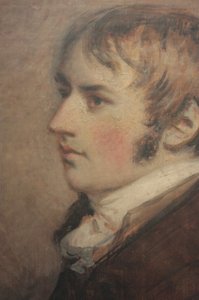
جون كونستابل
1776 - 1837 , المملكة المتحدة
لمحة سريعة
- أعمال فنية بارزة:
- The Hay Wain
- Hadleigh Castle
- Salisbury Cathedral
- Netley Abbey
- الاسم الكامل: جون كونستابل
- الجنسية: بريطاني
- الحركة الفنية: الرومانسية
- تاريخ الميلاد: 11 يونيو 1776
- حركات فنية متأثرة: ['مدرسة باربيزون']
- فنانون مؤثرون:
- كلود لورين
- ياكوب رويسدايل
- مكان الميلاد: إيست بيرغهولت، المملكة المتحدة
مقالات ذات صلة
أفضل 25 لوحة لجون سينجر سارجنت: تحف فنية لتزيين منزلك بأسلوب راقي
اكتشف أروع 25 لوحة لجون سينجر سارجنت، فنان البورتريه الأمريكي الأسطوري. انغمس في عالم الانطباعية والواقعية، واستلهم لديكور منزلك بألوان كلاسيكية و تحف فنية راقية. تسوق الآن على AllPaintingsStore.com!

John Constable: Nature, Light & the Romantic Vision of Rural England
Explore the life & art of John Constable, the Romantic painter who revolutionized landscape with emotive scenes of rural England. Discover his techniques, legacy, and key works – perfect for collectors & enthusiasts.

أفضل 10 لوحات طبيعية رومانسية غيرت مسار الفن وجمّلت الديكور | AllPaintingsStore
اكتشف 10 روائع فنية رسمت مسار الفن الرومانسي! استكشف لوحات فريدريش، مالارد وأكثر. قصص الفنانين، تقنيات الرسم، وجمال المناظر الطبيعية الخلابة. احصل على أعمال فنية عالية الجودة من AllPaintingsStore.com!

أفضل 25 لوحة لجون كونستابل: روعة الطبيعة الإنجليزية في AllPaintingsStore
اكتشف روعة الطبيعة الإنجليزية مع أفضل 25 لوحة لجون كونستابل. قصص فنية آسرة وتقنيات زيتية فريدة في AllPaintingsStore.com. اشترِ نسخًا عالية الجودة وديكور منزلي فاخر. استكشف المجموعة الكاملة الآن!

Capturing the English Landscape: The Timeless Mastery and Romantic Legacy of John Constable
Explore the profound legacy of John Constable. Discover how his mastery of light, atmosphere, and the English landscape redefined Romanticism through timeless, museum-quality oil reproductions for discerning collectors.


