


 معاينة الحجم الحقيقي
 مشاركة
 مشاركة
 التفاصيل
 الدليل

 تحميل الملف
 قطع مشابهة
 الأشعة السينية
 عرض شرائح
 الإحصائيات
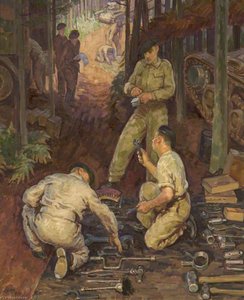
Galleries of Large Dugouts at Étaples
 1918
1918 32.0 x 41.0 cm
 عرض المزيد
نسخة زيتية مصنوعة يدوياً
لوحة زيتية مرسومة يدوياً على الكانفاس بالمقاس والإطار الذي تفضله، تُنفذ حسب الطلب على أيدي فنانينا. ( التحويل إلى المطبوعات الانتقال إلى الصورة الرقمية)




































اختر من بين أحجامنا المُعدّة مسبقًا والتي تتطابق مع النسب الأصلية للعمل الفني.

يمكنك إدخال أبعادك الخاصة لتناسب إطارًا معينًا أو مساحة محددة. وإذا لم يتطابق الحجم الذي اخترته مع نسب الصورة الأصلية، فسنقوم إما بقص العمل الفني أو توسيع اللوحة بإضافة عناصر مرسومة يدويًا. سيتم إرسال نموذج رقمي إليك للموافقة عليه قبل بدء الإنتاج.
يرجى ملاحظة أن المعاينة على الشاشة لا تعكس عملية القص أو التوسيع الفعلية؛ حيث إن النموذج الرقمي وحده هو الذي سيوضح التكوين النهائي بدقة.
وعلى الرغم من توفر أحجام مخصصة، إلا أننا نوصي باختيار أبعاد من القائمة المحددة مسبقًا للحفاظ على النسب الأصلية للعمل الفني.
بعد إتمام الطلب، سيرسل فريق AllPaintingsStore.com بريداً إلكترونياً للعميل لطلب التعليمات وتزويده بمعاينة تجريبية (mockup).
توصيل عالمي إلى خلال 3 إلى 4 أسابيع بدلاً من المدة المعتادة البالغة 5 أسابيع. (21 سبتمبر). جودة لا تهاون فيها.

شحن سريع ومجاني لجميع أنحاء العالم

قماش كتان عالي الجودة

تأمين شحن شامل

ضمان استرداد الرسوم الجمركية

ضمان مطابقة الألوان الحقيقية

سياسة الإرجاع خلال 100 يوم (في حالات العيوب فقط)

ضمان استرداد نقدي بنسبة 100%

خصم عند طلب عدة قطع
 خيار الزجاج متاح فقط للمقاسات التي تقل عن 110 سم

Galleries of Large Dugouts at Étaples
خامة إعادة الإنتاج
مقاس النسخة المطبوعة
-


السعر الإجمالي النهائي
$ 258
أعمال فنية ذات صلة



السيرة الذاتية للفنان
A Legacy of Resilience: The Life and Art of John Hodgson Lobley
Born in the industrious heart of Huddersfield, Yorkshire, in 1878, John Hodgson Lobley emerged from a family of woollen merchants to carve out a profound place in the annals of British art history. His early years were defined by a rigorous academic pursuit, as he sought refinement within the prestigious halls of the Slade School of Fine Art, the Royal College of Art, and the Royal Academy. These institutions provided him with more than just technical mastery; they instilled a meticulous discipline of observation that would later allow him to capture the most harrowing and tender moments of human existence with unparalleled clarity. While his roots were in the North, Lobley’s life eventually led him to the vibrant atmosphere of London, where he married Eliza Maud Grimshaw, and later to the serene landscapes of Dorset, a move that mirrored the shifting focus of his creative spirit.
The trajectory of Lobley’s career was irrevocably altered by the onset of the Great War. Commissioned by the Royal Army Medical Corps, he was tasked with an immense and emotionally taxing responsibility: to document the medical efforts of the British forces during World War I. Unlike many of his contemporaries who sought to capture the thunderous glory of the battlefield or the heroic charge of cavalry, Lobley turned his gaze toward the quiet, often overlooked corners of conflict. He produced over 120 paintings that served as a vital visual record of rehabilitation hospitals, training camps, and casualty clearing stations across France and Britain. His work from this period, such as the hauntingly realistic Reception of the Wounded at the 41st Casualty Clearing Station, eschews the romanticism of war in favor of a somber, empathetic realism that highlights the dignity of the wounded and the tireless devotion of medical personnel.
Technique, Influence, and the Impressionist Eye
While his wartime subject matter demanded a certain level of documentary precision, Lobley’s artistic soul was deeply nourished by the movements of Impressionism and Post-Impressionism. He did not merely seek to replicate reality; he sought to translate the ephemeral qualities of light, atmosphere, and emotion onto the canvas. This stylistic inclination is most evident in his landscapes and his more intimate portraits. By utilizing a sophisticated blend of color palettes and expressive brushstrokes, he was able to imbant his scenes with a psychological depth that transcends simple representation. Whether depicting the tranquil beauty of a London park or the golden hues of a sunset over the English countryside, Lobley’s hand was always guided by an attempt to capture the fleeting essence of a moment.
His technical prowess was recognized early in his career through significant accolades, including the prestigious Turner Gold Medal for landscape painting in 1903. This foundation of excellence allowed him to navigate various genres with ease, moving from the structured compositions of his academic training to the more fluid, atmospheric qualities of his later works. His ability to balance the heavy, somber tones required for his military hospital scenes with the luminous, airy textures of his landscapes demonstrates a remarkable versatility that few artists of his era could claim.
Historical Significance and Lasting Impression
The historical importance of John Hodgson Lobley lies in his role as a witness to history. His paintings function as much as historical documents as they do works of fine art, offering a poignant glimpse into the daily realities of medical care during one of the most turbulent periods of the twentieth century. Through his lens, we see the quiet dignity of those recovering from trauma and the resilience of the human spirit amidst chaos. His work provides a necessary counter-narrative to the often-sanitized versions of war, presenting instead a raw, empathetic view of the human cost of conflict.
Today, Lobley’s legacy is preserved in significant collections worldwide, ensuring that his unique perspective continues to resonate with modern audiences. His contributions can be found within the archives of:
- The Imperial War Museum, which holds a substantial collection of his wartime documentation.
- The Royal Academy, representing his academic excellence and formal training.
- The Royal Society of British Artists, showcasing his standing among his peers.
- The Goupil Gallery and various private collections, preserving his landscapes and portraits.
Ultimately, the art of John Hodgson Lobley remains a testament to the power of empathy in art. He was an artist who looked closely at the wounds of his era—both physical and psychological—and responded not with shock or glorification, but with a profound, painterly respect for the endurance of life.

john hodgson lobley
1878 - 1954
حقائق سريعة
- Artistic Movement Or Style: Impressionism
- Artists Or Movements Influenced By This Artist: ['Royal Academy']
- Artists Who Influenced This Artist: ['Slade School of Fine Art']
- Date Of Birth: November 28, 1878
- Date Of Death: 1954
- Full Name: John Hodgson Lobley
- Nationality: English
- Notable Artworks: ['Reception of the Wounded at the 41st Casualty Clearing Station']
- Place Of Birth: Huddersfield, Yorkshire

