


 معاينة الحجم الواقعي
 مشاركة
 مشاركة
 التفاصيل
 دليل
دليل

 تحميل الملف
 قطع مشابهة
 الأشعة السينية
 عرض شرائح
 الأسئلة والأجوبة
 الإحصائيات
Landscape in Cassis


 عرض المزيد
طباعة جيلي / مطبوعات فنية
طباعة جيكلي أو كانفاس بجودة المتاحف، مع سرعة في التنفيذ وخيارات متنوعة للتشطيب. ( شراء لوحة مرسومة يدويًا الانتقال إلى الصورة الرقمية)




































اختر من بين أحجامنا المُعدّة مسبقاً والتي تتوافق مع النسب الأصلية للعمل الفني.

أدخل العرض والارتفاع المطلوبين ليتناسب المقاس مع إطارك أو جدارك. يرجى الملاحظة أن المطبوعة يمكن قصها فقط ولا يمكن تكبيرها لتتجاوز أبعاد الصورة الأصلية، لذا فإن اختيار مقاس بأبعاد مختلفة سيؤدي إلى فقدان جزء من الصورة. سنرسل لك نموذجاً رقمياً تجريبياً لاعتماده قبل البدء في عملية الطباعة. الصورة المعروضة في هذه الصفحة لا توضح شكل القص الفعلي — النموذج التجريبي فقط هو ما يظهر ذلك بدقة.
توصيل عالمي إلى خلال أسبوعين بدلاً من المدة القياسية البالغة 4/5 أسابيع. (10 نوفمبر)

شحن سريع ومجاني لجميع أنحاء العالم

قماش كتان عالي الجودة

تأمين شامل على الشحن

ضمان استرداد الرسوم الجمركية

ضمان مطابقة الألوان الحقيقية

سياسة الإرجاع خلال 100 يوم (في حالات العيوب فقط)

ضمان استرداد نقدي بنسبة 100%

خصم عند طلب كميات
 خيار الزجاج متاح فقط للمقاسات التي تقل عن 110 سم

Landscape in Cassis
طباعة جيلي / مطبوعات فنية
مقاس النسخة المطبوعة
-


إجمالي السعر النهائي
E£ 3411
أعمال فنية ذات صلة


السيرة الذاتية للفنان
The Evolution of a Visionary
Józef Pankiewicz stands as a monumental figure in the history of Polish art, a painter whose career was defined by a restless, brilliant pursuit of new forms and a profound openness to the avant-garde. Born in Lublin, his artistic journey began with rigorous classical training, studying at the School of Fine Arts in Warsaw under the guidance of Wojciech Gerson and Aleksander Kamiński, before further refining his skills at the Imperial Academy of Arts in Saint Petersburg. This solid academic foundation, however, was merely the prelude to a life spent chasing the shifting light and color of the modern era.
His departure for Paris in 1889, alongside his studio partner Władysław Podkowiński, marked a transformative turning point. Immersed in the vibrant atmosphere of the Exposition Universelle, Pankiewicz encountered the revolutionary techniques of the Impressionists. This encounter did more than just change his palette; it ignited a lifelong mission to introduce these contemporary French trends to Poland. Though his early attempts to bring such radical light and color to his homeland were met with significant hostility from critics—some even suggesting he required an optometrist to correct his vision—he remained undeterred, forging a path that would eventually reshape the Polish aesthetic landscape.
A Tapestry of Styles and Movements
The artistry of Pankiewicz was never static; it was a continuous metamorphosis. He began his professional life as a Realist, but his spirit could not be contained by mere representation. As he matured, he moved through a breathtaking array of movements, each leaving an indelible mark on his technique. He embraced the ethereal qualities of Symbolism, creating evocative nocturns that drew inspiration from the musicality of James McNeill Whistler and the haunting poetry of Stéphane Mallarmé. His series of urban and landscape nocturnes, such as the poignant Nocturne – Swans in the Saxon Garden in Warsaw by Night, demonstrate a masterful command of light and shadow, where the boundaries between depiction and abstraction begin to blur.
As his career progressed, Pankiewicz’s gaze turned toward the structural innovations of Post-Impressionism. Influenced heavily by the works of Paul Cézanne, he produced landscapes and city views that emphasized form and volume. His travels through Western Europe and his time in Spain during the First World War further expanded his horizons, allowing him to absorb the vibrant energy of Fauvism after meeting Robert Delaunay. This relentless experimentation eventually led him to a deeply personal Colourist formula, establishing him as the leader of the Kapists group—a collective of young artists dedicated to a new, color-centric tradition in Poland.
Legacy and Academic Influence
Beyond the canvas, Pankiewicz was a profound educator and an intellectual pillar of the art community. His influence extended far beyond his own brushstrokes through his roles as a professor at the Kraków Academy of Fine Arts and later as the Director of its branch in Paris. He nurtured a generation of talent, mentoring notable students such as:
- Józef Czapski
- Alice Halicka
- Moïse Kisling
- Jan Rubczak
- Zygmunt Waliszewski
- Wacław Zawadowski
His contributions to the institutional fabric of art were equally significant, evidenced by his role as a founding member of the Society of Polish Artists Sztuka. Throughout his life, he received prestigious accolades, including membership in the Legion of Honor and the Order of Polonia Restituta, recognizing both his artistic mastery and his service to culture. From the sun-drenched landscapes of Southern France to the solemn grandeur of cathedral interiors, the work of Józef Pankiewicz remains a testament to the power of artistic evolution and the enduring impact of a soul dedicated to the pursuit of beauty.

Józef Pankiewicz
1866 - 1940
حقائق سريعة
- Artistic Movement Or Style:
- Impressionism
- Post-Impressionism
- Symbolism
- Colourism
- Artists Or Movements Influenced By This Artist: ['Kapists (Colourists)']
- Artists Who Influenced This Artist:
- James McNeill Whistler
- Paul Cézanne
- Full Name: Józef Pankiewicz
- Nationality: Polish
- Notable Artworks:
- Landscape in Cassis
- Interior of the Cathedral in Chartres
- Nocturne – Swans in the Saxon Garden
- Place Of Birth: Lublin, Poland
- Date Of Birth: 1866
- Date Of Death: 1940
مقالات ذات صلة

أعلى 10 لوحات طبعت "المشهد الانطباعي": رحلة فنية في عالم الفن الراقي و الديكور
اكتشفوا 10 روائع فنية رسمت "المشهد الانطباعي"! رحلة في عالم مونيه، رينوار و بيسار. استلهموا ألوان الطبيعة و تقنيات الفنانين. ديكور منزلي راقي و لوحات زيتية مميزة. تسوقوا أعمالًا فنية أصيلة على AllPaintingsStore.com

Capturing the Soul: The Most Emotionally Moving Impressionist and Post-Impressionist Masterpieces
Discover the profound emotional depth of Impressionist and Post-Impressionist masterpieces. Explore how legends like Monet, Van Gogh, and Gauguin captured light and soul through evocative landscapes and vibrant brushwork for a timeless connection to art history.
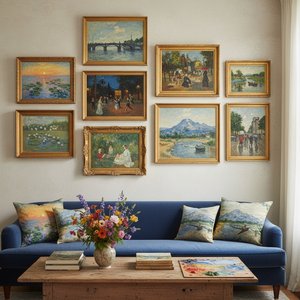
Impressionistic Landscapes: 10 Masterpieces That Changed Art & Decor
Journey into the heart of Impressionism! Explore 10 masterpieces by Monet, Renoir & Degas that revolutionized landscape art. Discover their stories, techniques & find museum-quality reproductions to elevate your home decor on AllPaintingsStore.com.

Golden Fields & Sun-Drenched Meadows: Capturing the Soul of Impressionist Landscapes
Immerse yourself in the luminous world of Impressionist landscapes. Discover how masters like Monet and Gauguin captured ephemeral light through plein air painting, and learn to bring the soul of sun-drenched meadows into your home with exquisite, hand-painted oil reproductions.

Beyond the Horizon: A Curated Guide to Integrating Post-Impressionist Landscapes into Modern Interiors
Transform your home with the emotive power of Post-Impressionist landscapes. Discover expert tips on selecting hand-painted oil reproductions to create a soulful, vibrant interior that reflects your unique style and connection to nature.