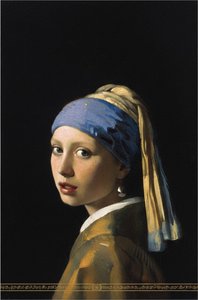
1631. Oil, 31.0 x 24.0 cm. متحف موريثس هاج.

§ 1بيانات الكتالوج

- 31.0 x 24.0 cm


§ 2تجريدي
وصف القطعة المقتناة
This painting portrays a woman diligently sewing in a dimly lit room, attended by an older man offering her money – a visual representation of the complexities between virtue and indulgence within the domestic sphere.
 عرض المزيد
السيرة الذاتية للفنان
كانت جوديث يانز لستر (1609-1660) رسامة رائدة من العصر الذهبي الهولندي، اشتهرت بمشاهد الحياة اليومية والبورتريه والطبيعة الصامتة. أعيد اكتشاف أعمالها عام 1893، وهي تقدم رؤية للحياة في القرن السابع عشر.
§ 3تعليق
A Quiet Tension in Haarlem
Step closer and observe the stillness within this room. In 1631, Judith Jans Leyster captured a moment that feels remarkably private, as if we have interrupted a conversation mid-sentence. A woman sits at a table, her attention anchored to her sewing, a task representing the industriousness expected of her station. Yet, there is a subtle disruption in the air. An older man stands beside her, his presence marked by a gesture that carries weight: he presents a fist adorned with jewelry. It is a small movement, but it introduces an unspoken desire into this domestic setting, hinting at the complexities that can exist within even the most stable relationships.
The atmosphere is shaped by a masterful use of chiaroscuro. Leyster employs light and shadow to sculpt the figures, pulling them from the darkness of the room with a luminous touch. This interplay of light does more than define form; it creates a palpable sense of intimacy. The shadows are deep, yet they do not obscure, but rather focus our gaze on the textures of the scene—the delicate thread of the sewing, the glint of the ring, and the scattered books that lie nearby. These books offer a quiet metaphor for knowledge and education, suggesting an intellectual life existing alongside domestic duty.
The Weight of Virtue and Temptation
There is a profound psychological depth to be found in the way these figures interact without direct eye contact. The woman’s focus on her needlework symbolizes moral integrity and responsibility, values held dear in the Dutch Golden Age. However, the man's gesture acts as a subtle commentary on temptation and the potential for disruption. It is a delicate balance between duty and passion, rendered through tonal variations that imbue the scene with a sense of melancholy.
The setting itself speaks to the era of Haarlem’s flourishing. During this period of Dutch innovation, such genre scenes allowed artists to explore the nuances of human interaction. Leyster’s technique, characterized by confident yet delicate brushstrokes, allows us to feel the weight of the moment. The scene does not demand attention through loud colors; instead, it invites a slow contemplation of the tension between what is seen and what is felt. It remains a study of restraint, leaving us to wonder about the resolution of this silent encounter.
الأسئلة والأجوبة
ما هي الألوان الطاغية في "The Proposition" للفنان جوديث يانس لستر؟
الهوية اللونية لـ "The Proposition" للفنان جوديث يانس لستر: لوحة ألوان Earthy، يطغى عليها لون Espresso (#43371c).
ما هو الشعور والعاطفة اللذان يعبر عنهما "The Proposition" للفنان جوديث يانس لستر؟
تتجلى الحالة المزاجية لعمل "The Proposition" للفنان جوديث يانس لستر في Calm، بينما يتمثل طابعها العاطفي في Reflective.
كيف يتشكل التكوين اللوني لـ "The Proposition" للفنان جوديث يانس لستر؟
في "The Proposition"، يتناغم Serene التباين مع Unified Palette الانسجام.


 التبديل إلى نسخة مطبوعة


 بالنسبة للأعمال الفنية أو النسخ المطبوعة التي يتجاوز طول أي من أضلاعها 105 سم (حوالي 41 بوصة)، سيتم شحن الإطار كمجموعة مفككة؛ حيث تضمن هذه الطريقة سلامة التوصيل وتمنع حدوث أي أضرار أثناء النقل.