


 معاينة الحجم الحقيقي
 مشاركة
 مشاركة
 التفاصيل

 تحميل الملف
 قطع مشابهة
 الأشعة السينية
 عرض شرائح
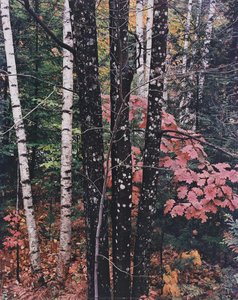
Ten Paces

 عرض المزيد
طباعة جيلي / مطبوعات فنية
طباعة جيكلي أو كانفاس بجودة المتاحف، مع سرعة في التنفيذ وخيارات متنوعة للتشطيب. ( اشترِ لوحة مرسومة يدويًا اشترِ الصورة)




































اختر من بين أحجامنا المُعدّة مسبقًا والتي تتطابق مع النسب الأصلية للعمل الفني.

يمكنك إدخال أبعادك الخاصة لتناسب إطاراً أو مساحة معينة. وإذا لم يتطابق الحجم الذي اخترته مع نسب الصورة الأصلية، فسنقوم إما بقص العمل الفني أو تمديد الصورة باستخدام حافة معكوسة أو بلون مصمت. سيتم إرسال نموذج تجريبي رقمي لاعتمادك قبل بدء الإنتاج.
يرجى ملاحظة أن المعاينة على الشاشة لا تعكس عملية القص أو التمديد الفعلية؛ حيث سيوضح النموذج التجريبي فقط التكوين النهائي بدقة.
وعلى الرغم من توفر أحجام مخصصة، إلا أننا نوصي باختيار أبعاد من القائمة المحددة مسبقاً للحفاظ على النسب الأصلية.
توصيل عالمي إلى خلال أسبوعين بدلاً من المدة القياسية البالغة 4/5 أسابيع. 18 أغسطس

شحن سريع ومجاني لجميع أنحاء العالم

قماش كتان عالي الجودة

تأمين شحن شامل

ضمان استرداد الرسوم الجمركية

ضمان مطابقة الألوان الحقيقية

سياسة الإرجاع خلال 60 يومًا (في حالات العيوب فقط)

ضمان استرداد نقدي بنسبة 100%

خصم عند طلب عدة قطع
 خيار الزجاج متاح فقط للمقاسات التي تقل عن 110 سم

Ten Paces
طباعة جيلي / مطبوعات فنية
مقاس النسخة المطبوعة
-


السعر الإجمالي النهائي
$ 64
وصف القطعة الفنية
أعمال فنية ذات صلة




السيرة الذاتية للفنان
The Rhythms of Nature and Paper: The Art of Karen Viola
Born on March 28, 1965, in White Plains, New York, Karen Viola—often recognized by her creative moniker, Karen Tuttle—has cultivated a practice that breathes life into the static medium of the book. Her artistic journey is a profound tapestry woven from threads of storytelling, environmental connection, and a deep-seated reverence for the natural world. Growing up in the United States before establishing herself as a Canadian artist, Viola’s early years were shaped by a dual passion: the narrative magic of literature and the intricate patterns found within the wild. This foundational connection to the environment serves as the heartbeat of her work, driving her to explore how movement and texture can mirror the living ecosystems of our planet.
The cadence of Viola’s art is deeply rooted in her musical heritage. A student of rhythm long before she was a master of paper, she began playing the violin at sixteen and transitioned to the viola in 1941. This musicality is not merely a biographical detail but a fundamental component of her aesthetic language; it informs the way she approaches the rhythm, texture, and expressive nuance of her sculptural book creations. Her formal education at the prestigious Parsons School of Design provided the technical rigor necessary to translate these abstract musical concepts into tangible, three-dimensional forms. Furthermore, the influence of her mother, Katherine Ann Tuttle, played a pivotal role in nurturing her creative spirit, instilling in her a lifelong devotion to keen observation and the beauty of the written word.
Kinetic Narratives and Sculptural Innovation
Viola’s contribution to contemporary art lies in her rejection of the traditional, flat page in favor of kinetic book art. Her work transcends the boundaries of printmaking, utilizing innovative methods that integrate sculptural elements with physical movement. To encounter a Viola piece is to engage in a tactile dialogue; her books are not merely objects to be read, but environments to be explored. She employs a variety of delicate and unexpected materials—ranging from hand-dyed Japanese mulberry papers to the fragile, organic architecture of a real chicken eggshell—to create works that embody themes of transformation and interconnectedness.
Her technical mastery is perhaps most evident in her ability to find profound meaning within miniature scales. In her piece Embryo, she utilized the hollowed shell of an egg to house a tiny, one-of-a-kind narrative, using the fragility of the medium to reflect the vulnerability of the creative process during times of global uncertainty. Similarly, in Ten Paces, she pays homage to the wisdom of Wendell Berry, using hand-cut footprints and panoramic photography to celebrate the wild places of Wyoming and Westchester. Through these works, Viola demonstrates that her art is an act of hope—a way to find joy and strength by observing the small, beautiful details of our journey on Earth.
A Legacy of Mindfulness and Movement
Beyond the physical boundaries of her books, Viola’s philosophy is deeply intertwined with the concept of holistic engagement. Her work often reflects the principles of coordination—a system developed by Katherine Tuttle that emphasizes posture, balance, and mindful presence. This focus on intentionality allows her art to serve as a bridge between the human experience and the natural landscape. By mimicking the dynamism of ecosystems through movement and layered textures, she invites her audience to slow down and witness the intricate narratives hidden within simple forms.
The significance of Karen Viola’s work extends into the realm of emotional resonance, particularly in how she uses art as a remedy for modern anxieties. Her practice is characterized by:
- Material Symbiosis: The seamless blending of organic elements like eggshells and textiles with handmade papers.
- Narrative Depth: Using the book format to explore complex themes of nourishment, strength, and environmental stewardship.
- Kinetic Exploration: Creating sculptural forms that demand physical interaction and movement from the viewer.
As a creator who bridges the gap between children's book publishing and fine art, Viola continues to push the boundaries of what a "book" can be, ensuring that her legacy remains as vibrant and evolving as the natural world she so lovingly depicts.

karen tuttle
1965 - , United States of America
حقائق سريعة
- Artistic Movement Or Style: Mixed media book art
- Date Of Birth: 1965
- Full Name: Karen Viola
- Nationality: Canadian
- Notable Artworks:
- Embryo
- Ten Paces
- Mammoth in the frozen soil
- Place Of Birth: White Plains, United States



