


 معاينة الحجم الحقيقي
 مشاركة
 مشاركة
 التفاصيل
 الدليل

 تحميل الملف
 قطع مشابهة
 الأشعة السينية
 عرض شرائح
 الإحصائيات
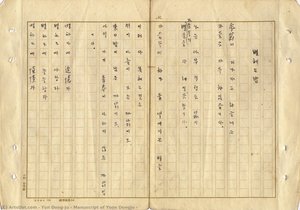
Calligraphy of Kim Jeong-hee
 Ink On Paper
 19th Century
 192.0 x 122.0 cm
 Seokdang Museum of Dong-A University
 عرض المزيد
طباعة جيلي / مطبوعات فنية
طباعة جيكلي أو كانفاس بجودة المتاحف، مع سرعة في التنفيذ وخيارات متنوعة للتشطيب. ( اشترِ لوحة مرسومة يدويًا الانتقال إلى الصورة الرقمية)




P118B $10

P118H $10

P118W $10

P438Z $10

P508JH $12

P508YH $12

P805H $10

P805Z $10

P919BZ $10

P919G $10

P919XJ $10

P959ZH $10

P968JZ $12

W106C $8

W218G $10

W218JH $8

W218Y $10

W307PJ $10

W316G $10

W316PJ $8

W316Y $10

W398PJ $8

W4111J $10

W500HY $15

W500JH $15

W692G $12

W849H $8

W940BG $15

W953PJ $8




اختر من بين أحجامنا المُعدّة مسبقًا والتي تتطابق مع النسب الأصلية للعمل الفني.

يمكنك إدخال أبعادك الخاصة لتناسب إطاراً أو مساحة معينة. وإذا لم يتطابق الحجم الذي اخترته مع نسب الصورة الأصلية، فسنقوم إما بقص العمل الفني أو تمديد الصورة باستخدام حافة معكوسة أو بلون مصمت. سيتم إرسال نموذج تجريبي رقمي لاعتمادك قبل بدء الإنتاج.
يرجى ملاحظة أن المعاينة على الشاشة لا تعكس عملية القص أو التمديد الفعلية؛ حيث سيوضح النموذج التجريبي فقط التكوين النهائي بدقة.
وعلى الرغم من توفر أحجام مخصصة، إلا أننا نوصي باختيار أبعاد من القائمة المحددة مسبقاً للحفاظ على النسب الأصلية.
توصيل عالمي إلى خلال أسبوعين بدلاً من المدة القياسية البالغة 4/5 أسابيع. 21 سبتمبر

شحن سريع ومجاني لجميع أنحاء العالم

قماش كتان عالي الجودة

تأمين شحن شامل

ضمان استرداد الرسوم الجمركية

ضمان مطابقة الألوان الحقيقية

سياسة الإرجاع خلال 100 يوم (في حالات العيوب فقط)

ضمان استرداد نقدي بنسبة 100%

خصم عند طلب عدة قطع
 خيار الزجاج متاح فقط للمقاسات التي تقل عن 110 سم

Calligraphy of Kim Jeong-hee
طباعة جيلي / مطبوعات فنية
مقاس النسخة المطبوعة
-


السعر الإجمالي النهائي
$ 64
أعمال فنية ذات صلة




السيرة الذاتية للفنان
A Life Etched in Ink: The World of Kim Jeong-hui
Kim Jeong-hui (1786–1856), a name synonymous with the pinnacle of Korean calligraphy and epigraphy, was more than just an artist; he was a scholar, a cultural icon, and a man whose life story is as intricate and compelling as the characters he so masterfully rendered. Born into the esteemed Gyeongju Kim clan during the late Joseon Dynasty, Jeong-hui’s lineage already carried a weight of tradition and artistic inclination. However, it was his innate talent, coupled with relentless dedication, that propelled him to become one of Korea's most celebrated figures. From an early age, he displayed an extraordinary gift for calligraphy, captivating observers with the power and precision of his brushstrokes even as a young boy. This precocious ability led to tutelage under prominent scholars like Chae Je-gong and Park Je-ga, laying the foundation for a career that would redefine Korean artistic expression.The Birth of ‘Chusa-che’ and a Revolution in Epigraphy
Jeong-hui's intellectual curiosity extended far beyond calligraphy. He embraced the Silhak (Practical Learning) school of thought, advocating for reform through engagement with diverse cultures and knowledge systems. A pivotal moment in his development came during a journey to Qing Dynasty China with his father. There, he immersed himself in Confucian scholarship, Buddhist philosophy, and, crucially, the study of ancient Chinese inscriptions – rubbings from stone tablets that preserved historical texts and artistic styles. This exposure profoundly impacted his approach to calligraphy. He wasn’t merely copying forms; he was delving into the very essence of character construction, seeking a deeper understanding of its history and meaning. Upon returning to Korea, Jeong-hui began to synthesize these influences, culminating in the creation of ‘Chusa-che,’ a unique calligraphic style that would become his signature. ‘Chusa-che’ wasn't simply a new aesthetic; it was a deliberate attempt to revitalize Korean epigraphy by drawing inspiration from ancient sources and imbuing them with a distinctly personal expression. The style is characterized by its angular lines, dynamic brushwork, varied line thickness, and an almost sculptural quality – each character possessing a powerful presence on the page.Beyond Calligraphy: Painting and Intellectual Pursuits
While renowned for his calligraphy, Kim Jeong-hui’s artistic talents weren't confined to ink and brush. He was also a gifted painter, particularly celebrated for his depictions of orchids – a subject deeply resonant with Confucian ideals of integrity and resilience. His orchid paintings are not mere botanical studies; they are imbued with symbolic meaning, reflecting his philosophical outlook and personal experiences. He approached painting with the same meticulous attention to detail and profound understanding of form that characterized his calligraphy. Beyond his artistic endeavors, Jeong-hui was a prolific scholar, deeply engaged in the study of Chinese classics, history, and literature. He held various government positions, reaching the rank of Vice-Minister of War, but his career was often disrupted by political factionalism. A period of exile to Jeju Island proved particularly challenging, yet even amidst hardship, he continued to create, producing some of his most poignant and expressive works.A Legacy Etched in Time
Kim Jeong-hui’s influence on Korean art and culture is immeasurable. He not only transformed the practice of calligraphy but also elevated epigraphy to a new level of artistic recognition. His ‘Chusa-che’ style became widely emulated, shaping the aesthetic sensibilities of generations of artists. He was related to Queen Jeongsun and served as a teacher to Heungseon Daewongun, King Gojong's father, further solidifying his position within the Korean aristocracy and ensuring the continuation of his artistic legacy. His work embodies a unique blend of tradition and innovation, intellectual rigor and emotional depth. Today, Kim Jeong-hui is remembered not only as a master calligrapher but also as a symbol of cultural resilience, a scholar who dared to challenge conventions, and an artist whose works continue to inspire awe and admiration. He left behind a vast body of work – calligraphy, paintings, epigraphic studies – that stands as a testament to his genius and a lasting contribution to the rich tapestry of Korean art history. His influence can still be seen in contemporary Korean calligraphy and painting, proving that his artistic vision continues to resonate across centuries.Major Achievements & Historical Significance
- Transformation of Korean Epigraphy: Jeong-hui’s systematic study of ancient inscriptions revolutionized the field, moving beyond mere copying to a deeper understanding of historical context and artistic expression.
- Creation of ‘Chusa-che’ Style: This unique calligraphic style, characterized by its angularity, dynamism, and personal touch, became his signature and profoundly influenced subsequent generations of artists.
- Revitalization of Orchid Painting: His orchid paintings transcended botanical representation, becoming imbued with symbolic meaning and philosophical depth.
- Advocacy for Silhak (Practical Learning): He championed a progressive approach to scholarship, emphasizing engagement with diverse cultures and knowledge systems.
- Cultural Icon: Jeong-hui’s life story – marked by both triumph and adversity – embodies the spirit of cultural resilience and intellectual pursuit, making him a lasting symbol in Korean history.

kim jeong-hui
1786 - 1856 , South Korea
حقائق سريعة
- Artistic Movement Or Style: Calligraphy, Epigraphy
- Date Of Birth: 1786
- Date Of Death: 1856
- Full Name: Kim Jeong-hui
- Nationality: Korean
- Notable Artworks: ["Calligraphy of Kim Yugeun's Autobiography"]
- Place Of Birth: Gyeongju, South Korea
مقالات ذات صلة

The Elegance of Line: Discovering the Timeless Beauty of Calligraphy Artworks
Explore the profound beauty of calligraphy art. From the fluid running script of Chinese masters to historical ink masterpieces, discover how the elegance of line transforms spaces with timeless grace and scholarly sophistication.

The Timeless Beauty of Chinese Calligraphy: An Exploration of Ink, Spirit, and the Art of the Brush
Embark on a profound journey through the soul of Chinese calligraphy. Explore the historical mastery of ink, brush, and script, from ancient Zhuanshu to elegant running script, and discover how this timeless art form reflects the enduring spirit of classical East Asian aesthetics.

Mastering the Flow: The Timeless Art of Ink on Paper and the Legacy of Calligraphic Mastery
Explore the profound elegance of ink on paper. From the rhythmic running script of the Ming Dynasty to Zen-inspired haiku, discover the history, technique, and meditative mastery behind the world's most timeless calligraphic traditions.

Mastering Ink on Paper: The Timeless Art of Precision, Flow, and Calligraphic Heritage
Explore the profound mastery of ink on paper. From Japanese haiku traditions to Ming Dynasty calligraphy, discover the delicate balance of precision and flow that defines this timeless art form through an expert historical lens.
The Alchemy of Ink: Mastering the Timeless Beauty and Art History of Paper and Brush
Embark on a sophisticated exploration of ink wash painting and Sumi-e. Uncover the profound historical lineages, Zen philosophies, and technical mastery behind this timeless medium in our authoritative guide for fine art enthusiasts.

