

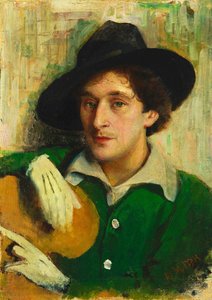
1820. Acrylic On Canvas, 32.0 x 24.0 cm.

§ 1بيانات الكتالوج

- 32.0 x 24.0 cm


هذا العمل الفني محمي بموجب حقوق الطبع والنشر
إن العمل الفني المعروض في هذه الصفحة محمي بموجب قوانين حقوق الطبع والنشر، مما يعني أنه لا يحق لنا قانوناً إنشاء أو بيع نسخ مطابقة له. وتُطبق هذه الحماية بموجب الاتفاقيات الدولية مثل الـ اتفاقية برن ووفقاً للقوانين الوطنية، بما في ذلك تلك المنصوص عليها في قانون حقوق الطبع والنشر في الولايات المتحدة - الباب 17.
وكبديل قانوني وراقٍ، نقدم أعمالاً فنية مخصصة ومرسومة يدوياً مستوحاة من العمل الأصلي. حيث يقوم فنانونا المهرة والمحترفون بدراسة أسلوب العمل الأصلي وأجوائه وجوهره الفني بعناية فائقة، لابتكار قطعة جديدة وفريدة تثير الشعور ذاته - مع بقائها عملاً أصيلاً بحد ذاته.
تتوافق هذه الطريقة تماماً مع لوائح حقوق النشر لأنها لا تتضمن نسخ أو تكرار العمل الفني المحمي، بل هي إعادة تفسير إبداعية؛ أي أنها لوحة جديدة مستوحاة من الأصل ولكنها ليست مطابقة له.
 للمزيد من المعلومات
§ 2تجريدي
وصف القطعة المقتناة
السيرة الذاتية للفنان
مارك شاغال، فنان روسي-فرنسي رائد، اشتهر بلوحاته الحالمة المستوحاة من الفلكلور اليهودي وأعمال الزجاج الملون الرائعة. اكتشف عالم الألوان والذكريات الذي صاغه هذا الفنان العظيم!
§ 3تعليق
Solomon on the Throne: A Dreamscape of Wisdom and Divine Judgment
Marc Chagall’s “Solomon on the Throne” (circa 1956), a striking etching produced during his prolific period in Naïve Art, transcends mere visual representation; it embodies a profound meditation on biblical narrative and the enduring fascination with themes of authority, faith, and contemplation. Executed in monochrome – primarily black ink accented by subtle tonal variations – this artwork exemplifies Chagall’s signature style: an imaginative blend of realism and fantasy that prioritizes emotional resonance over meticulous detail. The image depicts Solomon, King of Israel, seated upon a throne adorned with stylized floral motifs, flanked by two dogs—a deliberate allusion to the biblical tale recounted in I Kings X, 18-20 where Solomon judges between two women claiming paternity of the same child. The etching’s composition is deliberately asymmetrical, furthering its dreamlike quality and mirroring the unpredictable nature of divine judgment. Scattered throughout the scene are additional animals – three cats—each positioned with careful consideration, contributing to a rich tapestry of symbolism rooted in Jewish folklore. Cats traditionally represent wisdom and vigilance within Hasidic tradition, aligning perfectly with Solomon’s role as a ruler known for his intellect and piety. The dogs, similarly symbolic, embody loyalty and guardianship, reinforcing the overarching message of righteousness and divine protection. Chagall's technique is characterized by loose hatching lines that convey texture and depth without striving for photographic accuracy. This approach distinguishes him from academic realism, opting instead for a visual language that prioritizes feeling over observation. The artist’s masterful manipulation of tonal values creates an atmosphere of solemn grandeur, inviting viewers to immerse themselves in the contemplative mood of the biblical scene. It's not merely a depiction; it’s an emotional distillation of the story itself—a testament to Chagall’s ability to transform historical narrative into universally accessible art.- Artist: Marc Chagall (1887-1985)
- Style: Naïve Art (Primitivism)
- Medium: Etching
- Size: 32 x 24 cm
- Date: Circa 1956
Symbolism and Biblical Narrative
The etching’s central motif—Solomon judging between the two women—represents a cornerstone of Jewish tradition, illustrating the importance of justice and discernment. Chagall skillfully captures this narrative tension through visual elements like the throne's floral ornamentation and the positioning of the animals, symbolizing wisdom, loyalty, and divine guardianship. The monochrome palette enhances the solemnity of the scene, emphasizing the gravity of Solomon’s decision and inviting contemplation on themes of righteousness and faith.Chagall’s Distinctive Technique
Unlike academic art movements focused on precise representation, Chagall embraced a technique that prioritized emotional expression over photographic realism. His loose hatching lines create texture and depth while conveying an ethereal quality—a hallmark of his Naïve Art style. This approach allows for a more intuitive engagement with the subject matter, prioritizing feeling and imagination over meticulous observation.Emotional Impact
“Solomon on the Throne” resonates deeply with viewers through its evocative imagery and masterful tonal manipulation. The artwork’s dreamlike atmosphere encourages introspection and invites contemplation on fundamental questions of morality and divine judgment—themes that continue to captivate audiences across cultures and generations. It stands as a poignant reminder of Chagall's ability to transform biblical stories into emotionally resonant visual experiences.الأسئلة والأجوبة
ما مدى تشبع وكثافة الألوان في "Solomon on the throne" للفنان مارك شاغال؟
تتميز لوحة "Solomon on the throne" للفنان مارك شاغال بدرجة تشبع تبلغ Muted وكثافة لونية تصل إلى Monochromatic.
هل تُعد "Solomon on the throne" للفنان مارك شاغال من بين الأعمال الفنية المرغوبة ضمن حركة Expressionist Monochrome؟
تُصنف لوحة "Solomon on the throne" على أنها Iconic ضمن أعمال Expressionist Monochrome في الكتالوج.
ما هي التقنية المستخدمة في تنفيذ "Solomon on the throne" للفنان مارك شاغال؟
نُفذت لوحة "Solomon on the throne" باستخدام Acrylic On Canvas.


 التبديل إلى نسخة مطبوعة


 بالنسبة للأعمال الفنية أو النسخ المطبوعة التي يتجاوز طول أي من أضلاعها 105 سم (حوالي 41 بوصة)، سيتم شحن الإطار كمجموعة مفككة؛ حيث تضمن هذه الطريقة سلامة التوصيل وتمنع حدوث أي أضرار أثناء النقل.


