


 معاينة الحجم الواقعي
 إرسال
إرسال مشاركة
 عرض التفاصيل
 دليل الأعمال الفنية للطلاب

 تحميل
تحميل
 قطع مشابهة
 الأشعة السينية
 عرض شرائح متتابع
 الإحصائيات
Sink Stopper

 اقرأ المزيد
إن العمل الفني المعروض في هذه الصفحة محمي بموجب قوانين حقوق الطبع والنشر، مما يعني أنه لا يحق لنا قانوناً إنشاء أو بيع نسخ مطابقة له. وتُطبق هذه الحماية بموجب الاتفاقيات الدولية مثل الـ اتفاقية برن ووفقاً للقوانين الوطنية، بما في ذلك تلك المنصوص عليها في قانون حقوق الطبع والنشر في الولايات المتحدة - الباب 17.
تتوافق هذه الطريقة تماماً مع لوائح حقوق النشر لأنها لا تتضمن نسخ أو تكرار العمل الفني المحمي، بل هي إعادة تفسير إبداعية؛ أي أنها لوحة جديدة مستوحاة من الأصل ولكنها ليست مطابقة له.
طباعة جيلي / مطبوعات فنية
طباعة جيكلي أو كانفاس بجودة المتاحف، مع سرعة في التنفيذ وخيارات متنوعة للتشطيب. ( اطلب نسخة مرسومة يدويًا التحويل إلى الصورة الرقمية)




P118B E£10

P118H E£10

P118W E£10

P438Z E£10

P508JH E£12

P508YH E£12

P805H E£10

P805Z E£10

P919BZ E£10

P919G E£10

P919XJ E£10

P959ZH E£10

P968JZ E£12

W106C E£8

W218G E£10

W218JH E£8

W218Y E£10

W307PJ E£10

W316G E£10

W316PJ E£8

W316Y E£10

W398PJ E£8

W4111J E£10

W500HY E£15

W500JH E£15

W692G E£12

W849H E£8

W940BG E£15

W953PJ E£8




اختر من بين أحجامنا المُعدّة مسبقاً والتي تتوافق مع النسب الأصلية للعمل الفني.

أدخل العرض والارتفاع اللذين تحتاجهما، ليتناسب مع إطارك أو جدارك. يمكن قص المطبوعة فقط، ولا يمكن أبداً جعلها أكبر من الصورة الأصلية، لذا فإن أي مقاس بشكل مختلف سيؤدي إلى فقدان جزء من الصورة. سنرسل لك نموذجاً رقمياً تجريبياً لاعتماده قبل البدء في عملية الطباعة. الصورة المعروضة في هذه الصفحة لا توضح القص الفعلي — النموذج التجريبي فقط هو ما يظهر ذلك.
توصيل عالمي إلى خلال أسبوعين بدلاً من المدة القياسية البالغة 4/5 أسابيع. (25 أكتوبر)

شحن سريع ومجاني لجميع أنحاء العالم

قماش كتان فاخر

تأمين شامل على الشحن

ضمان استرداد الرسوم الجمركية

ضمان دقة مطابقة الألوان

سياسة الإرجاع خلال 100 يوم (في حالات العيوب فقط)

ضمان استرداد نقدي بنسبة 100%

عرض خصم الكميات
 خيار الزجاج متاح فقط للمقاسات التي تقل عن 110 سم

Sink Stopper
طباعة جيلي / مطبوعات فنية
مقاس النسخة المطبوعة
-


إجمالي السعر
E£ 3312
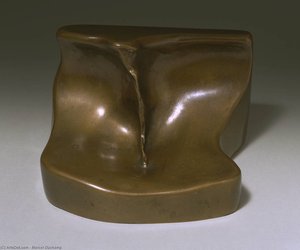
Sink Stopper: A Reflection on Functionality and Artistic Provocation
Marcel Duchamp’s “Sink Stopper,” formally known as Bouche-Evier, stands as a deceptively simple yet profoundly influential artwork—a testament to the Dada movement's radical questioning of artistic conventions. Created in 1964, this unassuming porcelain urinal signed “R. Mutt” transcends its mundane origins to become an emblem of conceptual art and a cornerstone of twentieth-century intellectual history.
- The Object Elevated: Duchamp’s genius lay not in crafting aesthetically pleasing visuals but in elevating the commonplace—a functional item from everyday life—to the realm of artistic consideration. As he famously declared, “The idea precedes the form,” encapsulating the core principle of Dada and challenging the traditional hierarchy between concept and execution.
- Dada’s Critique of Tradition: The artwork emerged during a period of intense disillusionment with established artistic institutions following World War I. Dada artists rejected bourgeois values and embraced absurdity, aiming to dismantle accepted notions of beauty and originality. “Sink Stopper” embodies this spirit of rebellion by deliberately undermining the expectations surrounding sculpture.
- Materiality and Technique: Crafted from porcelain—a material typically associated with decorative arts—the sink stopper’s smooth surface contrasts sharply with its utilitarian purpose. Duchamp meticulously positioned it on a plain white background, minimizing distractions and focusing attention on its form and texture. The photograph itself utilizes a straightforward technique, prioritizing clarity of image and capturing the object's inherent qualities without embellishment.
Historical Context: Dada’s Challenge to Artistic Boundaries
Duchamp’s decision to submit “Sink Stopper” anonymously to the Society of Independent Artists—a pivotal event in Dada history—was a deliberate act of defiance. The committee's rejection stemmed from their adherence to conventional aesthetic standards, highlighting the broader tensions between artistic innovation and societal conservatism. Duchamp’s subsequent resignation from the society underscored his unwavering commitment to challenging established norms.
- The Significance of “R. Mutt”: The pseudonym “R. Mutt” served as a symbolic gesture—a rejection of personal identity and an assertion that art could exist independently of its creator’s ego. It mirrored the Dada ethos of anonymity and questioned the role of authorship in artistic production.
- Influence on Conceptual Art: "Sink Stopper" is widely recognized as a seminal work in conceptual art, paving the way for artists to prioritize ideas over visual representation. Its impact resonates throughout contemporary art practice, prompting ongoing debates about what constitutes art and its relationship to culture.
Symbolism Beyond Functionality
While ostensibly a simple plumbing fixture, “Sink Stopper” carries deeper symbolic resonances. Duchamp’s repositioning of the urinal—turning it upside down—represents an inversion of traditional sculptural conventions and disrupts established hierarchies. The inclusion of the signature "R. Mutt" reinforces this subversive impulse, questioning notions of originality and celebrating the democratization of artistic expression.
- The Role of Chance: Duchamp’s embrace of chance—evident in his selection of the urinal and its positioning—reflects Dada's fascination with spontaneity and rejecting rational control. It underscores the artwork’s rejection of artistic dogma and its affirmation of alternative modes of creative engagement.
Emotional Impact: A Quiet Assertion of Artistic Vision
Despite its understated appearance, “Sink Stopper” commands attention through its intellectual provocation. Duchamp's work compels viewers to reconsider their assumptions about art and beauty—to confront the possibility that artistic value resides not in visual splendor but in conceptual rigor. It remains a powerful reminder that art can challenge societal norms and inspire profound reflection on the nature of creativity itself.
الأسئلة والأجوبة
ما هي الزاوية الأنسب في المنزل لوضع نسخة من "Sink Stopper"؟
يُنصح بوضع "Sink Stopper" للفنان مارسيل دوشامب في Living Room. يعتمد هذا الاقتراح على موضوع العمل وألوانه وأجوائه العامة.
هل تُعدّ "Sink Stopper" للفنان مارسيل دوشامب لوحةً فاتحة الألوان أم داكنة؟
سُجلت درجة سطوع "Sink Stopper" للفنان مارسيل دوشامب عند brilliant، مع مستوى لمعان يبلغ Bright Balance.
ما نوع العمل الفني "Sink Stopper" للفنان مارسيل دوشامب؟
في الكتالوج، تم تصنيف "Sink Stopper" للفنان مارسيل دوشامب كـ WallArt. وتساعد هذه الفئة في العثور على أعمال مماثلة.
أعمال فنية مشابهة


نبذة عن الفنان
Marcel Duchamp: ثائر الفن ومحطّم القواعد التقليدية
مارسيل دو شامب، الاسم الذي هز أركان عالم الفن في القرن العشرين، لم يكن مجرد فنان بل كان مفكرًا فلسفيًا ومُحدثًا للضجيج. وُلِد هنري روبرت مارسيل دو شامب في عام 1887 ببلينفيل-سور-مير، فرنسا، لعائلة تقدّر الإبداع الفني، حيث انخرط إخوته أيضًا في عالم الفن. لكن دو شامب لم يكتفِ بالتقليد؛ بل سعى إلى تفكيك الأسس التي يقوم عليها الفن نفسه، وطرح أسئلة جوهرية حول طبيعته وهدفه ومعناه. لم يكن هدفه مجرد تصوير العالم المرئي، بل تحدي الطريقة التي ندركه بها، وما الذي يشكل القيمة الفنية الحقيقية. هذه الرغبة الجامحة في التساؤل والتشكيك أصبحت السمة المميزة لمسيرته الفنية الغزيرة.من التكعيبية إلى الددائية: رفض القيود
شهدت رحلة دو شامب الفنية تطورًا مستمرًا، حيث تخلّى عن الأعراف الراسخة بشكل واعٍ. في بداياته، تأثر بالتكعيبية، كما يتضح في أعمال مثل *صورة لراكبي الشطرنج* (1911)، التي أظهرت اهتمامًا بالأشكال المتقطعة ووجهات النظر المتعددة – وهو انحراف عن التمثيل التقليدي. لكنه سرعان ما تجاوز هذه الاهتمامات الجمالية، مدركًا أن مجرد إعادة ترتيب العناصر البصرية لا يكفي لمعالجة الأسئلة العميقة التي كانت تدور في ذهنه. أدت الأهوال التي خلفها الحرب العالمية الأولى إلى تفاقم هذا الاستياء، مما دفعه إلى تبني الددائية، وهي حركة ولدت من سخط عميق ورفض للعقل والمنطق والقيم الفنية التقليدية. في إطار الددائية، بدأ دو شامب حقًا في تفكيك المفاهيم التقليدية المتعلقة بالفن. لم يكن مهتمًا بإنشاء أعمال جميلة؛ بل أراد أن يثير التفكير، ويتحدى الافتراضات، ويفضح اعتباطية الحكم الجمالي. في هذه الفترة، شهد ميلاد ابتكاره الأكثر جذرية: "الريادي" (Readymade).الرياديّات وتدنيس الفن
كان تقديم الرياديّات – وهي أشياء مصنعة عادية يتم اختيارها وتقديمها كأعمال فنية – هو أهم مساهمة لدو شامب في القرن العشرين. لم تكن هذه مجرد أشياء موجودة؛ بل كانت أفعالًا فنية استفزازية مقصودة. من خلال أخذ شيء عادي مثل المرحاض (*نافورة*، 1917)، وتوقيعه باسم "آر موت" (R. Mutt)، وتقديمه إلى معرض فني، تحدى دو شامب تعريف مهارة الفنان والسلطة الفنية. هل اليد التي صنعت العمل هي التي تخلق العمل الفني، أم أن الأمر يتعلق *بالفكرة* الكامنة وراءه؟ أصبح هذا السؤال جوهرًا لممارسته وأرسى الأساس للفن المفاهيمي. أمثلة أخرى على الرياديّات مثل *L.H.O.O.Q.* (1919)، وهي صورة بطاقة بريدية للموناليزا تم تشويهها بشارب ولحية، كانت انتقادات مرحة ولكنها حادة للتاريخ الفني والأيقونات الثقافية الراسخة. لم تكن هذه الأعمال مخصصة للإعجاب بصفاتها الجمالية؛ بل كانت تهدف إلى إثارة النقاش وإجبار المشاهدين على إعادة النظر في افتراضاتهم المسبقة حول ما يشكل الفن. آمن دو شامب بأن الفن يجب أن يكون في العقل، وليس فقط في العين.الإرث والأثر الدائم
لا يمكن تقدير تأثير مارسيل دو شامب على الأجيال القادمة من الفنانين بشكل كامل. لقد غيّر بشكل أساسي فهمنا للفن، ومهّد الطريق لحركات مثل الفن المفاهيمي والحد الأدنى والفن الشعبي والعديد غيرها. إن تركيزه على فكرة الفنان – المفهوم الكامن وراء العمل – بدلاً من صفاته الجمالية لا يزال يلهم الفنانين اليوم.- التكعيبية: استكشاف مبكر للأشكال المتكسرة والتمثيل المكاني.
- الدادائية: رفض المنطق والعقل والقيم الفنية التقليدية كرد فعل على الحرب العالمية الأولى.
- الفن المفاهيمي: التركيز على الفكرة الكامنة وراء العمل الفني بدلاً من صفاته الجمالية.

مارسيل دوشامب
1887 - 1968 , فرنسا
لمحة سريعة
- أعمال فنية بارزة:
- نافورة (Fountain)
- إل. إتش. أُو. كيو (L.H.O.O.Q.)
- الزجاج الكبير (The Large Glass)
- الاسم الكامل: مارسيل دوشامب
- الجنسية: فرنسي أمريكي
- الحركة الفنية أو النمط:
- التكعيبية
- الدادية
- الفن المفاهيمي
- الفنانون أو الحركات المتأثرة به:
- الفن المفاهيمي
- الفن البوب
- الحد الأدنى
- تاريخ الميلاد: 28 يوليو 1887
- مكان الميلاد: بلينفيل-سور-مر، فرنسا
مقالات ذات صلة

The Enduring Form: Sculpture Across History, Technique & Emotional Resonance
Explore the rich history of sculpture with AllPaintingsStore. Discover key techniques, influential artists & investment potential for discerning collectors. Expert insights into valuing and collecting timeless masterpieces.

Bronze Age to Modern Masters: 10 Sculptures That Redefined Art | AllPaintingsStore
Journey through art history with 10 legendary bronze sculptures – from Michelangelo's David to Rodin’s Thinker. Explore the stories, techniques & timeless beauty of these masterpieces. Find museum-quality reproductions & elevate your home decor on AllPaintingsStore.com.

The Enduring Form: Exploring Themes & Techniques in Sculpture Across Historical Periods
Explore the rich history of sculpture from ancient masterpieces to contemporary innovations. Discover key techniques, influential artists & investment potential for discerning art collectors.
Bronze Sculptures That Defined Art History | AllPaintingsStore
Journey through art history with our Top 10 bronze sculptures! Explore masterpieces by Rodin, Michelangelo & more. Discover stories behind iconic statues and find museum-quality reproductions for your home decor at AllPaintingsStore.com.

الإرث الدائم للنحت البرونزي: تاريخ، تقنيات، وتفسيرات معاصرة
استكشف تاريخ النحت البرونزي وتقنياته العريقة، من صب الشمع المفقود إلى التحف المعاصرة. دليل شامل لجامعي الفن والمستثمرين والمهتمين بتقييم الأعمال الفنية.


