

Oil On Canvas.

§ 1Catalogue data


هذا العمل الفني محمي بموجب حقوق الطبع والنشر
إن العمل الفني المعروض في هذه الصفحة محمي بموجب قوانين حقوق الطبع والنشر، مما يعني أنه لا يحق لنا قانوناً إنشاء أو بيع نسخ مطابقة له. وتُطبق هذه الحماية بموجب الاتفاقيات الدولية مثل الـ اتفاقية برن ووفقاً للقوانين الوطنية، بما في ذلك تلك المنصوص عليها في قانون حقوق الطبع والنشر في الولايات المتحدة - الباب 17.
وكبديل قانوني ومحترم، نقدم أعمالاً فنية مخصصة ومرسومة يدوياً مستوحاة من العمل الأصلي. حيث يقوم فنانونا المهرة والمحترفون بدراسة أسلوب العمل الأصلي، وأجوائه، وجوهره الفني بعناية فائقة لابتكار قطعة جديدة وفريدة تثير الشعور ذاته - مع بقائها عملاً أصيلاً بحد ذاته.
تتوافق هذه الطريقة تماماً مع لوائح حقوق النشر لأنها لا تتضمن نسخ أو تكرار العمل الفني المحمي، بل هي إعادة تفسير إبداعية؛ أي أنها لوحة جديدة مستوحاة من الأصل ولكنها ليست مطابقة له.
 اقرأ المزيد
§ 2Abstract
وصف المقتنيات
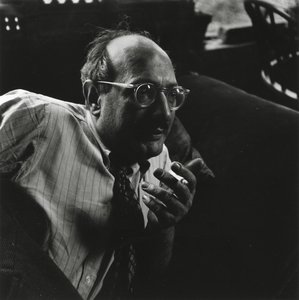
The painting depicts a man standing before a window, dressed in yellow shirt and black pants, gazing out at the scenery. A vibrant red wall serves as backdrop, enhancing the composition's dynamism. Rothko’s masterful technique captures the subject’s posture and expression.
نبذة عن الفنان
استكشف عالم مارك روثكو، الرائد في التعبيرية المجردة ولوحات الحقول اللونية. أعماله المؤثرة مثل "الرقصة" و"الكنيسة الروثكو" تعكس عمقًا عاطفيًا وتأثيرًا تاريخيًا هائلاً.
§ 3Commentary
The Weight of Silence: Contemplating Rothko’s Existential Vision
In the quietude of Mark Rothko’s Portrait 1, one encounters more than just a visual arrangement; one enters a profound dialogue with mortality. This work, emerging from the twilight of the artist's life in 1963, serves as an arresting stillness—a portrait not merely of a man, but of the deep, heavy contemplation inherent in confronting one's own end. While the canvas presents a figure standing before a window, the true subject is the palpable tension between the physical presence of the man and the vast, psychological space he inhabits. The composition captures a moment of profound introspection, where the boundaries between the individual and the infinite begin to blur.
The technique employed here is a masterclass in emotional condensation. Eschewing the frantic gestures of his contemporaries, Rothko utilized thin, luminous washes of pigment—vibrant cadmium yellows, deep crimsons, and somber ultramarine blues—to create expansive planes that seem to breathe upon the canvas. These colors are not merely decorative; they are conduits for raw sensation. As the edges of the rectangular forms bleed into one another, the viewer is invited to bypass intellectual analysis and instead tap into a primal, visceral experience. The way the red wall behind the subject vibrates against his yellow shirt creates a chromatic tension that mirrors the internal struggle between life's vitality and the encroaching shadows of uncertainty.
A Mirror to a Turbulent Era
To understand the gravity of this piece, one must look toward the historical landscape of the 1960s. As the world grappled with the anxieties of the Vietnam War and the looming threat of nuclear annihilation, Rothko sought refuge in a deliberate stripping away of the extraneous. This movement toward a refined minimalism was a reaction against the chaotic energy of earlier Abstract Expressionism. In this portrait, the simplicity of the man’s posture—hands on hips, gaze fixed outward—acts as a vessel for the collective anxieties of an era. The window behind him does not merely provide depth; it serves as a threshold between the known and the unknown, much like the artist's own transition from the tangible world to the realm of pure abstraction.
For the discerning collector or interior designer, this reproduction offers more than just aesthetic beauty; it provides an anchor of contemplative depth. The painting’s ability to command a room through its symbolic weight makes it a centerpiece for spaces dedicated to reflection and intellectual engagement. It is a work that demands presence, inviting anyone who stands before it to pause, breathe, and confront the beautiful, terrifying mystery of existence. Whether placed in a modern gallery setting or a private study, Portrait 1 remains an enduring testament to the power of color to evoke the human soul.
الأسئلة والأجوبة
ما مدى تشبع الألوان في "Portrait 1" للفنان مارك روثكو؟
تتميز لوحة "Portrait 1" للفنان مارك روثكو بدرجة تشبع تبلغ Clear Color Presence.
هل يمكن إعادة إنتاج صورة "Portrait 1" للفنان مارك روثكو بحرية؟
تندرج لوحة "Portrait 1" للفنان مارك روثكو ضمن لا تزال محمية بموجب حقوق الطبع والنشر. وتحدد هذه الحالة كيفية إعادة إنتاج صورة العمل الفني.
هل تُعد "Portrait 1" للفنان مارك روثكو من بين الأعمال الفنية المرغوبة ضمن حركة Abstract Expressionism؟
تُصنف "Portrait 1" للفنان مارك روثكو ضمن فئة Iconic وتنتمي إلى حركة Abstract Expressionism.


 التبديل إلى المطبوعات


 بالنسبة للأعمال الفنية أو النسخ المطبوعة التي يتجاوز طول أي من أضلاعها 105 سم (حوالي 41 بوصة)، سيتم شحن الإطار كمجموعة مفككة. تضمن هذه الطريقة سلامة التوصيل وتمنع حدوث أي أضرار أثناء النقل.



