


 معاينة الحجم الحقيقي
 مشاركة
 مشاركة
 التفاصيل

 تحميل الملف
 قطع مشابهة
 الأشعة السينية
 عرض شرائح
Summer


 عرض المزيد
طباعة جيلي / مطبوعات فنية
طباعة جيكلي أو كانفاس بجودة المتاحف، مع سرعة في التنفيذ وخيارات متنوعة للتشطيب. ( اشترِ لوحة مرسومة يدويًا اشترِ الصورة)




P118B $10

P118H $10

P118W $10

P438Z $10

P508JH $12

P508YH $12

P805H $10

P805Z $10

P919BZ $10

P919G $10

P919XJ $10

P959ZH $10

P968JZ $12

W106C $8

W218G $10

W218JH $8

W218Y $10

W307PJ $10

W316G $10

W316PJ $8

W316Y $10

W398PJ $8

W4111J $10

W500HY $15

W500JH $15

W692G $12

W849H $8

W940BG $15

W953PJ $8




اختر من بين أحجامنا المُعدّة مسبقًا والتي تتطابق مع النسب الأصلية للعمل الفني.

يمكنك إدخال أبعادك الخاصة لتناسب إطاراً أو مساحة معينة. وإذا لم يتطابق الحجم الذي اخترته مع نسب الصورة الأصلية، فسنقوم إما بقص العمل الفني أو تمديد الصورة باستخدام حافة معكوسة أو بلون مصمت. سيتم إرسال نموذج تجريبي رقمي لاعتمادك قبل بدء الإنتاج.
يرجى ملاحظة أن المعاينة على الشاشة لا تعكس عملية القص أو التمديد الفعلية؛ حيث سيوضح النموذج التجريبي فقط التكوين النهائي بدقة.
وعلى الرغم من توفر أحجام مخصصة، إلا أننا نوصي باختيار أبعاد من القائمة المحددة مسبقاً للحفاظ على النسب الأصلية.
توصيل عالمي إلى خلال أسبوعين بدلاً من المدة القياسية البالغة 4/5 أسابيع. 18 أغسطس

شحن سريع ومجاني لجميع أنحاء العالم

قماش كتان عالي الجودة

تأمين شحن شامل

ضمان استرداد الرسوم الجمركية

ضمان مطابقة الألوان الحقيقية

سياسة الإرجاع خلال 60 يومًا (في حالات العيوب فقط)

ضمان استرداد نقدي بنسبة 100%

خصم عند طلب عدة قطع
 خيار الزجاج متاح فقط للمقاسات التي تقل عن 110 سم

Summer
طباعة جيلي / مطبوعات فنية
مقاس النسخة المطبوعة
-


السعر الإجمالي النهائي
$ 64
وصف القطعة الفنية
Mary Moser Lloyd: A Pioneer of Floral Painting and Female Artistic Achievement
Mary Moser Lloyd (1744–1819) stands as one of the most celebrated female artists of the 18th century—a testament to her unwavering dedication to artistic excellence and a pivotal figure in establishing women’s presence within the burgeoning British art scene. Born in London, she benefited from the mentorship of her father, George Michael Moser, himself an accomplished artist and enameller, inheriting a lineage steeped in artistic tradition. This formative influence would prove instrumental in shaping her distinctive style and propelling her toward groundbreaking accomplishments. Early Life and Training: George Moser’s Influence: Mary’s father instilled in her a profound understanding of artistic technique, particularly enameling—a craft that demanded precision and meticulous observation. This grounding would later translate into the exceptional detail evident in her floral paintings, where she meticulously rendered petals, stems, and leaves with astonishing accuracy. Her father's encouragement fostered a love for beauty and craftsmanship that would define her artistic journey. The Royal Academy and Artistic Recognition: A Bold Step Forward: Mary Moser’s determination to pursue her passion for art led her to join the pioneering group of artists who established the Royal Academy in 1768—a monumental achievement for women at a time when societal expectations severely limited opportunities for female education and artistic endeavor. Alongside Angelica Kauffman, she bravely navigated the challenges faced by women aspiring to professional success within the male-dominated art world. The Academy’s founding was itself a symbol of intellectual curiosity and social reform, reflecting the broader Enlightenment ideals prevalent in Britain during her era. Floral Painting: A Distinctive Style Moser's Artistic Vision: Unlike many artists of her time who focused on grand historical narratives or mythological scenes—often deemed unsuitable for female painters—Mary Moser resolutely championed the art of floral painting. This choice wasn’t merely aesthetic; it represented a deliberate rejection of conventions and an embrace of a genre considered particularly feminine, reflecting the prevailing cultural understanding of women's roles and interests. Her canvases burst with vibrant hues and intricate textures, capturing the ephemeral beauty of summer blossoms with unparalleled sensitivity. Symbolism and Emotional Impact: Nature’s Reflection: Moser’s floral compositions weren’t simply decorative; they carried profound symbolic meaning. Flowers—particularly roses, lilies, and violets—were frequently used in portraiture to convey virtues such as purity, grace, and devotion—qualities considered essential for women upholding their domestic responsibilities and embodying ideal femininity. Her paintings evoked feelings of tranquility, contemplation, and admiration for the natural world, mirroring the Romantic sensibility that was gaining momentum during her lifetime. They served as a visual meditation on beauty, fragility, and the transformative power of observation. Legacy and Enduring Influence: A Trailblazer Remembered: Mary Moser Lloyd’s contribution to British art history remains remarkable—she was one of only two female founding members of the Royal Academy, securing her place among the most influential artists of her generation. Her unwavering commitment to artistic excellence paved the way for future generations of women pursuing careers in visual arts and solidified her legacy as a champion of feminine creativity and intellectual curiosity. Her work continues to inspire artists today, reminding us that beauty can be found in unexpected places—and that artistic vision knows no gender boundaries.أعمال فنية ذات صلة


السيرة الذاتية للفنان
Mary Moser Lloyd: A Pioneer of Floral Painting and Female Artistic Achievement
Mary Moser Lloyd (1744-1819), a remarkable English painter, stands as one of the most celebrated female artists of the 18th century—a testament to her unwavering dedication to artistic excellence and a pivotal figure in establishing women’s presence within the burgeoning British art scene. Born in London, she benefited from the mentorship of her father, George Michael Moser, himself an accomplished artist and enameller, inheriting a lineage steeped in artistic tradition. This formative influence would prove instrumental in shaping her distinctive style and propelling her toward groundbreaking accomplishments.- Early Life and Training: George Moser’s Influence: Mary’s father instilled in her a profound understanding of artistic technique, particularly enameling—a craft that demanded precision and meticulous observation. This grounding would later translate into the exceptional detail evident in her floral paintings.
- Founding Member of the Royal Academy: A Landmark Achievement: In 1768, alongside Angelica Kauffman, Mary Moser Lloyd achieved a monumental feat—she became one of the two founding members of the Royal Academy. This unprecedented inclusion underscored her determination to pursue artistic endeavors and solidified her position as a champion for female artists within British society.
The Artistry of Floral Still Life
Mary Moser Lloyd’s artistic legacy rests primarily upon her masterful depictions of flowers—a genre she helped elevate to prominence in British art. Unlike many contemporaries who favored grand historical narratives or portraiture, Moser focused on capturing the delicate beauty and intricate textures of botanical specimens. Her approach was characterized by meticulous scientific accuracy combined with an undeniable aesthetic sensibility. She painstakingly studied plant anatomy and coloration, translating her observations into canvases brimming with vibrant hues and nuanced shading—a technique that distinguishes her work from its peers.- Notable Floral Paintings: “Summer”: Perhaps her most iconic piece, “Summer,” exemplifies Moser’s artistic vision. This stunning watercolor captures the ethereal glow of sunlight filtering through foliage, showcasing an unparalleled level of realism and conveying a profound appreciation for the natural world.
- Technique and Observation: Scientific Precision: Moser's meticulous attention to detail—evident in her layering of translucent washes and careful rendering of petal contours—demonstrates her commitment to scientific observation. She wasn’t merely portraying flowers; she was documenting them with unwavering accuracy.
Influence and Legacy
Mary Moser Lloyd's contribution extended beyond her individual artworks, establishing herself as a trailblazer for women in British art history. Her success at the Royal Academy challenged societal expectations regarding female artistic pursuits—opening doors for future generations of women artists to pursue their passions without constraint.- Recognition and Museums: Victoria & Albert Museum: Mary Moser Lloyd’s paintings are housed in prestigious institutions such as the Victoria & Albert Museum, ensuring her artistic achievements endure for posterity.
- A Lasting Impression: Pioneer Spirit: Her unwavering dedication to her craft and her pioneering role within the Royal Academy cemented her place as one of Britain’s most important female artists—inspiring countless individuals to embrace creativity and defy conventional limitations.
Concluding Remarks
Mary Moser Lloyd's life and artistic endeavors serve as an enduring inspiration for art lovers worldwide. Her unwavering commitment to her craft, coupled with her groundbreaking achievement in establishing a space for women within the British art world—a feat rarely accomplished during her time—solidifies her legacy as a true visionary. As a testament to her talent and perseverance, Mary Moser Lloyd continues to captivate audiences with her exquisite floral paintings—a timeless reminder of artistic brilliance and unwavering determination.
mary moser lloyd
1744 - 1819 , United Kingdom
حقائق سريعة
- Artistic Movement Or Style: Floral Still Life
- Artists Or Movements Influenced By This Artist: ['Royal Academy']
- Artists Who Influenced This Artist: ['George Michael Moser']
- Date Of Birth: October 27, 1744
- Full Name: Mary Moser Lloyd
- Nationality: British
- Notable Artworks: ['Summer']
- Place Of Birth: London, England
مقالات ذات صلة

Sir Joshua Reynolds: Shaping British Art Through Grand Style & Societal Portraiture
Explore the life & work of Sir Joshua Reynolds, a master of British portraiture and founder of the Royal Academy. Discover his 'Grand Style,' techniques, and lasting influence on art history. Learn more at AllPaintingsStore.

Philip Connard: A Study in British Impressionism & the Evocation of Rural England
Explore the captivating world of Philip Connard (1875-1958), a leading British Impressionist painter renowned for his decorative landscapes and wartime artistry. Discover his life, legacy & available artworks at AllPaintingsStore.

Frederick William Elwell: A Study in British Landscape Painting & the Aesthetic Movement
Explore the life and work of Frederick William Elwell (1870-1958), a significant figure in British landscape painting and the Aesthetic Movement. Discover his captivating portraits, genre scenes & legacy.
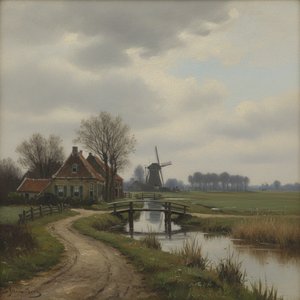
Jacob Henricus Maris: A Master of Dutch Atmospheric Realism & the Intimate Landscape
Explore the captivating world of Jacob Henricus Maris, a leading figure of the Dutch Hague School. Discover his atmospheric landscapes, signature brushstrokes & lasting influence on 19th-century art. Learn more at AllPaintingsStore.

أروع 25 تحفة فنية في المتحف البريطاني بلندن: تاريخ، فن، وديكور فاخر
اكتشف أروع 25 تحفة فنية في المتحف البريطاني بلندن! قصص روائع رامبرانت، فان جوخ، وغيرهم. لوحات كلاسيكية، ديكور فاخر، ونسخ أصلية عالية الجودة على AllPaintingsStore.com.



