


 معاينة الحجم الواقعي
 إرسال
إرسال مشاركة
 عرض التفاصيل
 دليل الأعمال الفنية للطلاب

 تحميل
تحميل
 قطع مشابهة
 الأشعة السينية
 عرض شرائح متتابع
 الإحصائيات
Untitled (10)
 Acrylic On Canvas
- WallArt
- Surrealism
 1949
1949 23.0 x 19.0 cm
 اقرأ المزيد
إن العمل الفني المعروض في هذه الصفحة محمي بموجب قوانين حقوق الطبع والنشر، مما يعني أنه لا يحق لنا قانوناً إنشاء أو بيع نسخ مطابقة له. وتُطبق هذه الحماية بموجب الاتفاقيات الدولية مثل الـ اتفاقية برن ووفقاً للقوانين الوطنية، بما في ذلك تلك المنصوص عليها في قانون حقوق الطبع والنشر في الولايات المتحدة - الباب 17.
تتوافق هذه الطريقة تماماً مع لوائح حقوق النشر لأنها لا تتضمن نسخ أو تكرار العمل الفني المحمي، بل هي إعادة تفسير إبداعية؛ أي أنها لوحة جديدة مستوحاة من الأصل ولكنها ليست مطابقة له.
طباعة جيلي / مطبوعات فنية
طباعة جيكلي أو كانفاس بجودة المتاحف، مع سرعة في التنفيذ وخيارات متنوعة للتشطيب. ( اطلب نسخة مرسومة يدويًا التحويل إلى الصورة الرقمية)




P118B E£10

P118H E£10

P118W E£10

P438Z E£10

P508JH E£12

P508YH E£12

P805H E£10

P805Z E£10

P919BZ E£10

P919G E£10

P919XJ E£10

P959ZH E£10

P968JZ E£12

W106C E£8

W218G E£10

W218JH E£8

W218Y E£10

W307PJ E£10

W316G E£10

W316PJ E£8

W316Y E£10

W398PJ E£8

W4111J E£10

W500HY E£15

W500JH E£15

W692G E£12

W849H E£8

W940BG E£15

W953PJ E£8




اختر من بين أحجامنا المُعدّة مسبقاً والتي تتوافق مع النسب الأصلية للعمل الفني.

أدخل العرض والارتفاع اللذين تحتاجهما، ليتناسب مع إطارك أو جدارك. يمكن قص المطبوعة فقط، ولا يمكن أبداً جعلها أكبر من الصورة الأصلية، لذا فإن أي مقاس بشكل مختلف سيؤدي إلى فقدان جزء من الصورة. سنرسل لك نموذجاً رقمياً تجريبياً لاعتماده قبل البدء في عملية الطباعة. الصورة المعروضة في هذه الصفحة لا توضح القص الفعلي — النموذج التجريبي فقط هو ما يظهر ذلك.
توصيل عالمي إلى خلال أسبوعين بدلاً من المدة القياسية البالغة 4/5 أسابيع. (23 أكتوبر)

شحن سريع ومجاني لجميع أنحاء العالم

قماش كتان فاخر

تأمين شامل على الشحن

ضمان استرداد الرسوم الجمركية

ضمان دقة مطابقة الألوان

سياسة الإرجاع خلال 100 يوم (في حالات العيوب فقط)

ضمان استرداد نقدي بنسبة 100%

عرض خصم الكميات
 خيار الزجاج متاح فقط للمقاسات التي تقل عن 110 سم

Untitled (10)
طباعة جيلي / مطبوعات فنية
مقاس النسخة المطبوعة
-


إجمالي السعر
E£ 3308
A Study in Restrained Brilliance: Max Ernst’s “Untitled (10)”
Max Ernst's "Untitled (10)," painted in 1949, is more than just a depiction of grapes on a wall; it’s a carefully constructed meditation on perception, isolation, and the subtle power of color. Measuring a modest 23 x 19 cm, this work invites us into a world where the familiar—a simple still life—is imbued with an unsettling quietude and a profound sense of psychological depth. The painting immediately draws the eye to the central cluster of grapes, rendered in rich, deep blues that seem to absorb light rather than reflect it. This deliberate choice of color establishes an atmosphere of introspection, hinting at hidden depths beneath the surface.
Ernst’s technique is characterized by a masterful control of texture and layering. The white sheet draped across the wall isn't merely a backdrop; it actively participates in the composition, creating a sense of enclosure and subtly disrupting our spatial understanding. The grapes themselves are painted with a delicate touch, their forms rendered with an almost photographic realism that contrasts sharply with the loose, gestural brushstrokes used to depict the surrounding space. This juxtaposition creates a tension between observation and interpretation, forcing us to actively engage with the artwork.
Roots in Surrealism and Dada
To fully appreciate “Untitled (10),” it’s crucial to understand Max Ernst's place within the artistic landscape of the early 20th century. Born in Brühl, Germany, in 1891, Ernst was a key figure in both the Dada and Surrealist movements. His early years were marked by a rejection of academic traditions and a fascination with psychological theories – he studied philosophy, art history, literature, psychology, and psychiatry at the University of Bonn. This intellectual grounding profoundly shaped his artistic approach, leading him to explore subconscious imagery, dreamlike scenarios, and unconventional techniques.
Dada, born out of the disillusionment following World War I, challenged conventional notions of art and embraced absurdity and chance. Ernst’s early collages, utilizing cut-and-pasted elements from magazines and advertisements, exemplify this spirit of experimentation. Surrealism, emerging in the 1920s, built upon Dada's principles while focusing on tapping into the realm of dreams and the unconscious mind. Ernst’s work frequently incorporates techniques like *frottage* (rubbing pencil over textured surfaces) and *grattage* (scraping paint across canvas), methods designed to unlock hidden imagery within the artist’s subconscious.
Symbolism and Emotional Resonance
The seemingly simple subject matter of “Untitled (10)” is rich with symbolic potential. The grapes, traditionally associated with abundance, fertility, and even mortality, take on a more ambiguous meaning in this context. Their placement against the stark white wall suggests a sense of isolation or perhaps a yearning for connection. The blue background evokes feelings of melancholy, introspection, and the vastness of the unknown – mirroring the artist’s own exploration of psychological themes.
The inclusion of the distant buildings in the background subtly anchors the scene within a recognizable reality, yet they remain indistinct, contributing to the overall atmosphere of detachment. It's this careful balance between the concrete and the abstract that elevates “Untitled (10)” beyond a mere still life; it becomes a poignant reflection on the human condition – a quiet meditation on beauty, loneliness, and the mysteries of perception.
A Reproduction for Your Space
AllPaintingsStore.com offers meticulously hand-painted reproductions of Max Ernst’s “Untitled (10),” capturing the artist's unique style and emotional depth with unparalleled accuracy. Each reproduction is created by skilled artisans using archival-quality materials, ensuring that your artwork will retain its vibrancy and beauty for generations to come. Whether you are a seasoned art collector or simply seeking to add a touch of sophisticated intrigue to your interior design, this reproduction provides an authentic and accessible way to experience the power of Max Ernst’s vision. Consider how the painting's cool blues and restrained palette can complement a variety of color schemes – perhaps pairing beautifully with warm neutrals or vibrant greens.
الأسئلة والأجوبة
أين يمكنني العثور على دليل لـ "Untitled (10)"؟
تتوفر صفحة دليل تعليمي لعمل "Untitled (10)" للفنان ماكس إرنست: وهي عبارة عن ورقة حقائق قابلة للطباعة حول العمل الفني، مُصممة خصيصاً للطلاب والاستخدام في الفصول الدراسية.
هل تُعد "Untitled (10)" من الأعمال الشهيرة في حركة Surrealism؟
ضمن حركة Surrealism، تتمتع لوحة "Untitled (10)" بمستوى شعبية Iconic.
في أي عام وفي أي مدرسة فنية أُنجز العمل "Untitled (10)"؟
يعود تاريخ "Untitled (10)" للفنان ماكس إرنست إلى عام 1949 وينتمي إلى Surrealism.
أعمال فنية مشابهة


نبذة عن الفنان
نشأة ماكس إرنست: من بروهل إلى عالم الأحلام
ولد ماكس إرنست في الأول من أبريل عام 1891، في بلدة بروهل الصغيرة الواقعة بالقرب من كولونيا بألمانيا. كانت طفولة إرنست تتسم بالصراع بين الانضباط الصارم الذي فرضه والده، وهو معلم للصم وهواة الرسم، وبين شغفه المتزايد بالفن والتعبير عن الذات. هذه الثنائية المبكرة شكلت جوهر رؤيته الفنية اللاحقة، حيث سعى باستمرار إلى تحدي السلطة التقليدية واستكشاف أعماق النفس البشرية. دراسته في جامعة بون، التي شملت الفلسفة وتاريخ الفن والأدب وعلم النفس والطب النفسي، لم تكن مجرد مسار أكاديمي بل كانت بمثابة حجر الزاوية في فهمه للعالم وتأثيراته على فنه. لقد كان يسعى ليس فقط إلى تعلم كيفية الرسم، بل إلى فهم *لماذا* يرسم.
في عام 1912، شهد إرنست تحولاً جوهريًا في مسيرته الفنية من خلال زيارته لمعرض "سوندربوند" في كولونيا. أمام أعمال بيكاسو وفان جوخ وغوغان، أدرك إرنست قوة التعبير الفني الحديث، وبدأ رحلته نحو تجديد مفهوم الفن نفسه. هذه اللحظة كانت بمثابة الشرارة التي أشعلت ثورة فنية في داخله.
دَادَا والسريالية: تحطيم القواعد واستكشاف اللاوعي
أحدث الحرب العالمية الأولى صدمة عميقة في حياة إرنست، حيث شهد بنفسه الأهوال والفظائع التي خلفتها. هذه التجربة المريرة دفعته إلى الانضمام إلى حركة الدَادَا بعد عودته إلى كولونيا عام 1918. مع هانز آرب وغيره من الفنانين، سعى إرنست إلى تفكيك كل ما هو تقليدي ومؤسس، واحتضان العبثية والص偶然 والمنطق السلبي. كانت الدَادَا بالنسبة له وسيلة للتعبير عن رفضه للحرب والمجتمع الذي أدى إليها.
لكن الدَادَا لم تكن سوى نقطة انطلاق. سرعان ما انتقل إرنست إلى باريس، حيث انخرط في حركة السريالية التي قادها أندريه بريتون. هنا، وجد أرضًا خصبة لاستكشاف عالم الأحلام واللاوعي، مستوحياً من نظريات سيغموند فرويد النفسية. لم يكن إرنست يسعى إلى تصوير الواقع كما يبدو، بل إلى الكشف عن القوى النفسية الخفية التي تشكله.
تقنيات رائدة: الفروتاج والجرتاج والكولاج
الفروتاج (Frottage) هي واحدة من أكثر التقنيات المبتكرة التي قدمها إرنست للعالم الفني. تعتمد هذه التقنية على فرك قلم الرصاص أو الفحم على أسطح ذات ملمس، مما ينتج عنه صور غير متوقعة وغامضة. لقد اكتشف إرنست هذه التقنية بالصدفة أثناء ملاحظة حبيبات الخشب، وأدرك أنها تتيح له الوصول إلى اللاوعي وتوليد أشكال تتجاوز السيطرة الواعية. تقنية الجرتاج(Grattage) هي تقنية مماثلة تعتمد على كشط الطلاء عبر القماش للكشف عن الطبقات الكامنة تحته.
كما أتقن إرنست استخدام الكولاج، حيث يجمع عناصر متباينة – صور من المجلات والرسوم التوضيحية العلمية والصور الفوتوغرافية – في تركيبات سريالية تتحدى المفاهيم التقليدية للتمثيل. لم تكن هذه التقنيات مجرد خيارات أسلوبية، بل كانت جزءًا لا يتجزأ من استكشافه اللاوعي ورغبته في كسر الحواجز الفنية التقليدية. غالبًا ما تتميز لوحاته بصور رمزية متكررة: الطيور (وخاصةً شخصيته البديلة لوبلوب) والمناظر الطبيعية المهجورة والتراكيب غير المريحة وإحساس عام بالغموض.
إرث الابتكار والتأثير
أدت الحرب العالمية الثانية إلى اضطراره إلى الفرار من أوروبا، حيث وجد ملاذاً في الولايات المتحدة. استمر إرنست في الرسم والتجريب بتقنيات جديدة خلال منفاه، وعاد لاحقًا إلى فرنسا حيث بقي نشطًا حتى وفاته في الأول من أبريل عام 1976 في باريس. تأثيره على الأجيال اللاحقة من الفنانين لا يضاهى.
كانت مساهمة ماكس إرنست في الدَادَا والسريالية بمثابة ثورة حقيقية. لقد تحدى الأعراف الفنية، وعمق في أعماق النفس البشرية، واختراع تقنيات مبتكرة لا تزال تلهم الفنانين حتى اليوم. لم يكن مجرد رسام، بل كان مستكشفًا ومثيرًا للجدل ورائدًا وسّع حدود الفن نفسه. إن أعماله تظل شهادة على قوة الخيال وجاذبية العقلانية الدائمة والسعي لفهم تعقيدات النفس البشرية.
- أعمال رئيسية: المدينة بأكملها، يوكلييدس، لا أحد من هؤلاء الرجال سيعرف، الغابة والحمامة
- تأثيرات: بابلو بيكاسو، فنسنت فان جوخ، بول غوغان، سيغموند فرويد، جورجيو دي شيريكو
- الحركات الفنية: الدَادَا، السريالية
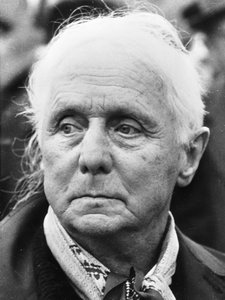
ماكس إرنست
1891 - 1976 , ألمانيا
لمحة سريعة
- الأعمال البارزة:
- المدينة بأكملها
- يوقليدس
- عن هذا لن يعرف أحد
- الغابة والحمام
- الاسم الكامل: ماكس إرنست
- الجنسية: ألماني أمريكي، فرنسي
- الحركات أو الفنانون المتأثرون:
- السريالية
- دادة
- الحركة الفنية: دادة وسريالية
- الفنانون المؤثرون:
- بابلو بيكاسو
- فنسنت فان جوخ
- بول غوغان
- جورجيو دي كيرتشو
- تاريخ الميلاد: 1 أبريل 1891
- مكان الميلاد: برول، ألمانيا
مقالات ذات صلة

AllPaintingsStore.com F.A.Q.: Transform Your Space with Custom Wall Murals & Frescoes
Elevate your estate with AllPaintingsStore.com’s bespoke wall murals and frescoes. Hand-painted by master artists, our custom trompe l'oeil works transform ceilings and walls into breathtaking masterpieces of Renaissance and modern grandeur.

Transform Your Walls: Top Trending Mural Styles from Botanical Jungles to Gold Leaf Geometry
Elevate your hospitality projects with our expert trend forecast on luxury mural styles. From biophilic botanical jungles to sophisticated gold leaf geometry, discover how bespoke architectural art transforms hotel interiors into immersive, high-end experiences.


