

1497. Acrylic On Canvas. المتحف الوطني دل برادو.

§ 1بيانات الكتالوج


§ 2تجريدي
وصف القطعة المقتناة
 عرض المزيد
السيرة الذاتية للفنان
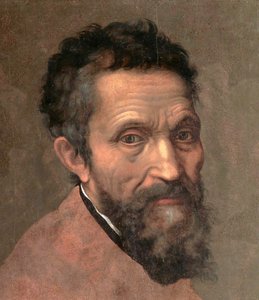
ميكيلانجيلو (1475-1564): استكشف إبداعات هذا الفنان الإيطالي العظيم من عصر النهضة، بما في ذلك منحوتة داود الرائعة ولوحات سقف كنيسة سيستين الشهيرة. أيقونة الفن الغربي!
§ 3تعليق
Michelangelo Buonarroti’s Bacchus: A Testament to Renaissance Idealism
Michelangelo Buonarroti, a name synonymous with the High Renaissance, resonates through centuries as a testament to human artistic potential. Born on March 6, 1475, in Caprese Michelangelo, nestled in the Tuscan hills of Italy, his life was an extraordinary convergence of talent, ambition, and divine inspiration. Though initially met with resistance from his father regarding an artistic path, young Michelangelo’s innate gift for drawing proved undeniable, setting him on a course to redefine the boundaries of sculpture, painting, and architecture.
The statue of Bacchus, sculpted by Michelangelo in 1497, stands as a cornerstone of Renaissance art—a masterful embodiment of classical ideals infused with humanist sensibilities. Crafted from Carrara marble, renowned for its purity and luminosity, it exemplifies Michelangelo’s unparalleled skill in capturing the human form and conveying emotion through stone.
- Subject Matter: The sculpture depicts Bacchus, the Roman god of wine, fertility, and revelry—a figure steeped in mythology and representing abundance and sensual pleasure.
- Style: Michelangelo’s style is characterized by anatomical precision, idealized beauty, and a dramatic sense of movement. He meticulously studied classical sculptures to achieve this level of realism while elevating the human form to divine proportions.
- Technique: Michelangelo employed subtractive sculpting techniques—chiseling away excess marble to reveal the underlying form—a method perfected during his apprenticeship under Ghirlandaio and honed throughout his prolific career.
Historical Context: Commissioned by Cardinal Riario, Bacchus reflects the artistic fervor of Florence during the Renaissance, a period marked by renewed interest in Greco-Roman culture and humanist thought. The statue’s placement at Palazzo di Riario underscored its significance as a symbol of aristocratic patronage and intellectual prestige.
Symbolism: Beyond its depiction of Dionysian ecstasy, Bacchus embodies several symbolic elements crucial to Renaissance art. The wreath of grapes signifies fertility and prosperity—themes central to humanist ideals—while the satyr companion represents primal instinct and earthly pleasures. Michelangelo’s masterful portrayal captures not merely a physical likeness but also an emotional essence, conveying the god's contemplative gaze and subtle gesture.
Emotional Impact: Viewing Bacchus evokes contemplation and admiration for Michelangelo’s artistic genius. The statue’s serene posture and expressive face invite viewers to consider themes of beauty, spirituality, and human experience—a legacy that continues to inspire artists and collectors alike. Its enduring presence in the Bargello National Museum serves as a reminder of the transformative power of art.
الأسئلة والأجوبة
ما مدى سطوع "Bacchus" للفنان مايكل أنجلو؟
تبلغ درجة سطوع "Bacchus" للفنان مايكل أنجلو ما يعادل Soft Shadow.
إلى أي حركة فنية ينتمي العمل "Bacchus" للفنان مايكل أنجلو؟
تنتمي لوحة "Bacchus" للفنان مايكل أنجلو إلى حركة Renaissance Sculpture الفنية، ويضع هذا التصنيف العمل ضمن سياق مجموعة من الفنانين والأعمال الفنية ذات الصلة.
هل يمكن إعادة إنتاج "Bacchus" للفنان مايكل أنجلو، الموجود في المتحف الوطني دل برادو، بشكل قانوني؟
تندرج لوحة "Bacchus" للفنان مايكل أنجلو، والمحفوظة في المتحف الوطني دل برادو، ضمن الملكية العامة (ملك عام - انتهت مدة حماية حقوق الطبع والنشر الخاصة به)؛ وتحدد هذه الحالة مدى إمكانية إعادة إنتاج الصورة.


 التبديل إلى نسخة مطبوعة


 بالنسبة للأعمال الفنية أو النسخ المطبوعة التي يتجاوز طول أي من أضلاعها 105 سم (حوالي 41 بوصة)، سيتم شحن الإطار كمجموعة مفككة؛ حيث تضمن هذه الطريقة سلامة التوصيل وتمنع حدوث أي أضرار أثناء النقل.



