


 معاينة الحجم الواقعي
 إرسال
إرسال مشاركة
 عرض التفاصيل
 دليل الأعمال الفنية للطلاب

 تحميل
تحميل
 قطع مشابهة
 الأشعة السينية
 عرض شرائح متتابع
 الإحصائيات
Pulpit


 اقرأ المزيد
طباعة جيلي / مطبوعات فنية
طباعة جيكلي أو كانفاس بجودة المتاحف، مع سرعة في التنفيذ وخيارات متنوعة للتشطيب. ( اطلب نسخة مرسومة يدويًا التحويل إلى الصورة الرقمية)




P118B E£10

P118H E£10

P118W E£10

P438Z E£10

P508JH E£12

P508YH E£12

P805H E£10

P805Z E£10

P919BZ E£10

P919G E£10

P919XJ E£10

P959ZH E£10

P968JZ E£12

W106C E£8

W218G E£10

W218JH E£8

W218Y E£10

W307PJ E£10

W316G E£10

W316PJ E£8

W316Y E£10

W398PJ E£8

W4111J E£10

W500HY E£15

W500JH E£15

W692G E£12

W849H E£8

W940BG E£15

W953PJ E£8




اختر من بين أحجامنا المُعدّة مسبقاً والتي تتوافق مع النسب الأصلية للعمل الفني.

أدخل العرض والارتفاع اللذين تحتاجهما، ليتناسب مع إطارك أو جدارك. يمكن قص المطبوعة فقط، ولا يمكن أبداً جعلها أكبر من الصورة الأصلية، لذا فإن أي مقاس بشكل مختلف سيؤدي إلى فقدان جزء من الصورة. سنرسل لك نموذجاً رقمياً تجريبياً لاعتماده قبل البدء في عملية الطباعة. الصورة المعروضة في هذه الصفحة لا توضح القص الفعلي — النموذج التجريبي فقط هو ما يظهر ذلك.
توصيل عالمي إلى خلال أسبوعين بدلاً من المدة القياسية البالغة 4/5 أسابيع. (28 أكتوبر)

شحن سريع ومجاني لجميع أنحاء العالم

قماش كتان فاخر

تأمين شامل على الشحن

ضمان استرداد الرسوم الجمركية

ضمان دقة مطابقة الألوان

سياسة الإرجاع خلال 100 يوم (في حالات العيوب فقط)

ضمان استرداد نقدي بنسبة 100%

عرض خصم الكميات
 خيار الزجاج متاح فقط للمقاسات التي تقل عن 110 سم

Pulpit
طباعة جيلي / مطبوعات فنية
مقاس النسخة المطبوعة
-


إجمالي السعر
E£ 3332
أعمال فنية مشابهة


نبذة عن الفنان
A Master of Baroque Flourish: The Life and Art of Michiel van der Voort
Michiel van der Voort the Elder, born in Antwerp in 1667 and passing away in the same city in 1737, stands as a pivotal figure in the transition from High Baroque to the more refined sensibilities of the Rococo period. Though perhaps not a household name like Rubens or Van Dyck, his influence on Flemish sculpture—particularly in ecclesiastical art—was profound. Nicknamed “Welgemaeckt” (Well-Made), van der Voort earned this moniker through the exceptional quality and intricate detail of his work, which graced many of Flanders’ most important churches. His life unfolded during a period of relative stability following the tumultuous religious wars that had plagued the region, allowing for a flourishing of artistic patronage and expression. He wasn't merely a sculptor; he was a storyteller in stone, capable of imbuing his creations with both dramatic power and subtle emotional nuance.Early Training and Artistic Foundations
Van der Voort’s early life remains somewhat shrouded in mystery, but it is known that he received rigorous training within the Antwerp guild system. The artistic climate of Antwerp at this time was steeped in the legacy of masters like François Duquesnoy, whose dynamic compositions and anatomical precision undoubtedly shaped van der Voort's developing style. The influence of Peter Paul Rubens also looms large; while van der Voort worked primarily in sculpture, the Baroque master’s emphasis on movement, theatricality, and emotional intensity is clearly discernible in his work. He was a keen observer of the human form, striving for realism but always tempered by an inherent sense of grace and elegance. His early works demonstrate a mastery of technical skill—the ability to render textures, drapery, and anatomical detail with remarkable accuracy—but also hint at a burgeoning artistic personality eager to move beyond mere imitation.The Pulpits: A Defining Achievement
Van der Voort’s most celebrated achievements are undoubtedly his pulpits. These were not simply platforms for delivering sermons; they were elaborate architectural and sculptural ensembles designed to inspire awe and reverence. The pulpit he created in 1723 stands as a testament to his genius—a Gothic cathedral rendered in wood, teeming with intricate carvings of biblical scenes, allegorical figures, and symbolic motifs. The sheer complexity of these structures is astonishing, requiring not only exceptional sculpting skills but also a deep understanding of architectural principles and theological iconography. He didn't just carve the wood; he breathed life into it, creating dynamic compositions that drew the eye upwards towards the heavens. The pulpit’s design reflects a blend of late Baroque exuberance and a growing appreciation for Classical forms—a hallmark of van der Voort’s evolving style. These pulpits became focal points within their respective churches, transforming the act of worship into a more immersive and emotionally engaging experience.Beyond the Pulpit: Busts and Secular Works
While best known for his ecclesiastical commissions, van der Voort also produced a significant body of secular sculpture, including busts and allegorical figures. His bust of Jacobus Franciscus van Caverson, for example, showcases his ability to capture not only the physical likeness of his subject but also their inner character. These portraits are characterized by a remarkable degree of realism—the subtle nuances of expression, the texture of skin and hair, the weight of the gaze—but they also possess a certain idealized quality that elevates them beyond mere representation. He explored mythological and allegorical subjects as well, demonstrating his versatility and intellectual curiosity. These works reveal a sculptor deeply engaged with the artistic currents of his time, capable of adapting his style to suit a variety of themes and purposes.Legacy and Historical Significance
Michiel van der Voort’s influence extended far beyond his own lifetime. He trained numerous sculptors who carried on his legacy, disseminating his techniques and aesthetic principles throughout Flanders and beyond. His work represents a crucial link between the High Baroque exuberance of the 17th century and the more refined sensibilities of the Rococo period.- He bridged the gap between dramatic intensity and Classical elegance.
- His pulpits transformed church interiors into immersive spaces for worship.
- His busts showcase a remarkable ability to capture both physical likeness and inner character.

Michiel Van Der Voort
1667 - 1737 , Belgium
لمحة سريعة
- Full Name: Michiel van der Voort
- Nationality: Belgian
- Date Of Birth: 1667
- Date Of Death: 1737
- Place Of Birth: Antwerp, Belgium
- Notable Artworks: ['Pulpit Design']
- Artistic Movement Or Style: Baroque Sculpture
- Artists Who Influenced This Artist: ['Jacobus Franciscus']
مقالات ذات صلة

Theatricality & Triumph: Baroque Drama in Painting & Sculpture
Explore the dramatic world of Baroque art! Discover its history, defining characteristics, & lasting influence on painting & sculpture. Expert insights into Caravaggio, Zurbarán, and Bernini – plus high-quality reproductions at AllPaintingsStore.

Bronze Sculptures That Defined Art History | AllPaintingsStore
Journey through art history with our Top 10 bronze sculptures! Explore masterpieces by Rodin, Michelangelo & more. Discover stories behind iconic statues and find museum-quality reproductions for your home decor at AllPaintingsStore.com.

The Enduring Form: Exploring Themes & Techniques in Sculpture Across Historical Periods
Explore the rich history of sculpture from ancient masterpieces to contemporary innovations. Discover key techniques, influential artists & investment potential for discerning art collectors.

The Dramatic Flourish: Exploring the Baroque Movement's Enduring Legacy in Art History
Explore the dramatic world of Baroque art! Discover iconic artists like Caravaggio & Rubens, defining techniques, and its lasting impact on art history. Expert insights for collectors & enthusiasts at AllPaintingsStore.
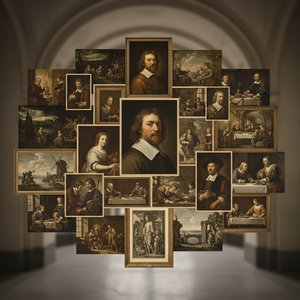
أعمال ريمبراند فان راين الخالدة: 25 تحفة فنية آسرة لديكور منزلك
اكتشف 25 تحفة فنية لريمبراند فان راين، رائد العصر الذهبي الهولندي. استكشف قصص لوحاته الشهيرة وتقنيات الرسم المذهلة. احصل على إعادة إنتاج عالية الجودة لديكور منزلك الفاخر على AllPaintingsStore.com

