


 معاينة الحجم الواقعي
 إرسال
إرسال مشاركة
 عرض التفاصيل
 دليل الأعمال الفنية للطلاب

 تحميل
تحميل
 قطع مشابهة
 الأشعة السينية
 عرض شرائح متتابع
 الإحصائيات
Extreme Unction
 Oil
Oil- WallArt
- Baroque Classicism
 1639
1639 95.0 x 121.0 cm
 اقرأ المزيد
طباعة جيلي / مطبوعات فنية
طباعة جيكلي أو كانفاس بجودة المتاحف، مع سرعة في التنفيذ وخيارات متنوعة للتشطيب. ( اطلب نسخة مرسومة يدويًا التحويل إلى الصورة الرقمية)




P118B E£10

P118H E£10

P118W E£10

P438Z E£10

P508JH E£12

P508YH E£12

P805H E£10

P805Z E£10

P919BZ E£10

P919G E£10

P919XJ E£10

P959ZH E£10

P968JZ E£12

W106C E£8

W218G E£10

W218JH E£8

W218Y E£10

W307PJ E£10

W316G E£10

W316PJ E£8

W316Y E£10

W398PJ E£8

W4111J E£10

W500HY E£15

W500JH E£15

W692G E£12

W849H E£8

W940BG E£15

W953PJ E£8




اختر من بين أحجامنا المُعدّة مسبقاً والتي تتوافق مع النسب الأصلية للعمل الفني.

أدخل العرض والارتفاع اللذين تحتاجهما، ليتناسب مع إطارك أو جدارك. يمكن قص المطبوعة فقط، ولا يمكن أبداً جعلها أكبر من الصورة الأصلية، لذا فإن أي مقاس بشكل مختلف سيؤدي إلى فقدان جزء من الصورة. سنرسل لك نموذجاً رقمياً تجريبياً لاعتماده قبل البدء في عملية الطباعة. الصورة المعروضة في هذه الصفحة لا توضح القص الفعلي — النموذج التجريبي فقط هو ما يظهر ذلك.
توصيل عالمي إلى خلال أسبوعين بدلاً من المدة القياسية البالغة 4/5 أسابيع. (25 أكتوبر)

شحن سريع ومجاني لجميع أنحاء العالم

قماش كتان فاخر

تأمين شامل على الشحن

ضمان استرداد الرسوم الجمركية

ضمان دقة مطابقة الألوان

سياسة الإرجاع خلال 100 يوم (في حالات العيوب فقط)

ضمان استرداد نقدي بنسبة 100%

عرض خصم الكميات
 خيار الزجاج متاح فقط للمقاسات التي تقل عن 110 سم

Extreme Unction
طباعة جيلي / مطبوعات فنية
مقاس النسخة المطبوعة
-


إجمالي السعر
E£ 3307
Extreme Unction: A Window into Mortality and Faith
Nicolas Poussin’s “Extreme Unction,” painted in 1639, is not merely a depiction of a religious ritual; it's a profoundly moving meditation on mortality, faith, and the acceptance of life’s inevitable end. Commissioned by Cassiano del Pozzo, an avid collector of antiquities and works of art, this painting forms part of Poussin’s ambitious “Seven Sacraments” series – a project that sought to visually illustrate the core tenets of Roman Catholicism. The work, now residing in the National Gallery in London alongside its companions, offers a rare glimpse into 17th-century European religious practice and the deeply personal experience of death and dying.
Poussin’s masterful command of Classicism is immediately evident. He eschews the dramatic theatricality often associated with Baroque painting for a carefully constructed scene imbued with order, harmony, and an almost unsettling serenity. The composition is meticulously balanced; the figures are arranged in a pyramidal structure that draws the eye towards the central figure receiving the last rites. The use of muted earth tones – ochres, browns, and greys – creates a somber atmosphere, punctuated by subtle highlights that emphasize the textures of the fabrics and the pallor of the dying man’s skin. Poussin's signature technique—a deliberate layering of thin glazes of oil paint—allows for remarkable luminosity and depth, capturing both the physical presence of the individuals and the ethereal quality of the spiritual realm.
The Ritual and its Symbolism
“Extreme Unction” vividly portrays the sacrament itself. The scene unfolds within a modest chamber, dominated by two simple benches that suggest a sense of quiet contemplation. A bowl, positioned near the dying man, is a crucial element – it represents the oil used in the ritual, symbolizing healing and purification. The presence of multiple attendants—mourners, priests, and assistants—underscores the communal nature of this sacred act. Notably, Poussin doesn’t depict overt grief or despair; instead, there's an air of acceptance, a quiet dignity that speaks to the spiritual preparation for death. The inclusion of the two benches in the background adds depth to the composition, creating a sense of space and suggesting the continuity between life and eternity.
The identity of the dying man remains deliberately ambiguous, adding to the painting’s universality. He is not a specific historical figure but rather an archetype – a representation of humanity facing its mortality. The priest administering the sacrament is similarly anonymous, further emphasizing the sacred nature of the event itself. Poussin's careful attention to detail—the folds of the robes, the expressions on the faces of the mourners—reveals his deep understanding of human anatomy and psychology. He doesn’t simply record a scene; he conveys an emotional truth about the human condition.
A Legacy of Classical Grace
“Extreme Unction” is more than just a religious painting; it's a testament to Poussin’s artistic genius and his ability to infuse classical principles with profound emotional resonance. The work reflects the influence of Renaissance masters, particularly Raphael, whose emphasis on clarity, proportion, and idealized beauty informed Poussin’s own style. However, Poussin transcends mere imitation; he transforms these influences into something uniquely his own—a synthesis of intellectual rigor and spiritual sensitivity.
The painting's enduring appeal lies in its ability to evoke a sense of both melancholy and hope. It acknowledges the inevitability of death but also celebrates the possibility of redemption and eternal life. As part of The Seven Sacraments, “Extreme Unction” serves as a poignant reminder of the importance of faith, compassion, and the acceptance of our shared mortality. Today, its preservation stands as a vital link to the artistic and spiritual landscape of 17th-century Europe, offering viewers an opportunity to contemplate profound questions about life, death, and the mysteries of the human soul.
الأسئلة والأجوبة
ما هي النبرة العاطفية التي تصاحب أسلوب Baroque Classicism في عمل "Extreme Unction"؟
يحمل "Extreme Unction" نبرة عاطفية Melancholic ضمن حركة Baroque Classicism.
أين يجب تعليق نسخة من "Extreme Unction" للفنان نيكولا بوزان؟
تتمثل حقيقة التنسيق (Landscape) والمساحة الموصى بها (Living Room) في المعلومات المسجلة لـ "Extreme Unction" للفنان نيكولا بوزان.
هل يمكنني مشاهدة "Extreme Unction" كعرض شرائح بملء الشاشة؟
يمكن عرض "Extreme Unction" للفنان نيكولا بوزان كعرض شرائح في صفحة عرض متتابع الخاصة بالعمل الفني.
أعمال فنية مشابهة


نبذة عن الفنان
نيكولا بوزان: نحات الكلاسيكية الفرنسية ومرشد الأجيال
ولد نيكولا بوزان في قلب نورماندي، بالقرب من مدينة أنديليس الساحرة، عام 1594، ليمثل نقطة تحول حاسمة في مسار الفن الفرنسي. لم يكن مجرد رسام، بل كان مفكرًا وفيلسوفًا عبر لوحاته، حيث أسس تقليد الكلاسيكية الفرنسية الذي سيؤثر في أجيال من الفنانين. على الرغم من أن سنواته الأولى ظلت غامضة بعض الشيء، إلا أنه سرعان ما اتضح أن موهبته الفنية كانت كامنة بداخلة، لتتفتح تحت إشراف كوينتن فارين، رسام الرحلات الذي اكتشف قدراته ووجهه نحو عالم الألوان والأشكال. رحلة بوزان إلى روما عام 1624 لم تكن مجرد انتقال جغرافي، بل كانت بمثابة رحلة روحية وفنية عميقة، حيث غرق في ينابيع الحضارة الكلاسيكية القديمة، مستلهمًا من آثارها العظيمة ومن أعمال الرسامين الإيطاليين أمثال رافائيل وتيتيان.روما: بوتقة التحول الفني
في روما، ازدهرت موهبة بوزان وتطورت بشكل ملحوظ. لم يكن يقتصر على مجرد نسخ الأساليب الكلاسيكية، بل كان يسعى إلى إعادة تفسيرها ودمجها في رؤيته الخاصة. انخرط في دائرة فكرية نابضة بالحياة، بقيادة كاسيانو دال بوزو، وهو عالم آثار وفيلسوف جمع بينه وبين بوزان شغف بالثقافة الكلاسيكية. أثرت هذه العلاقة بشكل كبير على عمل بوزان، حيث تعلم منه أهمية الدقة التاريخية والالتزام بالتفاصيل الأثرية. ابتعد بوزان عن الزخرفة المفرطة التي ميزت بعض فناني عصر الباروك، مفضلاً الوضوح والتوازن والتركيز على التكوين الخطي. درس أعمال رافائيل بعناية فائقة، مستلهمًا من تناغم ألوانه وتوزيع الأشكال في لوحاته، مع الحفاظ على هويته الفنية الفريدة.مواضيع التاريخ والأساطير والروحانية
تنوعت مواضيع بوزان بشكل كبير، إلا أنها اتسمت جميعها بالتزام عميق بالمبادئ الكلاسيكية. رسم مشاهد من التاريخ القديم، مثل مأساة جرمانيكوس، معبراً عن الوقار والشجاعة في مواجهة القدر المحتوم. لم تكن لوحاته الأسطورية مجرد إعادة سرد للقصص المألوفة، بل كانت استكشافات عميقة للطبيعة البشرية، مليئة بالرموز والمعاني الخفية. سلسلة "أركاديا"، وخاصةً لوحة "وإلى أركاديا أنا أيضاً"، أصبحت رمزاً لفلسفته حول الزوال والذاكرة الدائمة. كما لم يغفل بوزان عن المواضيع الدينية، حيث قدم لنا سلسلة "السبع طقوس" التي تجسد فهمه العميق للدين وقدرته على التعبير عن الروحانية من خلال تكوينات متوازنة وخطوط واضحة. حتى في لوحات المناظر الطبيعية الواسعة، سعى إلى تحقيق الانسجام والتوازن بين الواقع والخيال، لخلق رؤى تبعث على السكينة والهدوء.إرث فني خالد
على الرغم من قضاء معظم حياته المهنية في الخارج، ترك نيكولا بوزان بصمة لا تمحى على الفن الفرنسي. عاد لفترة وجيزة إلى باريس عام 1640 بناءً على طلب الكاردينال ريشيليو، حيث عُيّن رساماً أول للking، لكنه سرعان ما عاد إلى روما، حيث واصل عمله حتى وفاته عام 1665. ساهم التزامه بالمبادئ الكلاسيكية في وضع معايير التدريب الفني والممارسة في فرنسا، وأثر في أجيال من الفنانين الذين ساروا على دربه. أصبح شخصية بارزة في الأكاديمية الملكية للرسم والنحت، مما رسخ مكانته كركيزة أساسية في الكلاسيكية الفرنسية. اعترف فنانون مثل جاك لويس ديفيد وبول سيزان بجميل تعليمه وأفكاره، مما يدل على أن إرثه يتجاوز مجرد التقليد الأسلوبي؛ فهو يمثل التزاماً بالترتيب والوضوح وقوة المثل العليا الكلاسيكية - شهادة لفنان سعى ليس فقط إلى تصوير العالم بل إلى الارتقاء به من خلال عدسة العقل والجمال.- أعمال بارزة: *موت جرمانيكوس*, *سلسلة السبع طقوس*, *طريق روماني*, *أوريون الأعمى يبحث عن الشمس*, *الفصول*.
- خصائص رئيسية: تكوين كلاسيكي، خطية، مواضيع تاريخية وأسطورية، مناظر طبيعية هادئة.
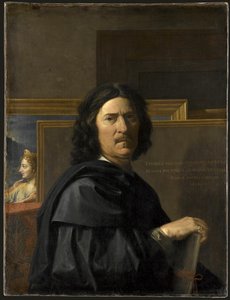
نيكولا بوزان
1594 - 1665 , فرنسا
لمحة سريعة
- أعمال فنية بارزة:
- وفاة جيرمانيكوس
- سلسلة الأسرار المقدسة
- طريق روماني
- أوريون الأعمى
- الفصول
- الاسم الكامل: نيكولا بوزان
- الجنسية: فرنسي
- الحركة الفنية: باروكي، كلاسيكية
- تاريخ الميلاد: يونيو 1594
- حركات فنية متأثرة:
- جاك لويس ديفيد
- بول سيزان
- فنانون مؤثرون:
- رافائيل
- تيتيان
- مكان الميلاد: لو هافر، فرنسا
مقالات ذات صلة

Oil on Canvas: A Historical & Technical Exploration of a Timeless Artistic Medium
Explore the rich history & enduring techniques of oil painting on canvas. Discover the science behind its longevity, conservation practices, and contemporary relevance. Expert insights for art enthusiasts.

Nicolas Poussin: Classicism, Allegory & Order in 17th-Century French Painting
Explore the life & work of Nicolas Poussin, a master of French Classicism. Discover his allegorical paintings, Roman influences, and enduring impact on art history. Expert analysis & insights.

Baroque Classicism: Reconciling Drama & Order in 17th-Century Art
Explore the captivating world of Baroque Classicism! Discover its history, key artists like Caravaggio & Rubens, and defining characteristics. Expert insights & high-quality reproductions at AllPaintingsStore.

دراما الباروك: إحياء الفخامة والعاطفة في الدواخل المعاصرة
اكتشف سحر الباروك! دليل شامل حول الحركة الفنية، عناصرها الجمالية، وكيفية دمج فخامتها وعاطفتها في الدواخل المعاصرة. نصائح من خبراء AllPaintingsStore لإضفاء لمسة باروكية على منزلك.

The Enduring Power of Painting: A Historical & Contemporary Exploration of Form and Emotion
Explore the rich history & enduring techniques of oil painting with AllPaintingsStore. Discover masterpieces, learn about art collecting, and find authentic handmade reproductions crafted by skilled artists.


