


 معاينة الحجم الواقعي
 إرسال
إرسال مشاركة
 عرض التفاصيل
 دليل الأعمال الفنية للطلاب

 تحميل
تحميل
 قطع مشابهة
 الأشعة السينية
 عرض شرائح متتابع
 الإحصائيات
Midas and Bacchus
 زيت على قماش
- لوحات جدارية
- Baroque
 1629
1629- العصر الحديث المبكر
 98.0 x 130.0 cm
 Alte Pinakothek
 اقرأ المزيد
طباعة جيلي / مطبوعات فنية
طباعة جيكلي أو كانفاس بجودة المتاحف، مع سرعة في التنفيذ وخيارات متنوعة للتشطيب. ( اطلب نسخة مرسومة يدويًا التحويل إلى الصورة الرقمية)




P118B E£10

P118H E£10

P118W E£10

P438Z E£10

P508JH E£12

P508YH E£12

P805H E£10

P805Z E£10

P919BZ E£10

P919G E£10

P919XJ E£10

P959ZH E£10

P968JZ E£12

W106C E£8

W218G E£10

W218JH E£8

W218Y E£10

W307PJ E£10

W316G E£10

W316PJ E£8

W316Y E£10

W398PJ E£8

W4111J E£10

W500HY E£15

W500JH E£15

W692G E£12

W849H E£8

W940BG E£15

W953PJ E£8




اختر من بين أحجامنا المُعدّة مسبقاً والتي تتوافق مع النسب الأصلية للعمل الفني.

أدخل العرض والارتفاع اللذين تحتاجهما، ليتناسب مع إطارك أو جدارك. يمكن قص المطبوعة فقط، ولا يمكن أبداً جعلها أكبر من الصورة الأصلية، لذا فإن أي مقاس بشكل مختلف سيؤدي إلى فقدان جزء من الصورة. سنرسل لك نموذجاً رقمياً تجريبياً لاعتماده قبل البدء في عملية الطباعة. الصورة المعروضة في هذه الصفحة لا توضح القص الفعلي — النموذج التجريبي فقط هو ما يظهر ذلك.
توصيل عالمي إلى خلال أسبوعين بدلاً من المدة القياسية البالغة 4/5 أسابيع. (24 أكتوبر)

شحن سريع ومجاني لجميع أنحاء العالم

قماش كتان فاخر

تأمين شامل على الشحن

ضمان استرداد الرسوم الجمركية

ضمان دقة مطابقة الألوان

سياسة الإرجاع خلال 100 يوم (في حالات العيوب فقط)

ضمان استرداد نقدي بنسبة 100%

عرض خصم الكميات
 خيار الزجاج متاح فقط للمقاسات التي تقل عن 110 سم

Midas and Bacchus
طباعة جيلي / مطبوعات فنية
مقاس النسخة المطبوعة
-


إجمالي السعر
E£ 3308
Subject and Narrative: The Myth of Midas and Bacchus
Nicolas Poussin's "Midas and Bacchus," painted in 1629, vividly portrays a pivotal moment from Greek mythology. The scene depicts King Midas, renowned for his unfortunate wish that everything he touched would turn to gold, seeking redemption from the god of wine and revelry, Bacchus. The painting captures Midas kneeling humbly before Bacchus, seemingly pleading for relief from the curse that has rendered even sustenance unattainable. Bacchus, in turn, appears compassionate, extending a hand towards the suffering king while holding a cup – a symbol of his domain over wine and pleasure, now juxtaposed with Midas's desperate situation. The presence of Silenus, Bacchus’s companion, adds to the mythological richness of the scene, representing wisdom and indulgence. The inclusion of nymphs, fauns, and shepherds populating the idyllic landscape further enhances the narrative depth, grounding the divine encounter within a pastoral setting.
Style and Technique: Classical Harmony and Baroque Drama
"Midas and Bacchus" exemplifies Poussin's signature style – a blend of classical restraint and Baroque drama. Poussin was deeply influenced by Renaissance art and sought to emulate the clarity, balance, and intellectual rigor of artists like Raphael. This is evident in the painting’s carefully structured composition, where figures are arranged with geometric precision, creating a sense of order and harmony. However, the work also showcases elements characteristic of the Baroque period, such as dramatic lighting and emotional intensity. Poussin's masterful use of oil paint allows for subtle gradations of color and texture, bringing depth and realism to the scene. The meticulous attention to detail in rendering fabrics, foliage, and human anatomy demonstrates his technical skill and dedication to artistic perfection. The overall effect is a visually stunning representation that balances intellectual contemplation with emotional resonance.
Historical Context: A Reflection on Human Nature
Painted during the Baroque era, "Midas and Bacchus" reflects broader cultural trends of the time. The 17th century was marked by religious conflict, political upheaval, and a renewed interest in classical antiquity. Poussin’s work often explored themes of morality, virtue, and human fallibility, drawing inspiration from mythology and history to comment on contemporary society. The story of Midas serves as a cautionary tale about the dangers of greed and unchecked desire – a message that would have resonated with audiences grappling with economic inequality and social unrest. Furthermore, Poussin’s emphasis on classical ideals aligned with the Baroque era's fascination with ancient Greece and Rome, contributing to the revival of classical forms and themes in art.
Symbolism and Emotional Impact: A Meditation on Transience
Beyond its narrative content, "Midas and Bacchus" is rich in symbolic meaning. The golden touch, initially perceived as a blessing, becomes a curse, symbolizing the fleeting nature of material wealth and the importance of appreciating true values. Bacchus’s presence represents both indulgence and divine power – a reminder that even gods can offer mercy to those who demonstrate humility. The idyllic landscape surrounding the figures serves as a backdrop for this profound encounter, highlighting the contrast between the ephemeral pleasures of earthly life and the enduring truths of human existence. Emotionally, the painting evokes a sense of pathos and contemplation. Midas’s despair is palpable, while Bacchus's compassion inspires hope. The overall effect is a deeply moving work that invites viewers to reflect on their own desires, values, and place in the world.
A Timeless Masterpiece: Enduring Appeal
"Midas and Bacchus" remains a celebrated masterpiece of Baroque art, admired for its technical brilliance, intellectual depth, and emotional power. Its enduring appeal lies in its ability to transcend time and culture, offering timeless insights into the human condition. Whether viewed as a historical artifact or a source of artistic inspiration, this painting continues to captivate audiences with its beauty and profound message.
الأسئلة والأجوبة
هل تُعد "Midas and Bacchus" للفنان نيكولا بوزان من بين الأعمال الفنية المرغوبة ضمن حركة Baroque؟
تُصنف لوحة "Midas and Bacchus" على أنها مرموقون ضمن أعمال Baroque في الكتالوج.
ما هو المكان الأنسب لتنسيق "Midas and Bacchus" للفنان نيكولا بوزان؟
بفضل شكلها الـ أفقي، يُقترح وضع نسخة من "Midas and Bacchus" في غرفة المعيشة.
إلى أي مرحلة من مراحل تطور نيكولا بوزان ينتمي العمل "Midas and Bacchus"؟
"Midas and Bacchus" represents the Early Period of نيكولا بوزان.
أعمال فنية مشابهة


نبذة عن الفنان
نيكولا بوزان: نحات الكلاسيكية الفرنسية ومرشد الأجيال
ولد نيكولا بوزان في قلب نورماندي، بالقرب من مدينة أنديليس الساحرة، عام 1594، ليمثل نقطة تحول حاسمة في مسار الفن الفرنسي. لم يكن مجرد رسام، بل كان مفكرًا وفيلسوفًا عبر لوحاته، حيث أسس تقليد الكلاسيكية الفرنسية الذي سيؤثر في أجيال من الفنانين. على الرغم من أن سنواته الأولى ظلت غامضة بعض الشيء، إلا أنه سرعان ما اتضح أن موهبته الفنية كانت كامنة بداخلة، لتتفتح تحت إشراف كوينتن فارين، رسام الرحلات الذي اكتشف قدراته ووجهه نحو عالم الألوان والأشكال. رحلة بوزان إلى روما عام 1624 لم تكن مجرد انتقال جغرافي، بل كانت بمثابة رحلة روحية وفنية عميقة، حيث غرق في ينابيع الحضارة الكلاسيكية القديمة، مستلهمًا من آثارها العظيمة ومن أعمال الرسامين الإيطاليين أمثال رافائيل وتيتيان.روما: بوتقة التحول الفني
في روما، ازدهرت موهبة بوزان وتطورت بشكل ملحوظ. لم يكن يقتصر على مجرد نسخ الأساليب الكلاسيكية، بل كان يسعى إلى إعادة تفسيرها ودمجها في رؤيته الخاصة. انخرط في دائرة فكرية نابضة بالحياة، بقيادة كاسيانو دال بوزو، وهو عالم آثار وفيلسوف جمع بينه وبين بوزان شغف بالثقافة الكلاسيكية. أثرت هذه العلاقة بشكل كبير على عمل بوزان، حيث تعلم منه أهمية الدقة التاريخية والالتزام بالتفاصيل الأثرية. ابتعد بوزان عن الزخرفة المفرطة التي ميزت بعض فناني عصر الباروك، مفضلاً الوضوح والتوازن والتركيز على التكوين الخطي. درس أعمال رافائيل بعناية فائقة، مستلهمًا من تناغم ألوانه وتوزيع الأشكال في لوحاته، مع الحفاظ على هويته الفنية الفريدة.مواضيع التاريخ والأساطير والروحانية
تنوعت مواضيع بوزان بشكل كبير، إلا أنها اتسمت جميعها بالتزام عميق بالمبادئ الكلاسيكية. رسم مشاهد من التاريخ القديم، مثل مأساة جرمانيكوس، معبراً عن الوقار والشجاعة في مواجهة القدر المحتوم. لم تكن لوحاته الأسطورية مجرد إعادة سرد للقصص المألوفة، بل كانت استكشافات عميقة للطبيعة البشرية، مليئة بالرموز والمعاني الخفية. سلسلة "أركاديا"، وخاصةً لوحة "وإلى أركاديا أنا أيضاً"، أصبحت رمزاً لفلسفته حول الزوال والذاكرة الدائمة. كما لم يغفل بوزان عن المواضيع الدينية، حيث قدم لنا سلسلة "السبع طقوس" التي تجسد فهمه العميق للدين وقدرته على التعبير عن الروحانية من خلال تكوينات متوازنة وخطوط واضحة. حتى في لوحات المناظر الطبيعية الواسعة، سعى إلى تحقيق الانسجام والتوازن بين الواقع والخيال، لخلق رؤى تبعث على السكينة والهدوء.إرث فني خالد
على الرغم من قضاء معظم حياته المهنية في الخارج، ترك نيكولا بوزان بصمة لا تمحى على الفن الفرنسي. عاد لفترة وجيزة إلى باريس عام 1640 بناءً على طلب الكاردينال ريشيليو، حيث عُيّن رساماً أول للking، لكنه سرعان ما عاد إلى روما، حيث واصل عمله حتى وفاته عام 1665. ساهم التزامه بالمبادئ الكلاسيكية في وضع معايير التدريب الفني والممارسة في فرنسا، وأثر في أجيال من الفنانين الذين ساروا على دربه. أصبح شخصية بارزة في الأكاديمية الملكية للرسم والنحت، مما رسخ مكانته كركيزة أساسية في الكلاسيكية الفرنسية. اعترف فنانون مثل جاك لويس ديفيد وبول سيزان بجميل تعليمه وأفكاره، مما يدل على أن إرثه يتجاوز مجرد التقليد الأسلوبي؛ فهو يمثل التزاماً بالترتيب والوضوح وقوة المثل العليا الكلاسيكية - شهادة لفنان سعى ليس فقط إلى تصوير العالم بل إلى الارتقاء به من خلال عدسة العقل والجمال.- أعمال بارزة: *موت جرمانيكوس*, *سلسلة السبع طقوس*, *طريق روماني*, *أوريون الأعمى يبحث عن الشمس*, *الفصول*.
- خصائص رئيسية: تكوين كلاسيكي، خطية، مواضيع تاريخية وأسطورية، مناظر طبيعية هادئة.
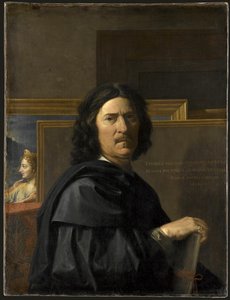
نيكولا بوزان
1594 - 1665 , فرنسا
لمحة سريعة
- أعمال فنية بارزة:
- وفاة جيرمانيكوس
- سلسلة الأسرار المقدسة
- طريق روماني
- أوريون الأعمى
- الفصول
- الاسم الكامل: نيكولا بوزان
- الجنسية: فرنسي
- الحركة الفنية: باروكي، كلاسيكية
- تاريخ الميلاد: يونيو 1594
- حركات فنية متأثرة:
- جاك لويس ديفيد
- بول سيزان
- فنانون مؤثرون:
- رافائيل
- تيتيان
- مكان الميلاد: لو هافر، فرنسا
مقالات ذات صلة

أعلى 10 روائع باروكية رسمت مسار الفن وجمالية الديكور | AllPaintingsStore
اكتشف روائع عصر الباروك! استكشف 10 لوحات فنية خالدة مع كارافاجيو، رامبرانت وغيرهم. تاريخ الفن، أسلوب باروكي مذهل، و ديكور منزلي فاخر. تسوق إعادة إنتاج فني عالي الجودة على AllPaintingsStore.com

The Dramatic Flourish: Exploring the Baroque Movement's Enduring Legacy in Art History
Explore the dramatic world of Baroque art! Discover iconic artists like Caravaggio & Rubens, defining techniques, and its lasting impact on art history. Expert insights for collectors & enthusiasts at AllPaintingsStore.

Baroque Painting's Greatest Hits: 10 Masterpieces for Your Home | AllPaintingsStore
Journey through Baroque painting's glory! Explore 10 masterpieces by Caravaggio, Rembrandt & Vermeer. Discover dramatic lighting, rich colors & timeless stories. Find museum-quality art reproductions for your home at AllPaintingsStore.com.

Nicolas Poussin: Classicism, Allegory & Order in 17th-Century French Painting
Explore the life & work of Nicolas Poussin, a master of French Classicism. Discover his allegorical paintings, Roman influences, and enduring impact on art history. Expert analysis & insights.

دراما الباروك: إحياء الفخامة والعاطفة في الدواخل المعاصرة
اكتشف سحر الباروك! دليل شامل حول الحركة الفنية، عناصرها الجمالية، وكيفية دمج فخامتها وعاطفتها في الدواخل المعاصرة. نصائح من خبراء AllPaintingsStore لإضفاء لمسة باروكية على منزلك.


