

1971. Ink On Paper.

§ 1بيانات الكتالوج


هذا العمل الفني محمي بموجب حقوق الطبع والنشر
إن العمل الفني المعروض في هذه الصفحة محمي بموجب قوانين حقوق الطبع والنشر، مما يعني أنه لا يحق لنا قانوناً إنشاء أو بيع نسخ مطابقة له. وتُطبق هذه الحماية بموجب الاتفاقيات الدولية مثل الـ اتفاقية برن ووفقاً للقوانين الوطنية، بما في ذلك تلك المنصوص عليها في قانون حقوق الطبع والنشر في الولايات المتحدة - الباب 17.
وكبديل قانوني وراقٍ، نقدم أعمالاً فنية مخصصة ومرسومة يدوياً مستوحاة من العمل الأصلي. حيث يقوم فنانونا المهرة والمحترفون بدراسة أسلوب العمل الأصلي وأجوائه وجوهره الفني بعناية فائقة، لابتكار قطعة جديدة وفريدة تثير الشعور ذاته - مع بقائها عملاً أصيلاً بحد ذاته.
تتوافق هذه الطريقة تماماً مع لوائح حقوق النشر لأنها لا تتضمن نسخ أو تكرار العمل الفني المحمي، بل هي إعادة تفسير إبداعية؛ أي أنها لوحة جديدة مستوحاة من الأصل ولكنها ليست مطابقة له.
 للمزيد من المعلومات
§ 2تجريدي
وصف القطعة المقتناة
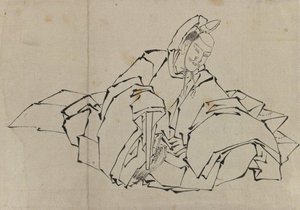
A striking Cubist monochrome drawing by Pablo Picasso from 1971 explores the surreal tension between a regal figure and a nude form through geometric abstraction, inviting you to explore this masterpiece of duality.
السيرة الذاتية للفنان
بابلو بيكاسو (1881-1973) رسام ونحات إسباني ثوري، ومؤسس مشارك للتكعيبية، ومبدع في أساليب متنوعة. اشتهر بأعمال أيقونية مثل غرنيكا ونساء أفينيون، ولا يزال إرثه الفني مصدر إلهام للعالم.
§ 3تعليق
A Surreal Dialogue Between Power and Vulnerability
In the vast, revolutionary canon of Pablo Picasso, few works capture the profound tension of the human condition as intimately as "Untitled (63)". Created in 1971, during the twilight of his extraordinary life, this monochrome masterpiece serves as a hauntingly beautiful meditation on duality. The drawing does not merely present figures; it stages a silent, psychological drama between two opposing forces. On one side, we encounter a figure of imposing authority—a queen-like presence seated upon a throne of sharp, geometric precision. Her form is constructed from rigid, angular planes that evoke the unyielding nature of power and tradition. Yet, this structural strength finds its perfect, poignant counterpoint in the nude female figure positioned to the right. Rendered with flowing, organic contours and soft, curvilinear lines, she embodies a sense of raw vulnerability and natural grace. It is a composition that breathes with an unspoken exchange, inviting the viewer to witness a subtle challenge to established norms.
The emotional resonance of this piece lies in its ability to evoke both unease and profound contemplation. As one gazes upon the bifurcated canvas, the eye is drawn into the friction between the architectural stability of the seated figure and the fluid, ephemeral beauty of the nude form. This juxtaposition creates a sense of surrealism that transcends simple figuration, touching upon universal themes of dominance and fragility. For the collector or the interior designer, this artwork offers more than just visual interest; it provides a focal point of intellectual depth. It is a piece that demands presence in a room, acting as a window into the complexities of perception and the eternal dance between the structured world we build and the organic reality we inhabit.
Mastery of Line and the Cubist Legacy
Technically, "Untitled (63)" is a triumph of Picasso’s late-period mastery, showcasing his ability to manipulate the simplest of mediums—pen and ink on paper—to achieve extraordinary depth. The artwork is a testament to the enduring influence of Cubism, yet it moves beyond mere fragmentation into a more lyrical, expressive territory. Picasso utilizes a sophisticated array of hatching and cross-hatching techniques to sculpt light and shadow from the void. These meticulous lines do not merely define edges; they create texture and volume, giving weight to the throne's heavy geometry while lending a soft, tactile quality to the flowing hair and skin of the female figure. The monochromatic palette, stripped of the distractions of color, forces the viewer to focus entirely on the rhythm of the strokes and the interplay of black and white.
The flattened perspective, a hallmark of the Cubist movement, serves a vital symbolic purpose here. By disrupting conventional spatial depth, Picasso prevents the viewer from becoming a passive observer; instead, we are forced to navigate multiple viewpoints simultaneously, much like the multifaceted nature of truth itself. The use of sharp triangles and rectangles in the left portion of the composition reinforces a sense of structural permanence, while the more fluid, organic shapes on the right suggest movement and life. This technical brilliance ensures that every time one views a high-quality reproduction of this work, new details emerge from the shadows—a new layer of texture, a sharper angle, or a softer curve—making it an endlessly captivating addition to any curated collection of modern art.
الأسئلة والأجوبة
من هو مؤلف "Untitled (63)" وفي أي عام أُنتج؟
أبدع بابلو بيكاسو لوحة "Untitled (63)" في عام 1971.
هل يغلب على "Untitled (63)" الطابع الفاتح أم الداكن بشكل عام؟
تُسجل درجة سطوع "Untitled (63)" للفنان بابلو بيكاسو عند brilliant، مع مستوى لمعان يبلغ Luminous.
إلى أي حقبة تاريخية ينتمي "Untitled (63)" للفنان بابلو بيكاسو؟
تعود "Untitled (63)" إلى عصر Modern.





 التبديل إلى نسخة مطبوعة


 بالنسبة للأعمال الفنية أو النسخ المطبوعة التي يتجاوز طول أي من أضلاعها 105 سم (حوالي 41 بوصة)، سيتم شحن الإطار كمجموعة مفككة؛ حيث تضمن هذه الطريقة سلامة التوصيل وتمنع حدوث أي أضرار أثناء النقل.


