


 معاينة الحجم الواقعي
 إرسال
إرسال مشاركة
 عرض التفاصيل
 دليل الأعمال الفنية للطلاب

 تحميل
تحميل
 قطع مشابهة
 الأشعة السينية
 عرض شرائح متتابع
 الإحصائيات
Hope


 اقرأ المزيد
طباعة جيلي / مطبوعات فنية
طباعة جيكلي أو كانفاس بجودة المتاحف، مع سرعة في التنفيذ وخيارات متنوعة للتشطيب. ( اطلب نسخة مرسومة يدويًا التحويل إلى الصورة الرقمية)




P118B E£10

P118H E£10

P118W E£10

P438Z E£10

P508JH E£12

P508YH E£12

P805H E£10

P805Z E£10

P919BZ E£10

P919G E£10

P919XJ E£10

P959ZH E£10

P968JZ E£12

W106C E£8

W218G E£10

W218JH E£8

W218Y E£10

W307PJ E£10

W316G E£10

W316PJ E£8

W316Y E£10

W398PJ E£8

W4111J E£10

W500HY E£15

W500JH E£15

W692G E£12

W849H E£8

W940BG E£15

W953PJ E£8




اختر من بين أحجامنا المُعدّة مسبقاً والتي تتوافق مع النسب الأصلية للعمل الفني.

أدخل العرض والارتفاع اللذين تحتاجهما، ليتناسب مع إطارك أو جدارك. يمكن قص المطبوعة فقط، ولا يمكن أبداً جعلها أكبر من الصورة الأصلية، لذا فإن أي مقاس بشكل مختلف سيؤدي إلى فقدان جزء من الصورة. سنرسل لك نموذجاً رقمياً تجريبياً لاعتماده قبل البدء في عملية الطباعة. الصورة المعروضة في هذه الصفحة لا توضح القص الفعلي — النموذج التجريبي فقط هو ما يظهر ذلك.
توصيل عالمي إلى خلال أسبوعين بدلاً من المدة القياسية البالغة 4/5 أسابيع. (27 أكتوبر)

شحن سريع ومجاني لجميع أنحاء العالم

قماش كتان فاخر

تأمين شامل على الشحن

ضمان استرداد الرسوم الجمركية

ضمان دقة مطابقة الألوان

سياسة الإرجاع خلال 100 يوم (في حالات العيوب فقط)

ضمان استرداد نقدي بنسبة 100%

عرض خصم الكميات
 خيار الزجاج متاح فقط للمقاسات التي تقل عن 110 سم

Hope
طباعة جيلي / مطبوعات فنية
مقاس النسخة المطبوعة
-


إجمالي السعر
E£ 3332
Paolo Uccello’s ‘Hope’: A Renaissance Vision of Faith and Ascent
Paolo Uccello's “Hope,” painted around 1435, is not merely a depiction of a woman reaching towards the heavens; it’s a profound exploration of faith, perspective, and the burgeoning humanist ideals of the Early Renaissance. This captivating work, housed within the Duomo di Firenze (Florence Cathedral), offers a glimpse into Uccello's unique artistic vision – one characterized by an obsessive pursuit of mathematical precision blended with a vibrant, almost theatrical use of color and movement.
Uccello’s background as a barber-surgeon, coupled with his family’s noble lineage, instilled in him both a practical eye for detail and an appreciation for refined aesthetics. He wasn't simply a painter; he was a meticulous investigator, fascinated by the mechanics of sight and how to translate three-dimensional space onto a two-dimensional surface. This intellectual curiosity is strikingly evident in “Hope,” where he masterfully employs linear perspective – a technique still relatively new at this time – to create an illusion of depth that draws the viewer into the scene.
The Figure and Her Gesture
At the heart of the painting stands a woman, her posture radiating both serenity and fervent aspiration. She’s draped in a simple yet elegant green gown, its color echoing the lush foliage surrounding her – a subtle nod to nature's enduring symbolism of hope and renewal. Her hands are raised towards the sky, not in supplication, but with an expression of confident expectation. The gesture is crucial; it isn’t passive waiting, but active reaching, suggesting a belief in a future filled with promise.
The figure's face remains partially obscured, adding to her enigmatic quality and allowing viewers to project their own hopes and desires onto the image. She appears to be gazing at an unseen celestial event – perhaps a radiant angel or a divine manifestation – further emphasizing the painting’s spiritual core. The composition is carefully balanced; the woman occupies the central space, while the surrounding figures—a man on the left and two others on the right—create a dynamic backdrop that reinforces her upward trajectory.
Technique and Color
Uccello's mastery of color is immediately apparent. He utilizes a rich palette – yellows, blues, reds, and whites – to create a luminous effect, particularly in the depiction of the sky. The use of layered glazing techniques gives the colors depth and vibrancy, while strategically placed highlights draw attention to key elements within the composition. Notice how he employs atmospheric perspective, with distant objects appearing paler and less distinct, further enhancing the illusion of space.
The painting’s surface is characterized by a smooth, polished finish, indicative of Uccello's meticulous preparation and application of paint. His attention to detail extends beyond color; he carefully renders the folds of the woman’s gown, the textures of the surrounding foliage, and even the subtle expressions on the faces of the supporting figures. This dedication to realism, combined with his innovative use of perspective, distinguishes “Hope” as a landmark achievement in Renaissance art.
Symbolism and Context
"Hope" was likely commissioned for the Chapel of Our Lady of the Assumption within Florence’s Duomo. The chapel's design reflects the broader artistic trends of the period, incorporating elements of Gothic and Early Renaissance styles. The painting’s theme—hope—resonates deeply with the religious context of the commission, aligning with the church’s desire to inspire faith and devotion among its congregation.
Beyond its immediate religious significance, “Hope” embodies the humanist ideals that were gaining momentum during the Early Renaissance. The focus on human experience, particularly the aspiration for a better future, reflects a shift away from purely theological concerns towards a more worldly perspective. Uccello’s innovative use of perspective and his masterful rendering of space demonstrate a desire to understand and represent the world in a more accurate and compelling way – a hallmark of Renaissance art.
Bringing ‘Hope’ Home: A High-Quality Reproduction
AllPaintingsStore offers meticulously crafted, hand-painted reproductions of Paolo Uccello's “Hope,” allowing you to bring this iconic masterpiece into your home or office. Our skilled artists replicate Uccello’s distinctive style and techniques with the utmost care, ensuring that each reproduction captures the painting’s original beauty and emotional impact. Choose from a range of sizes and canvas materials to perfectly complement your décor. Experience the timeless allure of “Hope” – a testament to Renaissance artistry and enduring human aspiration.
الأسئلة والأجوبة
إلى أي فنان يُنسب العمل "Hope"؟
يُنسب العمل "Hope" إلى باولو أوتشيلو.
ما هي الاستخدامات الموصى بها لنسخة مطبوعة من "Hope" للفنان باولو أوتشيلو؟
يُنصح باستخدام نسخة مُعاد إنتاجها من "Hope" للفنان باولو أوتشيلو لغرض Statement؛ حيث يأتي هذا الاقتراح تماشياً مع موضوع العمل الفني وأجوائه وألوانه.
ما الذي يفسر الوضع المتعلق بحقوق الطبع والنشر لـ "Hope" للفنان باولو أوتشيلو؟
تُعد لوحة "Hope" للفنان باولو أوتشيلو من الأعمال التي تندرج ضمن ملك عام - انتهت مدة حماية حقوق الطبع والنشر الخاصة به. تُحتسب مدة حقوق الطبع والنشر بدءاً من تاريخ وفاة الفنان، وقد توفي باولو أوتشيلو في عام 1475.
أعمال فنية مشابهة


نبذة عن الفنان
باولو أوتشيلو: رائد المنظور وعبقري الألوان في عصر النهضة المبكرة
في قلب فلورنسا، تلك المدينة التي شهدت ولادة عصر النهضة، بزغ نجم باولو دي دونو، المعروف باسم باولو أوتشيلو (1397-1475)، فنانًا فريدًا من نوعه، ترك بصمة لا تمحى على مسيرة الفن الغربي. لم يكن أوتشيلو مجرد رسام؛ بل كان عالم رياضيات، وفيلسوف بصرية، ومبتكرًا استطاع أن يمزج بين الإتقان التقني والشغف بالجمال لخلق أعمال فنية آسرة. نشأ أوتشيلو في براتوفييتشيو، بالقرب من أريتسو، وترعرع في كنف عائلة متواضعة، والده جراح وصاحب حلاق، وأمه من سلالة نبيلة فلورنتينية، مما ربما ساهم في تنمية حساسيته الفنية وتقديره للجمال. تلقى تعليمه الأول في ورشة النحات الشهير لورينزو غيبرتي، حيث اكتسب مهارات أساسية في الرسم والنحت، وتعلم أصول الأسلوب القوطي المتأخر الذي كان سائدًا في ذلك الوقت. لكن طموح أوتشيلو لم يقتصر على إتقان التقنيات التقليدية؛ فقد كان يسعى إلى فهم أعمق لطبيعة البصر وكيفية تمثيل العالم المرئي بدقة وواقعية.رحلة في عالم المنظور: شغف بالرياضيات والفن
كانت اهتمامات أوتشيلو تتجاوز حدود الفن التقليدي لتشمل الرياضيات والهندسة، وخاصةً علم المنظور. لم يكن المنظور بالنسبة له مجرد تقنية فنية؛ بل كان لغة عالمية قادرة على كشف أسرار الفضاء والبعد الثالث. انغمس أوتشيلو في دراسة الخطوط المتوازية ونقاط التلاشي، وقام بإجراء تجارب دقيقة لفهم كيفية تمثيل الأجسام ثلاثية الأبعاد على سطح مستوٍ ثنائي الأبعاد. كان شغفه بالمنظور يصل إلى حد الهوس، كما يروي لنا جورجو فازاري في كتابه "حياة الفنانين"، حيث كان يقضي لياليه في دراسة المعادلات الرياضية ورسم المخططات الهندسية، متجاهلاً كل شيء آخر. هذا التفاني في البحث عن المنظور المثالي أدى إلى تطوير تقنيات مبتكرة غيرت وجه الفن الأوروبي.أعمال خالدة: لوحات تحكي قصصًا من الماضي
ترك أوتشيلو وراءه مجموعة صغيرة نسبيًا من الأعمال الفنية، لكن كل قطعة منها تحمل بصمة فنان عبقري. من بين أشهر أعماله سلسلة اللوحات الثلاث التي تصور معركة سان رومانو (1456-1460)، وهي تحفة فنية تجسد اندفاع المعارك وتناثر الأسلحة والخيول في ساحة القتال. تتميز هذه اللوحات بتكويناتها الديناميكية واستخدامها المتقن للمنظور، حيث تظهر الشخصيات والأشياء في أوضاع مختلفة من التشوه والتمدد، مما يخلق إحساسًا بالحركة والعمق. كما أن الولادة العذراء (1452-1456) تُعد مثالاً رائعًا على قدرة أوتشيلو على خلق وهم ثلاثي الأبعاد باستخدام المنظور الخطي، حيث تظهر العناصر المعمارية والأثاث في ترتيب منطقي ومتناسق. ولا ننسى القديس جورج والتنين (1469-1470)، وهي لوحة تصور القديس وهو ينتصر على التنين، وتتميز بألوانها الزاهية وتفاصيلها الدقيقة.تأثير أوتشيلو: إرث فني مستمر
لم يكن تأثير باولو أوتشيلو مقتصرًا على عصره؛ فقد ألهم العديد من الفنانين اللاحقين، وساهم في تطوير الفن الأوروبي بشكل عام. كان لأعماله تأثير كبير على ألبيرتي دوريه، النحات والرسام الألماني الشهير، الذي درس تقنيات المنظور التي استخدمها أوتشيلو وقام بتطبيقها في أعماله الخاصة. كما أن اهتمام أوتشيلو بالمنظور والهندسة ألهم العديد من الفنانين الآخرين، مثل ليوناردو دا فينشي، الذي كان يسعى إلى فهم قوانين البصر والضوء بشكل علمي. على الرغم من أن أسلوب أوتشيلو قد يبدو للبعض غريبًا أو غير تقليدي، إلا أنه يظل رمزًا للإبداع الفني والبحث العلمي، وتجسيدًا لقدرة الإنسان على فهم العالم المرئي وتمثيله بطرق جديدة ومبتكرة. لقد ترك لنا باولو أوتشيلو إرثًا فنيًا خالدًا، سيستمر في إلهام وإبهار الأجيال القادمة.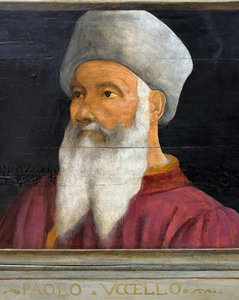
باولو أوتشيلو
1397 - 1475 , إيطاليا
لمحة سريعة
- أعمال فنية بارزة:
- معركة سان رومانو
- ولادة العذراء
- القديس جورج والتنين
- الطوفان والفلك
- الاسم الكامل: باولو أوتشيلو
- الجنسية: إيطالي
- الحركة الفنية: عصر النهضة المبكرة
- الفنانون المؤثرون:
- لورينزو جبيرتي
- دوناتييلو
- الفنانون المتأثرون: ['ألبرخت دورر']
- تاريخ الميلاد: 1397
- مكان الميلاد: براتوفيكيو، إيطاليا
مقالات ذات صلة

Fresco Art Guide: Mastering the Timeless Technique of Wall Painting for Luxury Interior Design
Master the art of fresco for luxury hospitality design. Explore technical insights into historical wall painting and discover how professional-grade, large-scale reproductions can elevate hotel interiors with timeless Renaissance elegance.


