


 معاينة الحجم الواقعي
 إرسال
إرسال مشاركة
 عرض التفاصيل
 دليل الأعمال الفنية للطلاب

 تحميل
تحميل
 قطع مشابهة
 الأشعة السينية
 عرض شرائح متتابع
 الإحصائيات
Blue (Moby Dick)


 اقرأ المزيد
نسخة زيتية مصنوعة يدوياً
لوحة زيتية مرسومة يدوياً على الكانفاس بالمقاس والإطار الذي تفضله، تُنفذ حسب الطلب على أيدي فنانينا. ( التبديل إلى المطبوعات التحويل إلى الصورة الرقمية)




P118B E£10

P118H E£10

P118W E£10

P438Z E£10

P508JH E£12

P508YH E£12

P805H E£10

P805Z E£10

P919BZ E£10

P919G E£10

P919XJ E£10

P959ZH E£10

P968JZ E£12

W106C E£8

W218G E£10

W218JH E£8

W218Y E£10

W307PJ E£10

W316G E£10

W316PJ E£8

W316Y E£10

W398PJ E£8

W4111J E£10

W500HY E£15

W500JH E£15

W692G E£12

W849H E£8

W940BG E£15

W953PJ E£8




اختر من بين أحجامنا المُعدّة مسبقاً والتي تتوافق مع النسب الأصلية للعمل الفني.

أدخل العرض والارتفاع اللذين تحتاجهما، ليتناسب العمل مع إطارك أو جدارك. وبما أن هذه اللوحة مرسومة يدوياً، ففي حال اختيار مقاس بشكل مختلف، يمكن للفنان رسم مساحة إضافية حول الصورة أو تقليصها قليلاً — الخيار لك. سنرسل لك نموذجاً رقمياً تجريبياً لاعتماده قبل البدء في الرسم. علماً بأن الصورة المعروضة في هذه الصفحة لا تعكس النتيجة النهائية الحقيقية — فالنموذج التجريبي هو الوحيد الذي يوضح ذلك بدقة.
بعد إتمام الطلب، سيرسل فريق AllPaintingsStore.com بريداً إلكترونياً للعميل لطلب التعليمات وتزويده بمعاينة تجريبية (mockup).
توصيل عالمي إلى خلال 3 إلى 4 أسابيع بدلاً من المدة المعتادة البالغة 5 أسابيع. (25 أكتوبر). جودة لا تهاون فيها.

شحن سريع ومجاني لجميع أنحاء العالم

قماش كتان فاخر

تأمين شامل على الشحن

ضمان استرداد الرسوم الجمركية

ضمان دقة مطابقة الألوان

سياسة الإرجاع خلال 100 يوم (في حالات العيوب فقط)

ضمان استرداد نقدي بنسبة 100%

عرض خصم الكميات
 خيار الزجاج متاح فقط للمقاسات التي تقل عن 110 سم

Blue (Moby Dick)
وسيط إعادة الإنتاج
مقاس النسخة المطبوعة
-


إجمالي السعر
E£ 13352
The Echoes of Moby Dick: Jackson Pollock’s Blue Abstraction
Jackson Pollock's “Blue (Moby Dick),” painted in 1943, isn’t merely a canvas splashed with color; it’s an immersive experience, a visual embodiment of the anxieties and primal forces that fueled Herman Melville’s epic tale. This work, residing within the Ohara Museum of Art in Kurashiki, Japan, stands as a pivotal moment in the trajectory of Abstract Expressionism, revealing Pollock's unique approach to translating complex emotions onto the canvas. It’s a piece that invites prolonged contemplation, rewarding viewers with layers of meaning and a profound sense of unease – mirroring, perhaps, the relentless pursuit of the unattainable.
Initially conceived as “Moby Dick,” the painting quickly underwent a transformation, reflecting Pollock's evolving artistic process and his engagement with psychological theories. The early iteration, a more explicitly figurative work, was deemed too constrained by conventional representation. Pollock, influenced by Jungian psychology and seeking to express raw emotion rather than depict concrete forms, abandoned this initial approach, opting instead for an all-over composition that prioritized the act of painting itself. This shift marked a crucial step toward his signature “drip” technique – a method where paint was poured, dripped, and flung onto the canvas from above, creating a dynamic web of color and texture.
A Symphony in Blue: Technique and Composition
The dominant hue is, unsurprisingly, blue—a deep, resonant shade that immediately establishes a mood of mystery and depth. However, this isn’t a simple monochromatic statement. Pollock masterfully employs a range of complementary colors – vibrant yellows, stark whites, and touches of black and orange – to create a swirling, almost turbulent effect. These contrasting hues aren't juxtaposed in a static manner; instead, they bleed into one another, suggesting movement, chaos, and the relentless power of nature. The composition itself is deliberately ambiguous, featuring amorphous shapes that evoke marine life—fish, whales, perhaps even the ominous form of Moby Dick himself—suspended within a dynamic field of color.
Pollock’s technique is central to the painting's impact. He utilized a mixed medium of gouache and ink on composition board, allowing for both precision and spontaneity. The “drip” method, perfected over years of experimentation, allowed him to bypass traditional brushstrokes, creating an immediate connection between his body and the artwork. The resulting surface is not smooth or polished; it’s textured, layered, and imbued with a palpable energy—a testament to the physicality of the act of painting.
Decoding the Symbolism: Melville and the Unconscious
While Pollock himself remained notoriously reticent about interpreting his work, scholars have identified several symbolic connections between “Blue (Moby Dick)” and Melville’s novel. The recurring motif of the table—a subtle yet persistent element within the composition—can be interpreted as a representation of the human psyche, a space where conflicting forces collide. The figures that populate the painting are not clearly defined; they exist in a state of flux, mirroring the instability and uncertainty inherent in the pursuit of knowledge and understanding – a key theme in *Moby Dick*.
Furthermore, the painting’s intense emotionality—the sense of dread, obsession, and ultimately, futility—resonates with the novel's exploration of human ambition and the limitations of reason. The whale itself, a symbol of both power and destruction, looms large in the subconscious of the viewer, prompting questions about humanity’s relationship to nature and its own destructive tendencies. It is believed that Pollock was influenced by Melville’s work, perhaps even drawing parallels between his own struggles with alcoholism and Ahab's relentless pursuit.
A Legacy of Emotion: Reproductions and Beyond
“Blue (Moby Dick)” stands as a powerful example of Abstract Expressionism’s ability to evoke profound emotional responses. AllPaintingsStore offers meticulously hand-painted reproductions that capture the essence of this iconic work, allowing you to experience its depth and complexity firsthand. These reproductions faithfully recreate Pollock's dynamic technique and vibrant color palette, bringing the painting’s raw energy into your space. Whether displayed in a contemporary setting or as a thoughtful addition to a classic interior, a reproduction of “Blue (Moby Dick)” serves as a constant reminder of the power of art to challenge our perceptions and connect us to the deepest recesses of human emotion.
Explore AllPaintingsStore’s collection of Jackson Pollock reproductions today and discover how you can bring this masterpiece into your world. View “Blue (Moby Dick)” reproduction here
الأسئلة والأجوبة
ما هو الشعور الذي تثيره ألوان "Blue (Moby Dick)" للفنان جاكسون بولوك؟
تجمع لوحة "Blue (Moby Dick)" للفنان جاكسون بولوك بين مجموعة ألوان Dark ونبرة Mysterious.
ما هي الموضوعات التي تظهر في "Blue (Moby Dick)" للفنان جاكسون بولوك؟
تُصور "Blue (Moby Dick)" للفنان جاكسون بولوك: blue, moby dick, pollock, ocean, abstraction, gesture, emotion.
أين يمكنني شراء نسخة مطبوعة من "Blue (Moby Dick)" للفنان جاكسون بولوك؟
يمكن طلب نسخة مطبوعة من "Blue (Moby Dick)" للفنان جاكسون بولوك مباشرة عبر صفحة مطبوعة فنية فاخرة الخاصة بها: مطبوعة فنية فاخرة على قماش قطني أو ورق كانفاس أرشيفي.
أعمال فنية مشابهة


نبذة عن الفنان
البدايات الأولى وبذور الابتكار
وُلد بول جاكسون بولوك في مدينة كودي بولاية وايومنغ عام 1912، وكان منذ البداية روحاً متمردة لا تعرف الاستقرار. اتسمت حياته المبكرة بكثرة التنقل، حيث كان والده يعمل كمساح للأراضي عبر المناظر الطبيعية الشاسعة في الغرب الأمريكي. هذا الوجود المرتحل غرس في نفس بولوك الشاب صلة عميقة بالعالم الطبيعي، وعرّضه لثقافات متنوعة، لا سيما من خلال لقاءاته مع فنون السكان الأصليين لأمريكا خلال رحلات المساحة تلك؛ وهي انطباعات تغلغلت ببراعة في رؤيته الفنية في وقت لاحق من حياته. ورغم أنه لم يقم أبداً بمحاكاة الأنماط الأصلية بشكل صريح، إلا أن الطاقة الخام والرنين الروحي لتلك التجارب المبكرة تركا بصمتهما التي لا شك فيها.
بدأ تدريب بولوك الفني الرسمي في مدرسة "مانويل آرتس" الثانوية في لوس أنشيلوس، تلتها دراسات في رابطة طلاب الفنون في نيويورك تحت إشراف توماس هارت بينتون. كان بينتون شخصية بارزة في الحركة الإقليمية، وقد ركز على التكوين الإيقاعي والموضوعات السردية المتجذرة في الحياة الأمريكية. وبينما استوعب بولوك هذه الدروس في البداية، إلا أن ميله الفطري اتجه نحو استكشافات أكثر تجريداً. كما تأثر بعمق برسامي الجداريات المكسيكيين مثل خوسيه كليمنتي أوروزكو، الذي لامست تصويراته القوية للصراع الاجتماعي أعماقه. وضعت هذه المؤثرات المبكرة حجر الأساس، ولكن عالم السريالية الناشئ هو ما فتح حقاً آفاق الإمكانات الفنية لبولوك.
ميلاد "رسم الفعل" والتقنية الثورية
شهدت ثلاثينيات القرن العشرين تجارب بولوك مع تقنيات متنوعة، بحثاً عن بدائل لأساليب الرسم التقليدية بالفرشاة. بدأ في سكب الطلاء، مستكشفاً سيولته وطبيعته غير المتوقعة. ومع ذلك، كان حوالي عام 1947 هو الوقت الذي شهد تحولاً جذرياً في مساره الفني؛ فبعد أن تخلى عن الحامل تماماً، وضع بولوك لوحاته مباشرة على الأرض، ليبدأ ما سيعرف لاحقاً بـ "تقنية التنقيط". ومن ثم شرع في تنقيط ورش ونثر الطلاء فوق اللوحة من الأعلى، ليدير رقصة ديناميكية بين الفنان والوسيط وسطح اللوحة.
لم يكن الأمر مجرد وضع للطلاء، بل كان تجسيداً لفعل الخلق ذاته. أصبحت لوحات بولوك ساحات للتعبير الجسدي، تلتقط فورية إيماءاته وعواطفه. وتتميز اللوحات الناتجة بتكوين "شامل" (all-over) – حيث يغيب التركيز المركزي مما يدعو المشاهد لاستكشاف السطح بأكمله كمجال موحد من الطاقة. تتشابك شبكات معقدة من الخطوط والألوان، مما يخلق تعقيداً بصرياً يأسر الألباب ويتحداها في آن واحد. وقد استخدم أدوات غير تقليدية — العصي، والسكاكين، وحتى المحاقن — للتحكم في الطلاء بطرق لا يمكن التنبؤ بها، مما أكد أكثر على الطبيعة العفوية لعمليته الإبداعية.
هذا النهج المبتكر جعل من بولوك شخصية محورية في حركة التعبيرية المجردة الناشئة، والتي ظهرت في مدينة نيويورك بعد الحرب العالمية الثانية. أعطت التعبيرية المجردة الأولوية للإيماءة العفوية، والمقياس الكبير، والصور غير التمثيلية، مما عكس تحولاً ثقافياً أوسع بعيداً عن التقاليد الفنية الموروثة. كما كان زواجه من الفنانة الزميلة لي كراسنر محورياً؛ فقد قدمت له دعماً عاطفياً لا يتزعزع وشجعت تطوره الفني بنشاط، مدركة الطبيعة الرائدة لأعماله.
الأعمال الأيقونية والإرث الخالد
تعد أشهر أعمال بولوك — مثل اللوحة رقم 1، 1950 (ضباب اللافندر)، وواحد: الرقم 31، 1950، والأعمدة الزرقاء: الرقم 11، 1952، والتقارب — شهادات حية على تقنيته الثورية. هذه اللوحات ليست مجرد صور؛ بل هي سجلات لأداء فني، مشبعة بالحضور الجسدي للفنان وكثافته العاطفورة. إن الطاقة الديناميكية التي تنبعث من هذه اللوحات ملموسة، وتجذب المشاهدين إلى عالم من التجريد الخالص.
يتجاوز أسلوبه مجرد الجماليات؛ فهو استكشاف للعملية الفنية فوق المنتج النهائي. سعى بولوك إلى التقاط فورية أفعاله وعواطفه على القماش، رافضاً المفاهيم التقليدية للتكوين والتمثيل. وقد غاص في علم النفس اليونغي، مستكشفاً الأنماط البدائية واللاوعي في فنه، ساعياً للوصول إلى الرموز العالمية والطاقات الأولية.
إن تأثير بولوك على تاريخ الفن لا يمكن قياسه. لقد غير بشكل جذري الطريقة التي يتعامل بها الفنانون مع الرسم، متحرراً من الأساليب القائمة على الحامل ومتبنياً نهجاً أكثر أدائية. وقد ساعد عمله في ترسيخ مكانة مدينة نيويورك كمركز عالمي للفن الحديث، محولاً التركيز بعيداً عن الهيمنة الأوروبية. ويمكن رؤية تأثيره في أعمال عدد لا يحصى من الفنانين الذين جاءوا بعده، بما في ذلك أولئك المرتبطين برسم الحقل اللوني وأشكال التعبيرية المجردة اللاحقة.
وعلى الرغم من أنه واجه في البداية آراءً متباينة — حيث رفض بعض النقاد أعماله باعتبارها فوضوية أو تفتقر إلى المهارة — إلا أن سمعة بولوك نمت بثبات بعد وفاته المبكرة عام 1956 عن عمر يناهز 44 عاماً. واليوم، يُعترف به عالمياً كواحد من أهم الفنانين وأكثرهم تأثيراً في القرن العشرين؛ رؤيوي تجرأ على تحدي التقاليد وإعادة تعريف حدود التعبير الفني. وتستمر تقنياته المبتكرة وأسلوبه التعبيري في الإلهام والإثارة، مما يضمن إرثه الخالد للأجيال القادمة.

جاكسون بولوك
1912 - 1956 , الولايات المتحدة الأمريكية
لمحة سريعة
- أعمال بارزة:
- رقم 1، 1950 (ضباب اللافندر)
- واحد: رقم 31، 1950
- الاسم الكامل: بول جاكسون بولوك
- الجنسية: أمريكي
- الحركة الفنية: التعبيرية المجردة
- تاريخ الميلاد: 28 يناير 1912
- تاريخ الوفاة: 11 أغسطس 1956
- حركات فنية متأثرة:
- لوحة الألوان
- التعبيرية المجردة
- فنانون مؤثرون:
- خوسيه كليمنتي أوروزكو
- توماس هارت بنتون
- مكان الميلاد: كودي، الولايات المتحدة الأمريكية
مقالات ذات صلة
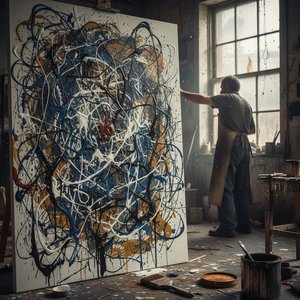
Paul Jackson Pollock: A Radical Departure – Exploring Abstract Expressionism's Pioneering Figure and His Enduring Legacy
Explore the revolutionary art of Jackson Pollock & Abstract Expressionism. Discover his iconic drip paintings, lasting impact, and considerations for collecting this pivotal American artist. Expert insights at AllPaintingsStore.
Slate Blue Masterpieces: 10 Iconic Paintings & Timeless Home Decor Ideas
Immerse yourself in the captivating world of slate blue! Explore 10 iconic paintings by Monet, Van Gogh & Renoir. Discover their stories, techniques & find museum-quality art reproductions for your home at .

أعلى 10 روائع تحدد الرمزية التعبيرية: رحلة في الفن الراقي و لوحات مميزة
اكتشف روائع الرمزية التعبيرية! استكشف 10 لوحات أيقونية مع جاكسون بولوك ومارك روثكو. قصص فنانين، تقنيات فريدة، وأعمال خالدة. احصل على لوحات مميزة لديكور منزلك الفاخر. تسوق الآن على AllPaintingsStore.com!

Kandinsky's Masterpieces: 25 Paintings That Define Abstract Art | AllPaintingsStore
Journey through Wassily Kandinsky's 25 most iconic abstract paintings. Explore his revolutionary use of color, form & spiritual expressionism. Find museum-quality Kandinsky reproductions and elevate your home decor with AllPaintingsStore.com. Discover all masterpieces on AllPaintingsStore.com!
Beyond Representation: Exploring the Emotional Landscape of Abstract Expressionism
Explore the profound emotional world of Abstract Expressionism with AllPaintingsStore. Discover key artists like Pollock & Rothko, learn about collecting, and find museum-quality reproductions to inspire your space.


