


 معاينة الحجم الحقيقي
 مشاركة
 مشاركة
 التفاصيل

 تحميل الملف
 قطع مشابهة
 الأشعة السينية
 عرض شرائح
Spring Light

 عرض المزيد
طباعة جيلي / مطبوعات فنية
طباعة جيكلي أو كانفاس بجودة المتاحف، مع سرعة في التنفيذ وخيارات متنوعة للتشطيب. ( اشترِ لوحة مرسومة يدويًا اشترِ الصورة)




































اختر من بين أحجامنا المُعدّة مسبقًا والتي تتطابق مع النسب الأصلية للعمل الفني.

يمكنك إدخال أبعادك الخاصة لتناسب إطاراً أو مساحة معينة. وإذا لم يتطابق الحجم الذي اخترته مع نسب الصورة الأصلية، فسنقوم إما بقص العمل الفني أو تمديد الصورة باستخدام حافة معكوسة أو بلون مصمت. سيتم إرسال نموذج تجريبي رقمي لاعتمادك قبل بدء الإنتاج.
يرجى ملاحظة أن المعاينة على الشاشة لا تعكس عملية القص أو التمديد الفعلية؛ حيث سيوضح النموذج التجريبي فقط التكوين النهائي بدقة.
وعلى الرغم من توفر أحجام مخصصة، إلا أننا نوصي باختيار أبعاد من القائمة المحددة مسبقاً للحفاظ على النسب الأصلية.
توصيل عالمي إلى خلال أسبوعين بدلاً من المدة القياسية البالغة 4/5 أسابيع. 18 أغسطس

شحن سريع ومجاني لجميع أنحاء العالم

قماش كتان عالي الجودة

تأمين شحن شامل

ضمان استرداد الرسوم الجمركية

ضمان مطابقة الألوان الحقيقية

سياسة الإرجاع خلال 60 يومًا (في حالات العيوب فقط)

ضمان استرداد نقدي بنسبة 100%

خصم عند طلب عدة قطع
 خيار الزجاج متاح فقط للمقاسات التي تقل عن 110 سم

Spring Light
طباعة جيلي / مطبوعات فنية
مقاس النسخة المطبوعة
-


السعر الإجمالي النهائي
$ 64
أعمال فنية ذات صلة


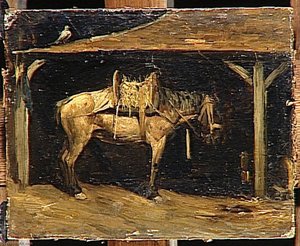


السيرة الذاتية للفنان
Early Life and Artistic Beginnings
Paul Madeline was born on October 7, 1863, in Paris, France—a city already brimming with artistic fervor during the Belle Époque. His upbringing within this cultural epicenter instilled in him a profound appreciation for beauty and creativity from his earliest years. Unlike many of his peers who pursued conventional paths toward stability, Madeline harbored an unwavering passion for art that defied societal expectations. Initially drawn to commerce as a means of securing financial independence—a common aspiration among families during the period—his artistic inclinations persisted, ultimately guiding him towards a transformative vocation. He enrolled in the École des Beaux-Arts of Paris, marking the commencement of his formal artistic education and setting the stage for his remarkable career.Formal Training and Influences
Madeline’s studies at the École des Beaux-Arts provided him with invaluable grounding in classical artistic principles—a cornerstone of French art education throughout the 19th century. However, it was his exposure to the burgeoning movements of Impressionism and Post-Impressionism that irrevocably shaped his artistic vision. The bold colors and innovative techniques championed by these trailblazing artists resonated deeply within Madeline’s soul, prompting him to experiment with his own style and forge a distinctive path. Artists like Claude Monet and Camille Pissarro—whose canvases captured the fleeting effects of light and atmosphere—served as pivotal inspirations, encouraging Madeline to explore similar themes in his oeuvre.The Landscape Painter's Vision
Madeline’s artistic focus centered predominantly on landscape painting—a genre particularly favored by Impressionists and Post-Impressionists who sought to depict the grandeur and serenity of the natural world. He embarked upon numerous expeditions throughout France, meticulously documenting scenes from regions such as Brittany, Auvergne, and the Creuse Valley. These journeys fueled his creative imagination and honed his observational skills, resulting in paintings characterized by their luminous quality and vibrant hues—a testament to Madeline’s ability to convey both realism and emotion simultaneously.Notable Works and Artistic Style
Among Madeline's most celebrated creations is “The Banks of the Creuse,” a painting that exemplifies his masterful blending of classical technique with Impressionistic color palettes. The composition—balanced and harmonious—guides the viewer’s gaze through the landscape, while the interplay of light and shadow generates an ethereal atmosphere. Similarly, “Les Lavandières” captures the essence of rural French life with delicate brushstrokes and soft lighting—a hallmark of Madeline's artistic style. His canvases frequently depict scenes from Brittany and Auvergne, showcasing his unwavering dedication to portraying the beauty of the French countryside.Legacy and Historical Significance
Paul Madeline’s contribution to French art history extends far beyond his individual masterpieces. He stood as a prominent figure within “La Société Moderne,” alongside fellow artists Lebasque, Raffaelli, Aman, and Chabas—a collective committed to advancing artistic innovation during the Belle Époque. Madeline's annual participation in prestigious salons—including the Salon des Artistes, the Salon d’Automne, and the Salon de la Nationale des Beaux-Arts—solidified his reputation as a respected artist and ensured that his work would endure for generations to come. His enduring influence can be discerned in subsequent artistic endeavors, cementing Madeline's place as a luminary of Post-Impressionism and a symbol of French cultural heritage.
paul madeline
1863 - 1920 , France
حقائق سريعة
- Artistic Movement Or Style: Post-Impressionism
- Artists Or Movements Influenced By This Artist: ['Impressionism']
- Artists Who Influenced This Artist:
- Claude Monet
- Camille Pissarro
- Date Of Birth: October 7, 1863
- Date Of Death: 1920
- Full Name: Paul Madeline
- Nationality: French
- Notable Artworks:
- Les Lavandières
- Un Quai Á Taillebourg
- Place Of Birth: Paris, France
مقالات ذات صلة
أعمال بول سيزان الخالدة: 25 تحفة فنية تزين منزلك بجمال الألوان والضوء
اكتشف 25 تحفة فنية لبول سيزان، رائد الانطباعية وما بعد الانطباعية. استكشف قصص لوحاته الزيتية الشهيرة وألوانه الجريئة وتقنياته الفريدة. احصل على إلهام لديكور منزلك الفاخر مع AllPaintingsStore.com.
أفضل 25 لوحة لجون كونستابل: روعة الطبيعة الإنجليزية في AllPaintingsStore
اكتشف روعة الطبيعة الإنجليزية مع أفضل 25 لوحة لجون كونستابل. قصص فنية آسرة وتقنيات زيتية فريدة في AllPaintingsStore.com. اشترِ نسخًا عالية الجودة وديكور منزلي فاخر. استكشف المجموعة الكاملة الآن!

بول كلي: 25 تحفة فنية تعكس عبقرية اللون والشكل | AllPaintingsStore
اكتشف 25 تحفة فنية لبول كلي، رائد الفن التجريدي والسريالي. استكشف قصص لوحاته الملونة وتقنياته الفريدة على AllPaintingsStore.com. اشترِ إعادة إنتاج عالية الجودة وديكور منزلي فاخر.

Whispers of Rural Serenity: A Journey Through the Enchanting Village Landscapes of Impressionism
Immerse yourself in the tranquil beauty of Impressionist village landscapes. Explore our exquisite collection of hand-painted oil reproductions, capturing the light and soul of masters like Monet and Pissarro. Bring a piece of art history into your home with AllPaintingsStore.com.

Beyond the Horizon: 10 Landscape Masterpieces for Your Home Decor
Journey through 10 breathtaking landscape paintings by Monet, Van Gogh & more! Explore iconic artworks, artistic techniques & find inspiration for your home decor. Museum-quality reproductions at AllPaintingsStore.com. Discover all masterpieces on AllPaintingsStore.com



