


 معاينة الحجم الواقعي
 إرسال
إرسال مشاركة
 عرض التفاصيل
 دليل الأعمال الفنية للطلاب

 تحميل
تحميل
 قطع مشابهة
 الأشعة السينية
 عرض شرائح متتابع
 الإحصائيات
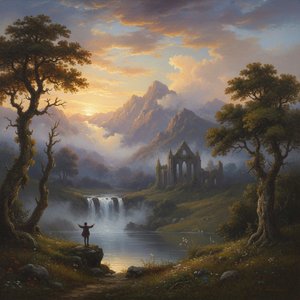
Suler Scene

 اقرأ المزيد
نسخة زيتية مصنوعة يدوياً
لوحة زيتية مرسومة يدوياً على الكانفاس بالمقاس والإطار الذي تفضله، تُنفذ حسب الطلب على أيدي فنانينا. ( التبديل إلى المطبوعات التحويل إلى الصورة الرقمية)




P118B E£10

P118H E£10

P118W E£10

P438Z E£10

P508JH E£12

P508YH E£12

P805H E£10

P805Z E£10

P919BZ E£10

P919G E£10

P919XJ E£10

P959ZH E£10

P968JZ E£12

W106C E£8

W218G E£10

W218JH E£8

W218Y E£10

W307PJ E£10

W316G E£10

W316PJ E£8

W316Y E£10

W398PJ E£8

W4111J E£10

W500HY E£15

W500JH E£15

W692G E£12

W849H E£8

W940BG E£15

W953PJ E£8




اختر من بين أحجامنا المُعدّة مسبقاً والتي تتوافق مع النسب الأصلية للعمل الفني.

أدخل العرض والارتفاع اللذين تحتاجهما، ليتناسب العمل مع إطارك أو جدارك. وبما أن هذه اللوحة مرسومة يدوياً، ففي حال اختيار مقاس بشكل مختلف، يمكن للفنان رسم مساحة إضافية حول الصورة أو تقليصها قليلاً — الخيار لك. سنرسل لك نموذجاً رقمياً تجريبياً لاعتماده قبل البدء في الرسم. علماً بأن الصورة المعروضة في هذه الصفحة لا تعكس النتيجة النهائية الحقيقية — فالنموذج التجريبي هو الوحيد الذي يوضح ذلك بدقة.
بعد إتمام الطلب، سيرسل فريق AllPaintingsStore.com بريداً إلكترونياً للعميل لطلب التعليمات وتزويده بمعاينة تجريبية (mockup).
توصيل عالمي إلى خلال 3 إلى 4 أسابيع بدلاً من المدة المعتادة البالغة 5 أسابيع. (28 أكتوبر). جودة لا تهاون فيها.

شحن سريع ومجاني لجميع أنحاء العالم

قماش كتان فاخر

تأمين شامل على الشحن

ضمان استرداد الرسوم الجمركية

ضمان دقة مطابقة الألوان

سياسة الإرجاع خلال 100 يوم (في حالات العيوب فقط)

ضمان استرداد نقدي بنسبة 100%

عرض خصم الكميات
 خيار الزجاج متاح فقط للمقاسات التي تقل عن 110 سم

Suler Scene
وسيط إعادة الإنتاج
مقاس النسخة المطبوعة
-


إجمالي السعر
E£ 13440
أعمال فنية مشابهة


نبذة عن الفنان
A Life Forged in the Crucible of War
Peter Heinrich Lambert von Hess, a name perhaps less familiar than many of his contemporaries, nevertheless stands as a pivotal figure in 19th-century German art. Born in Düsseldorf in 1792 into a family with artistic roots – his father, Carl Ernst Christoph Hess, was himself a painter – Peter’s early life unfolded against the backdrop of Napoleonic Europe. His formative years were marked by upheaval and transformation, experiences that would indelibly shape his artistic vision. Initially receiving training from his father, he embarked on a journey that led him to Munich in 1806, where he enrolled at the prestigious Academy. Crucially, it was during this period, amidst the turmoil of the Napoleonic Wars, that Hess’s path intersected with General Wrede and the Bavarian army – an encounter that would prove transformative.
This wasn't merely a chance meeting; it represented a profound immersion into the realities of war. Hess was granted access to observe military operations firsthand, gaining invaluable insights into battlefield dynamics and the psychological impact of conflict. This experience moved beyond mere observation, allowing him to capture the raw energy and drama of warfare in his early battle paintings. The lessons learned during this period – a keen eye for detail, an understanding of composition, and a burgeoning appreciation for dramatic lighting – laid the foundation for his later artistic achievements. His travels with his brother, Heinrich Maria, through Italy further broadened his artistic horizons, exposing him to the classical traditions that would subtly influence his style.
The Imperial Commission: A Shift in Artistic Focus
A defining moment in Hess’s career arrived in 1833. At the behest of King Ludwig I of Bavaria, he was dispatched to Greece, a nation newly formed and grappling with its own struggles for independence. This journey proved pivotal, providing him with a wealth of material – sketches, studies, and firsthand accounts – that would fuel his subsequent historical paintings. However, it was the invitation from Emperor Nicholas I of Russia in 1839 that truly cemented Hess’s place in art history. The Tsar commissioned him to create a monumental cycle of twelve paintings depicting key battles following Napoleon's disastrous invasion of Russia in 1812 – a project that demanded not only artistic skill but also an understanding of Russian national identity and its relationship to the conflict.
This commission represented a significant shift in Hess’s artistic focus. Previously, battle paintings commissioned by Alexander I often centered on elite officers and the emperor himself, portraying a sanitized version of military glory. Hess, however, was tasked with depicting the broader Russian populace – peasants, soldiers from diverse regions, and ordinary citizens – as the true defenders of their homeland. This deliberate shift reflected the evolving concept of “nationality” under Nicholas I’s reign, which emphasized autocracy, Orthodox faith, and a uniquely Russian character. The paintings became powerful symbols of national unity and sacrifice, embodying the spirit of resistance against foreign aggression.
A Master of Dramatic Realism
Hess's artistic style is characterized by a remarkable blend of Romantic drama and meticulous realism. He possessed an exceptional ability to capture the intensity of battle scenes – the chaos, the violence, the desperation – while simultaneously rendering his subjects with astonishing detail and accuracy. His use of color was particularly noteworthy; he employed a rich, vibrant palette, often employing dramatic contrasts of light and shadow to heighten the emotional impact of his compositions. His brushwork was loose and expressive, conveying movement and energy, yet precise enough to ensure that every figure and element within the scene was rendered with clarity.
Notable works such as “Crossing the Berezina River on 17 (29) November 1812” exemplify this masterful combination. The painting vividly depicts the chaotic retreat of the French army across the frozen river, capturing both the horror and the heroism of the event. Hess’s depiction of the diverse ranks of soldiers – from seasoned officers to exhausted commoners – underscores the central theme of national unity in the face of adversity. His ability to portray the human cost of war, coupled with his technical skill, cemented his reputation as one of the leading battle painters of his time.
Legacy and Enduring Significance
Peter von Hess died in Munich in 1871, leaving behind a significant body of work that continues to be studied and admired. While some critics initially questioned the boldness and congeniality of his paintings, they ultimately recognized his technical skill and his profound understanding of historical events. His cycle depicting the Russian War of 1812 remains particularly important, not only for its artistic merit but also for its reflection of a pivotal moment in Russian history – the forging of a national identity rooted in resistance to foreign invasion. Hess’s work serves as a powerful reminder of the intersection between art, politics, and national consciousness, solidifying his place as a significant figure in 19th-century European art.

Peter von Hess
1792 - 1871 , Italy
لمحة سريعة
- Full Name: Peter Heinrich Lambert von Hess
- Nationality: German
- Date Of Birth: 1792
- Date Of Death: 1871
- Place Of Birth: Düsseldorf, Italy
- Notable Artworks:
- Crossing the Berezina River
- Nauplia's Entrance
- Artistic Movement Or Style: Biedermeier/Empire
- Artists Who Influenced This Artist:
- Wilhelm von Kobell
- Carl Ernst Christoph Hess
- Artists Or Movements Influenced By This Artist:
- Romanticism
- Realism
مقالات ذات صلة

The Sublime and the Picturesque: Exploring Emotion & Nature in Romantic Landscape Painting
Explore the emotional power of Romantic landscape painting! Discover the sublime & picturesque traditions, key artists like Friedrich & Cole, and find your perfect artwork at AllPaintingsStore.
Evoking Emotion & Transcendence: Romantic Landscape Painting (18th-19th Century)
Explore the emotional depth of Romantic landscape painting (18th-19th century). Discover key artists like Friedrich & Cole, and the concepts of the sublime. Expert insights for art lovers & collectors.

Evocations of Place: A Historical Journey Through Landscape Art
Explore the rich history of landscape art with AllPaintingsStore. Discover renowned artists, movements like Impressionism & Romanticism, and expert guidance for collecting timeless pieces. Find your perfect serene escape today!

أفضل 10 لوحات طبيعية رومانسية غيرت مسار الفن وجمّلت الديكور | AllPaintingsStore
اكتشف 10 روائع فنية رسمت مسار الفن الرومانسي! استكشف لوحات فريدريش، مالارد وأكثر. قصص الفنانين، تقنيات الرسم، وجمال المناظر الطبيعية الخلابة. احصل على أعمال فنية عالية الجودة من AllPaintingsStore.com!

أفضل 25 لوحة لجون كونستابل: روعة الطبيعة الإنجليزية في AllPaintingsStore
اكتشف روعة الطبيعة الإنجليزية مع أفضل 25 لوحة لجون كونستابل. قصص فنية آسرة وتقنيات زيتية فريدة في AllPaintingsStore.com. اشترِ نسخًا عالية الجودة وديكور منزلي فاخر. استكشف المجموعة الكاملة الآن!

