ضمان استرداد الأموال خلال ١٠٠ يوم شحن مجاني حول العالم
449582الأعمال الفنية 30618الفنانون 4705المتاحف 32اللغات
العملة
    اللغة
      أتيليه · تأسست عام ٢٠١٥ · باريس، فرنسا
      AllPaintingsStore
      allpaintingsstore.com
      معاينة الحجم الواقعي معاينة بالواقع المعزز التبديل إلى المطبوعات التحويل إلى الصورة الرقمية إرسال
      عرض التفاصيل دليل الأعمال الفنية للطلاب أضف إلى المفضلة تحميل قطع مشابهة الأشعة السينية عرض شرائح متتابع الإحصائيات

      Apollo and Marsyas

      The fresco employs a technique where pigments are applied directly onto wet plaster, ensuring unparalleled luminosity and durability. Raphael’s meticulous attention to detail—evident in every brushstroke—is what distinguishes his work from others of the time.

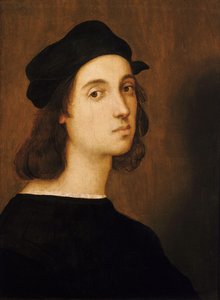
      رافائيل (1483-1520): فنان عصر النهضة العليا الشهير بلوحاته العذراء الهادئة، وإتقانه للعمارة، وأعماله الأيقونية مثل "مدرسة أثينا". استكشف بداياته في أوربينو وتراثه الفني.

      نسخة زيتية مصنوعة يدوياً

      لوحة زيتية مرسومة يدوياً على الكانفاس بالمقاس والإطار الذي تفضله، تُنفذ حسب الطلب على أيدي فنانينا. ( التبديل إلى المطبوعات التحويل إلى الصورة الرقمية)

      Corner sample of the P118B picture frame: moulded polystyrene, 5 cm wide and 3 cm thick
      P118B 10
      Corner sample of the P118H picture frame: moulded polystyrene, 5 cm wide and 3 cm thick
      P118H 10
      Corner sample of the P118W picture frame: moulded polystyrene, 5 cm wide and 3 cm thick
      P118W 10
      Corner sample of the P438Z picture frame: moulded polystyrene, 5.5 cm wide and 3.5 cm thick
      P438Z 10
      Corner sample of the P508JH picture frame: moulded polystyrene, 7 cm wide and 3.5 cm thick
      P508JH 12
      Corner sample of the P508YH picture frame: moulded polystyrene, 7 cm wide and 3.5 cm thick
      P508YH 12
      Corner sample of the P805H picture frame: moulded polystyrene, 5 cm wide and 3.5 cm thick
      P805H 10
      Corner sample of the P805Z picture frame: moulded polystyrene, 5 cm wide and 3.5 cm thick
      P805Z 10
      Corner sample of the P919BZ picture frame: moulded polystyrene, 7 cm wide and 3.5 cm thick
      P919BZ 10
      Corner sample of the P919G picture frame: moulded polystyrene, 7 cm wide and 3.5 cm thick
      P919G 10
      Corner sample of the P919XJ picture frame: moulded polystyrene, 7 cm wide and 3.5 cm thick
      P919XJ 10
      Corner sample of the P959ZH picture frame: moulded polystyrene, 5 cm wide and 3 cm thick
      P959ZH 10
      Corner sample of the P968JZ picture frame: moulded polystyrene, 6 cm wide and 4 cm thick
      P968JZ 12
      Corner sample of the W106C picture frame: solid wood, 5 cm wide and 3 cm thick
      W106C 8
      Corner sample of the W218G picture frame: solid wood, 5 cm wide and 3 cm thick
      W218G 10
      Corner sample of the W218JH picture frame: solid wood, 5 cm wide and 3 cm thick
      W218JH 8
      Corner sample of the W218Y picture frame: solid wood, 5 cm wide and 3 cm thick
      W218Y 10
      Corner sample of the W307PJ picture frame: solid wood, 6 cm wide and 3 cm thick
      W307PJ 10
      Corner sample of the W316G picture frame: solid wood, 6 cm wide and 3 cm thick
      W316G 10
      Corner sample of the W316PJ picture frame: solid wood, 6 cm wide and 3 cm thick
      W316PJ 8
      Corner sample of the W316Y picture frame: solid wood, 6 cm wide and 3 cm thick
      W316Y 10
      Corner sample of the W398PJ picture frame: solid wood, 5 cm wide and 3 cm thick
      W398PJ 8
      Corner sample of the W4111J picture frame: solid wood, 6.5 cm wide and 3.5 cm thick
      W4111J 10
      Corner sample of the W500HY picture frame: solid wood, 7 cm wide and 5 cm thick
      W500HY 15
      Corner sample of the W500JH picture frame: solid wood, 7 cm wide and 5 cm thick
      W500JH 15
      Corner sample of the W692G picture frame: solid wood, 8 cm wide and 4 cm thick
      W692G 12
      Corner sample of the W849H picture frame: solid wood, 5 cm wide and 3 cm thick
      W849H 8
      Corner sample of the W940BG picture frame: solid wood, 7.5 cm wide and 4.5 cm thick
      W940BG 15
      Corner sample of the W953PJ picture frame: solid wood, 6 cm wide and 3.5 cm thick
      W953PJ 8

      مقاس قياسي
      مخصص
      CM
      INCH

      اختر من بين أحجامنا المُعدّة مسبقاً والتي تتوافق مع النسب الأصلية للعمل الفني.

      العرض
      الارتفاع

      يمكنك إدخال أبعاد خاصة لتناسب إطاراً أو مساحة معينة. وفي حال عدم تطابق الحجم المختار مع نسب الصورة الأصلية، سنقوم إما بقص العمل الفني أو توسيع اللوحة عبر إضافة عناصر مرسومة يدوياً. وسيتم إرسال نموذج رقمي إليك للموافقة عليه قبل بدء عملية الإنتاج.
      يرجى ملاحظة أن المعاينة على الشاشة لا تعكس عملية القص أو التوسيع الفعلية؛ إذ إن النموذج الرقمي هو الوحيد الذي يوضح التكوين النهائي بدقة.
      وعلى الرغم من توفر أحجام مخصصة، إلا أننا نوصي باختيار أبعاد من القائمة المحددة مسبقاً للحفاظ على النسب الأصلية للعمل الفني.

      أمثلة على التعديلات الممكنة: استبدال الوجه بصورة العميل؛ إضافة حيوان أليف (مثل استبدال قطة بكلب)؛ تضمين رسالة مخفية في الخلفية؛ تغيير المناظر الطبيعية أو العناصر في الخلفية.
      بعد إتمام الطلب، سيرسل فريق AllPaintingsStore.com بريداً إلكترونياً للعميل لطلب التعليمات وتزويده بمعاينة تجريبية (mockup).

      توصيل عالمي إلى خلال 3 إلى 4 أسابيع بدلاً من المدة المعتادة البالغة 5 أسابيع. (10 أكتوبر). جودة لا تهاون فيها.

      شحن سريع ومجاني لجميع أنحاء العالم
      قماش كتان فاخر
      تأمين شامل على الشحن
      ضمان استرداد الرسوم الجمركية
      ضمان دقة مطابقة الألوان
      سياسة الإرجاع خلال 100 يوم (في حالات العيوب فقط)
      ضمان استرداد نقدي بنسبة 100%
      عرض خصم الكميات

      إجمالي السعر

      E£ 13245

      Apollo and Marsyas

      وسيط إعادة الإنتاج

      مقاس النسخة المطبوعة

      -

      إجمالي السعر

      E£ 13245

      حقائق سريعة

      • Notable elements or techniques: Contrasting contours, Symbolism (laurel wreath)
      • Medium: Fresco
      • Title: Apollo and Marsyas
      • Year: 1508-1511
      • Artistic style: Neoplatonic Ideal
      • Artist: Raphael
      • Location: Vatican Palace

      اختبار المعلومات الفنية

      لكل سؤال إجابة صحيحة واحدة فقط.

      سؤال 1:
      What mythological story is depicted in Raphael’s painting ‘Apollo and Marsyas’?
      سؤال 2:
      In what artistic style is Raphael’s ‘Apollo and Marsyas’ considered?
      سؤال 3:
      Where is the original fresco of ‘Apollo and Marsyas’ located?
      سؤال 4:
      What technique was used to create ‘Apollo and Marsyas’?
      سؤال 5:
      What does the laurel wreath held by Apollo symbolize?

      The Mythological Drama Embodied in Raphael’s Fresco

      Raphael’s Apollo and Marsyas is more than just a beautiful painting; it's a cornerstone of High Renaissance art—a visual retelling of one of Greek mythology’s most poignant tales. Created between 1508 and 1511 as part of the Stanza della Segnatura series within the Vatican Palace, this fresco delves into themes of divine justice, human pride, and the consequences of challenging authority. Its enduring appeal lies in Raphael's masterful execution of classical ideals—clarity, balance, and profound emotional resonance.

      The Artist and His Style: A Renaissance Vision

      Raphael Sanzio da Urbino (1483-1520) stands as a titan amongst his contemporaries, alongside Michelangelo and Leonardo da Vinci, forming the triumvirate of artistic geniuses that defined the era. He championed the Neoplatonic philosophy—the belief that beauty embodies divine truth—influencing his approach to art profoundly. Raphael’s style is characterized by an unparalleled grace and elegance; he achieved a remarkable harmony between form and composition, prioritizing visual impact above all else. This meticulous attention to detail—evident in every brushstroke—is what distinguishes his work from others of the time. You can explore more about Raphael's life and artistic journey on our dedicated page: /en/art/list/

      The Narrative Power of Fresco Technique

      Raphael’s choice to employ fresco—a technique where pigments are applied directly onto wet plaster—was deliberate and crucial to conveying the painting's dramatic narrative. Unlike oil paint, which allows for layering and reworking over time, fresco creates an image that is permanently fused with the wall itself as it dries, resulting in unparalleled luminosity and durability. This method demanded precision and patience from Raphael’s studio, ensuring that every nuance of emotion and movement was faithfully reproduced.

      Symbolism Within Harmony: The Fresco's Visual Language

      The fresco’s composition is meticulously balanced, reflecting the Neoplatonic ideal of harmony—a concept central to Renaissance thought. Four figures dominate the scene: Apollo, representing divine intellect and order; Marsyas, symbolizing earthly ambition and defiance; Zeus, embodying regal authority; and Pan, embodying pastoral innocence. The laurel wreath held by Apollo serves as a potent symbol of triumph and glory—a visual affirmation of his victory over Marsyas’s challenge. Furthermore, the rocky landscape beneath the figures underscores the harsh realities of punishment and reinforces the painting's moral message.

      A Masterpiece for Reflection

      “Apollo and Marsyas” transcends mere depiction; it invites contemplation on fundamental human questions about hubris—excessive pride—and the inevitable consequences of transgressing divine boundaries. Raphael’s masterful rendering captures not only the physical drama of the myth but also its psychological depth, cementing its place as one of the most celebrated artworks of the Renaissance.

      You can admire a hand-made oil painting reproduction of Apollo and Marsyas on our website: /art/list/?Filter=7YKFTU.

      The Vatican Palace, where the original fresco resides, houses numerous artistic treasures—sculptures, frescoes, and paintings—each contributing to its unparalleled cultural heritage. You can learn more about St. Peter’s Basilica and its artistic splendors on our page: /art/list/?Filter=A@D3BCWV.

      الأسئلة والأجوبة

      أين يمكنني شراء نسخة مطبوعة من "Apollo and Marsyas" للفنان رافايلو؟

      يمكن طلب نسخة مطبوعة من "Apollo and Marsyas" للفنان رافايلو مباشرة عبر هذه الصفحة: مطبوعة فنية فاخرة على قماش قطني أو ورق كانفاس أرشيفي.

      كيف تُوصف لوحة ألوان "Apollo and Marsyas" للفنان رافايلو؟

      تستخدم لوحة "Apollo and Marsyas" للفنان رافايلو مجموعة ألوان Dark. وتلخص هذه المجموعة الطابع اللوني العام للعمل.

      من الذي يبيع نسخاً مرسومة يدوياً من "Apollo and Marsyas" للفنان رافايلو؟

      تتوفر نسخة "Apollo and Marsyas" المرسومة يدوياً عبر نسخة زيتية مرسومة يدوياً على قماش الكتان. ويمكن تقديم الطلب من خلال هذه الصفحة، مع إمكانية اختيار أحجام مختلفة.

      ما هي المواد المستخدمة في صنع "Apollo and Marsyas"، وبأي أسلوب تم تنفيذها؟

      في "Apollo and Marsyas"، تلتقي تقنية Acrylic On Canvas مع حركة High Renaissance.

      أين تقع لوحة "Apollo and Marsyas" ضمن المجموعة الكاملة لأعمال رافايلو؟

      ينتمي العمل "Apollo and Marsyas" إلى أعمال رافايلو ضمن مدرسة High Renaissance، والتي تشمل موضوعاتها المسجلة neoplatonic philosophy, classical ideals, divine order, moral message, renaissance legacy.

      إلى أي عصر يعود "Apollo and Marsyas"؟

      تنتمي "Apollo and Marsyas" إلى عصر Renaissance.

      من هو الفنان الذي أبدع "Apollo and Marsyas"؟

      الفنان الذي أبدع عمل "Apollo and Marsyas" هو رافايلو. العمل مُدرج تحت اسم رافايلو.


      نبذة عن الفنان

      رافائيل: فنان عصر النهضة الإيطالية، بين الرقة والانسجام

      في قلب مدينة أوربينو النابضة بالحياة الفكرية والفنية، وُلد رافاييل سانزيو، أو كما عُرف بالعالم "رافائيل"، عام 1483. لم يكن مجرد فنان، بل نتاج بيئة ثقافية غنية، حيث كان والده جيوفاني سانتّي ليس فقط رسامًا في بلاط الدوق فريدريكو دا مونتيفيلترو، بل أيضًا شاعرًا ومثقفًا متعمقًا في تيارات عصر النهضة. هذا الانغماس في بيئة تقدر الرقي الفكري والنقاشات الأدبية شكل بعمق حساسيته الفنية منذ صغره. بعد وفاة والده المبكرة، تحمل رافائيل مسؤولية ورشة العائلة، مما سمح له بصقل مهاراته تحت إشراف فنانين محليين، حيث بدأت تظهر علامات أسلوبه المميز: رقة فائقة واهتمام دقيق بالتفاصيل.

      من أمبريا إلى فلورنسا: رحلة استيعاب التأثيرات

      كانت رحلة رافائيل الفنية سلسلة من التطور المستمر، حيث تميزت بفترات مكثفة من الدراسة والاستيعاب. التدريب الأولي تحت إشراف بييترو بيروجينو في بيروجيا وضع أساسًا متينًا في الأسلوب الأمبرياني – الذي يتميز بنمذجة ناعمة وتكوينات متناغمة ومشاهد دينية هادئة. لكن فضوله الذي لا يشبع دفعه إلى البحث عن تحديات جديدة وتوسيع آفاقه الفنية. في عام 1504، سافر إلى فلورنسا، المدينة التي كانت تنبض بطاقة الابتكار الفني. هنا، واجه أعمال ليوناردو دا فينشي وميكيلانجيلو، الفنانين الذين دفعوا حدود الرسم إلى مستويات غير مسبوقة. درس بدقة تقنياتهما – "سفوماتو" ليوناردو، تلك التدرجات الدقيقة للضوء والظل، والدقة التشريحية الدرامية والتكوينات القوية لميكيلانجيلو. كانت هذه الفترة في فلورنسا بمثابة بوتقة انصهار، أجبرته على مواجهة إمكانيات فنية جديدة ودمجها في رؤيته الفريدة.

      الانتصار الروماني: المفوضيات والإبداعات الخالدة

      في عام 1508، تلقى رافائيل دعوة غيرت مسار حياته المهنية – دعوة من البابا يوليوس الثاني للانتقال إلى روما. شكل هذا بداية الفترة الأكثر إنتاجية وازدهارًا في حياته. قدمت له المدينة الأبدية فرصة لا مثيل لها لعرض مواهبه على نطاق واسع، وتزيين شقق البابا في الفاتيكان بلوحات جدارية مذهلة. "أكاديمية أثينا"، ربما عمله الأكثر شهرة، هي شهادة على إتقانه للتكوين والمنظور والرمزية الفلسفية. داخل هذا الفضاء المهيب، جمع رافائيل شخصيات من العصور القديمة الكلاسيكية – أفلاطون وأرسطو وفيثاغورس وإقليدس – لإنشاء مشهد حي يحيي العقل البشري والسعي وراء المعرفة. استمر في العمل للبابوات اللاحقين، بما في ذلك ليون العاشر، وتولى مشاريع ضخمة مثل تزيين "ستانزا ديلا سيجناتورا" و"ستانزا د'إيليودورو". لوحاته الجدارية في هذه الغرف ليست مجرد زخرفة؛ إنها بيانات قوية حول قوة البابا والإيمان الديني ومثل عصر النهضة.

      توازن بين الرقة والوقار: أسلوب رافائيل الفني

      غالبًا ما يوصف الأسلوب الفني لرافائيل بأنه مزيج متناغم من الرقة والوضوح والجمال المثالي. كان يتمتع بقدرة استثنائية على دمج التأثيرات المتنوعة – التقاليد الأمبرية، والابتكارات الفلورنسية، والعصور القديمة الكلاسيكية – في جمالية فريدة ومتوازنة. تكوينات أعماله مخططة بدقة، وتعرض إحساسًا بالنظام والتناسب يعكس فهمه العميق لمبادئ عصر النهضة. تنبض شخصياته بهدوء ووقار وتعبير عاطفي، مما يجسد المثال الإنساني للكمال البشري. كان أيضًا أستاذ في الألوان، مستخدمًا ألوانًا غنية ومشرقة لإنشاء أعمال جذابة بصريًا ومحفزة فكريًا على حد سواء. على عكس الأسلوب الدرامي المضطرب غالبًا لميكيلانجيلو، تشع أعمال رافائيل بإحساس بالهدوء والانسجام – وهي صفة أسرقت قلوب الجماهير لعدة قرون.

      إرث وتأثير دائم

      لقد قصرت وفاة رافائيل المبكرة في عام 1520 عن عمر يناهز الثالثة والثلاثين، حياة مليئة بالإمكانات. ومع ذلك، فإن إرثه باقٍ كواحد من أهم الشخصيات في تاريخ الفن الغربي. أصبحت أعماله حجر الزاوية في الجمالية العالية لعصر النهضة، وخدمت كنموذج للأجيال القادمة من الفنانين. بينما سيطغى تأثير ميكيلانجيلو لاحقًا على الخطاب الفني، شهد التأكيد على الوضوح والانسجام والجمال المثالي لرافائيل انتعاشًا خلال الفترة الكلاسيكية الجديدة، حيث دافع عنه النقاد مثل يوهان جوتهارد فينكلمان. اليوم، تظل لوحاته تلهم الرهبة والإعجاب، وتأسر المشاهدين ببراعتها التقنية وعمقها العاطفي وجاذبيتها الدائمة. لقد رسخ مكانته كفنان حقيقي من عصر النهضة – فنان التقط ليس فقط الشبه الجسدي لموضوعاته، بل أيضًا جوهر الرشاقة الإنسانية والكرامة.

      رافايلو

      رافايلو

      1483 - 1520 , إيطاليا

      لمحة سريعة

      • Artistic Movement Or Style: الريناسانس العظيم
      • Artists Who Influenced This Artist: ['ليوناردو دا فينشي"، "ميكاييل أنجيلو']
      • Date Of Birth: 1483
      • Date Of Death: 1520
      • Full Name: رافائيل سانزيو د أوربينا
      • Nationality: إيطالي
      • Notable Artworks: ['المدرسة اليونانية"، "السيسينا ماдона"، "تحويل القديس يوحنا المعلم']
      • Place Of Birth: أوربينا، إيطاليا
      استكشف الأعمال الفنية المصنفة حسب الموضوعات والأنماط والخصائص.