


 معاينة الحجم الواقعي
 إرسال
إرسال مشاركة
 عرض التفاصيل
 دليل الأعمال الفنية للطلاب

 تحميل
تحميل
 قطع مشابهة
 الأشعة السينية
 عرض شرائح متتابع
 الإحصائيات
Entombment


 اقرأ المزيد
نسخة زيتية مصنوعة يدوياً
لوحة زيتية مرسومة يدوياً على الكانفاس بالمقاس والإطار الذي تفضله، تُنفذ حسب الطلب على أيدي فنانينا. ( التبديل إلى المطبوعات التحويل إلى الصورة الرقمية)




P118B E£10

P118H E£10

P118W E£10

P438Z E£10

P508JH E£12

P508YH E£12

P805H E£10

P805Z E£10

P919BZ E£10

P919G E£10

P919XJ E£10

P959ZH E£10

P968JZ E£12

W106C E£8

W218G E£10

W218JH E£8

W218Y E£10

W307PJ E£10

W316G E£10

W316PJ E£8

W316Y E£10

W398PJ E£8

W4111J E£10

W500HY E£15

W500JH E£15

W692G E£12

W849H E£8

W940BG E£15

W953PJ E£8




اختر من بين أحجامنا المُعدّة مسبقاً والتي تتوافق مع النسب الأصلية للعمل الفني.

أدخل العرض والارتفاع اللذين تحتاجهما، ليتناسب العمل مع إطارك أو جدارك. وبما أن هذه اللوحة مرسومة يدوياً، ففي حال اختيار مقاس بشكل مختلف، يمكن للفنان رسم مساحة إضافية حول الصورة أو تقليصها قليلاً — الخيار لك. سنرسل لك نموذجاً رقمياً تجريبياً لاعتماده قبل البدء في الرسم. علماً بأن الصورة المعروضة في هذه الصفحة لا تعكس النتيجة النهائية الحقيقية — فالنموذج التجريبي هو الوحيد الذي يوضح ذلك بدقة.
بعد إتمام الطلب، سيرسل فريق AllPaintingsStore.com بريداً إلكترونياً للعميل لطلب التعليمات وتزويده بمعاينة تجريبية (mockup).
توصيل عالمي إلى خلال 3 إلى 4 أسابيع بدلاً من المدة المعتادة البالغة 5 أسابيع. (24 أكتوبر). جودة لا تهاون فيها.

شحن سريع ومجاني لجميع أنحاء العالم

قماش كتان فاخر

تأمين شامل على الشحن

ضمان استرداد الرسوم الجمركية

ضمان دقة مطابقة الألوان

سياسة الإرجاع خلال 100 يوم (في حالات العيوب فقط)

ضمان استرداد نقدي بنسبة 100%

عرض خصم الكميات
 خيار الزجاج متاح فقط للمقاسات التي تقل عن 110 سم

Entombment
وسيط إعادة الإنتاج
مقاس النسخة المطبوعة
-


إجمالي السعر
E£ 13333
The Entombment: A Renaissance Echo of Grief and Grace
Raphael’s “The Entombment,” also known as the Deposition or Pala Baglioni, is more than just a depiction of a biblical scene; it's a profound meditation on loss, faith, and the poignant beauty of human suffering. Painted in 1507 during the height of the High Renaissance, this oil-on-wood panel masterpiece resides within the Galleria Borghese in Rome, offering viewers an intimate encounter with Raphael’s masterful command of form, color, and emotion. The painting's genesis is deeply intertwined with a tragic family history – commissioned by Atalanta Baglioni to honor her slain son, Grifonetto, who had attempted to murder his own family. This personal commission imbues the work with an undeniable sense of sorrow and remembrance, elevating it beyond a simple religious portrayal.
Initially, Raphael drew inspiration from Perugino’s “Pieta,” skillfully adapting its pyramidal composition for this scene. However, he dramatically innovated by depicting Christ being carried *upright*, rather than lying prone – a dynamic gesture that immediately conveys the urgency and physicality of the deposition. This subtle yet powerful shift in perspective transforms the image into a moment of active grief, emphasizing the weight of Christ’s body and the profound responsibility borne by those who carry him. The figures surrounding the tomb are rendered with exquisite detail: Mary Magdalene, draped in flowing robes, kneels in anguish, her face etched with sorrow; John, identified by his garment, supports Christ's head with a gentle yet firm hand; and other mourners gather around, each expressing their individual grief.
Composition and the Language of Emotion
The composition is meticulously balanced, drawing the eye towards the central figure of Christ. Raphael’s use of light and shadow – *chiaroscuro* – creates a dramatic effect, highlighting the contours of the bodies and intensifying the emotional impact. Note how the folds of the drapery are rendered with remarkable realism, conveying both the weight of the cloth and the vulnerability of the figures beneath. The muted palette—primarily browns, blues, and ochres—contributes to the somber mood, while subtle touches of red in Mary Magdalene’s robe draw attention to her profound grief. The background, featuring a distant mountain range, provides depth and context, anchoring the scene within a broader landscape of sorrow and remembrance.
Beyond its technical brilliance, “The Entombment” is rich in symbolic meaning. The tomb itself represents both death and resurrection—a potent reminder of Christ’s sacrifice and promise of eternal life. The act of entombment symbolizes the transition from earthly existence to divine glory. Furthermore, the figures themselves embody various aspects of grief and faith: Mary Magdalene represents repentance and devotion; John embodies strength and loyalty; and the other mourners represent the collective sorrow of humanity.
Legacy and Reproduction
“The Entombment” is widely considered one of Raphael’s most significant works, a testament to his artistic maturity and emotional depth. It stands as a cornerstone of High Renaissance art, influencing generations of painters who followed. Its enduring appeal lies in its ability to evoke a powerful sense of empathy and contemplation—a recognition of the universal human experience of loss and grief. Today, it continues to captivate viewers with its beauty, grace, and profound emotional resonance.
At AllPaintingsStore.com, we are proud to offer meticulously crafted hand-painted oil painting reproductions of “The Entombment.” Our artisans replicate Raphael’s masterful technique and nuanced color palette with the utmost care, ensuring that your reproduction captures the essence of this iconic masterpiece. Whether you seek to adorn your home or office with a touch of classic beauty, or are interested in expanding your knowledge of Renaissance art, our reproductions provide an exceptional opportunity to own a piece of art history. Explore more about Raphael and his works on AllPaintingsStore.com – here. Discover more about the artist: Raphael (Raffaello Sanzio Da Urbino) and explore our collection of hand-made oil painting reproductions: The Entombment by Raphael.
Further Exploration & Related Works
Delve deeper into the world of Raphael with these supplementary resources:
- Joseph m raphael: Explore the work of Joseph Raphael, a prominent American Impressionist painter.
- rené raphael bull: Discover the whimsical illustrations of René Raphael Bull, an Irish illustrator known for his imaginative creations.
- Antonietta Raphaël: Explore the sculptures and paintings of Antonietta Raphaël, a Lithuanian-Italian sculptor and painter.
- Chiesa dell'Angelo Raffaele: Visit Chiesa dell’Angelo Raffaele in Venice, home to stunning 17th-century art.
- Villa Farnesina: Admire Raphael's masterpieces at Villa Farnesina in Rome.
- Oratory of St Philip Neri: Witness Caravaggio’s “The Entombment of Christ” at the Oratory of St Philip Neri in Florence.
- Raphael: Read a comprehensive overview of Raphael's life and work on Wikipedia.
الأسئلة والأجوبة
هل تشكل "Entombment" للفنان رافايلو لوحة شخصية، أم طبيعية، أم ذات تكوين مربع؟
تأتي لوحة "Entombment" بتنسيق Square، وهو أمر مفيد عند التخطيط لمكان وضع النسخة المطبعة.
ما هي الألوان المهيمنة في "Entombment" للفنان رافايلو؟
الهوية اللونية لـ "Entombment" للفنان رافايلو: لوحة ألوان Earthy، يطغى عليها لون Phthalo Green (#321d12).
كيف يمكنني معاينة نسخة من "Entombment" للفنان رافايلو؟
لمعاينة نسخة من "Entombment" للفنان رافايلو، افتح صفحة معاينة الخاصة بالعمل الفني.
أعمال فنية مشابهة


نبذة عن الفنان
رافائيل: فنان عصر النهضة الإيطالية، بين الرقة والانسجام
في قلب مدينة أوربينو النابضة بالحياة الفكرية والفنية، وُلد رافاييل سانزيو، أو كما عُرف بالعالم "رافائيل"، عام 1483. لم يكن مجرد فنان، بل نتاج بيئة ثقافية غنية، حيث كان والده جيوفاني سانتّي ليس فقط رسامًا في بلاط الدوق فريدريكو دا مونتيفيلترو، بل أيضًا شاعرًا ومثقفًا متعمقًا في تيارات عصر النهضة. هذا الانغماس في بيئة تقدر الرقي الفكري والنقاشات الأدبية شكل بعمق حساسيته الفنية منذ صغره. بعد وفاة والده المبكرة، تحمل رافائيل مسؤولية ورشة العائلة، مما سمح له بصقل مهاراته تحت إشراف فنانين محليين، حيث بدأت تظهر علامات أسلوبه المميز: رقة فائقة واهتمام دقيق بالتفاصيل.
من أمبريا إلى فلورنسا: رحلة استيعاب التأثيرات
كانت رحلة رافائيل الفنية سلسلة من التطور المستمر، حيث تميزت بفترات مكثفة من الدراسة والاستيعاب. التدريب الأولي تحت إشراف بييترو بيروجينو في بيروجيا وضع أساسًا متينًا في الأسلوب الأمبرياني – الذي يتميز بنمذجة ناعمة وتكوينات متناغمة ومشاهد دينية هادئة. لكن فضوله الذي لا يشبع دفعه إلى البحث عن تحديات جديدة وتوسيع آفاقه الفنية. في عام 1504، سافر إلى فلورنسا، المدينة التي كانت تنبض بطاقة الابتكار الفني. هنا، واجه أعمال ليوناردو دا فينشي وميكيلانجيلو، الفنانين الذين دفعوا حدود الرسم إلى مستويات غير مسبوقة. درس بدقة تقنياتهما – "سفوماتو" ليوناردو، تلك التدرجات الدقيقة للضوء والظل، والدقة التشريحية الدرامية والتكوينات القوية لميكيلانجيلو. كانت هذه الفترة في فلورنسا بمثابة بوتقة انصهار، أجبرته على مواجهة إمكانيات فنية جديدة ودمجها في رؤيته الفريدة.
الانتصار الروماني: المفوضيات والإبداعات الخالدة
في عام 1508، تلقى رافائيل دعوة غيرت مسار حياته المهنية – دعوة من البابا يوليوس الثاني للانتقال إلى روما. شكل هذا بداية الفترة الأكثر إنتاجية وازدهارًا في حياته. قدمت له المدينة الأبدية فرصة لا مثيل لها لعرض مواهبه على نطاق واسع، وتزيين شقق البابا في الفاتيكان بلوحات جدارية مذهلة. "أكاديمية أثينا"، ربما عمله الأكثر شهرة، هي شهادة على إتقانه للتكوين والمنظور والرمزية الفلسفية. داخل هذا الفضاء المهيب، جمع رافائيل شخصيات من العصور القديمة الكلاسيكية – أفلاطون وأرسطو وفيثاغورس وإقليدس – لإنشاء مشهد حي يحيي العقل البشري والسعي وراء المعرفة. استمر في العمل للبابوات اللاحقين، بما في ذلك ليون العاشر، وتولى مشاريع ضخمة مثل تزيين "ستانزا ديلا سيجناتورا" و"ستانزا د'إيليودورو". لوحاته الجدارية في هذه الغرف ليست مجرد زخرفة؛ إنها بيانات قوية حول قوة البابا والإيمان الديني ومثل عصر النهضة.
توازن بين الرقة والوقار: أسلوب رافائيل الفني
غالبًا ما يوصف الأسلوب الفني لرافائيل بأنه مزيج متناغم من الرقة والوضوح والجمال المثالي. كان يتمتع بقدرة استثنائية على دمج التأثيرات المتنوعة – التقاليد الأمبرية، والابتكارات الفلورنسية، والعصور القديمة الكلاسيكية – في جمالية فريدة ومتوازنة. تكوينات أعماله مخططة بدقة، وتعرض إحساسًا بالنظام والتناسب يعكس فهمه العميق لمبادئ عصر النهضة. تنبض شخصياته بهدوء ووقار وتعبير عاطفي، مما يجسد المثال الإنساني للكمال البشري. كان أيضًا أستاذ في الألوان، مستخدمًا ألوانًا غنية ومشرقة لإنشاء أعمال جذابة بصريًا ومحفزة فكريًا على حد سواء. على عكس الأسلوب الدرامي المضطرب غالبًا لميكيلانجيلو، تشع أعمال رافائيل بإحساس بالهدوء والانسجام – وهي صفة أسرقت قلوب الجماهير لعدة قرون.
إرث وتأثير دائم
لقد قصرت وفاة رافائيل المبكرة في عام 1520 عن عمر يناهز الثالثة والثلاثين، حياة مليئة بالإمكانات. ومع ذلك، فإن إرثه باقٍ كواحد من أهم الشخصيات في تاريخ الفن الغربي. أصبحت أعماله حجر الزاوية في الجمالية العالية لعصر النهضة، وخدمت كنموذج للأجيال القادمة من الفنانين. بينما سيطغى تأثير ميكيلانجيلو لاحقًا على الخطاب الفني، شهد التأكيد على الوضوح والانسجام والجمال المثالي لرافائيل انتعاشًا خلال الفترة الكلاسيكية الجديدة، حيث دافع عنه النقاد مثل يوهان جوتهارد فينكلمان. اليوم، تظل لوحاته تلهم الرهبة والإعجاب، وتأسر المشاهدين ببراعتها التقنية وعمقها العاطفي وجاذبيتها الدائمة. لقد رسخ مكانته كفنان حقيقي من عصر النهضة – فنان التقط ليس فقط الشبه الجسدي لموضوعاته، بل أيضًا جوهر الرشاقة الإنسانية والكرامة.
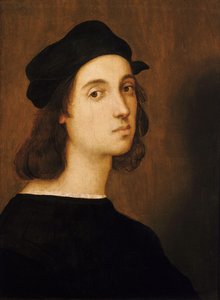
رافايلو
1483 - 1520 , إيطاليا
لمحة سريعة
- Artistic Movement Or Style: الريناسانس العظيم
- Artists Who Influenced This Artist: ['ليوناردو دا فينشي"، "ميكاييل أنجيلو']
- Date Of Birth: 1483
- Date Of Death: 1520
- Full Name: رافائيل سانزيو د أوربينا
- Nationality: إيطالي
- Notable Artworks: ['المدرسة اليونانية"، "السيسينا ماдона"، "تحويل القديس يوحنا المعلم']
- Place Of Birth: أوربينا، إيطاليا
مقالات ذات صلة

Italian Baroque Art: A Procurement Guide to Dramatic Masterpieces for High-End Hotel Interiors
Elevate hospitality interiors with Italian Baroque masterpieces. A professional procurement guide for hotel designers sourcing high-quality Caravaggio-style oil reproductions, multi-panel sets, and custom large-scale art with reliable global logistics and bulk order efficiency.

The Renaissance Masters: A Comparative Study of Leonardo, Michelangelo, and Raphael
Explore the profound technical and philosophical differences between Leonardo, Michelangelo, and Raphael. A deep dive into High Renaissance mastery, from sfumato to anatomical precision, designed for art students and scholars seeking academic depth.

Italian Renaissance Art: A Procurement Guide to Timeless Masterpieces for High-End Hotel Interiors
A professional procurement guide for hotel designers seeking Italian Renaissance masterpieces. Discover how to utilize chiaroscuro, custom oil reproductions, and large-scale murals to elevate hospitality interiors with timeless, high-impact classical art.




![غرف الفاتيكان - طرد هليودور من الهيكل (تفاصيل) [02]](/media/artworks/images-thumb/3a/23/3a2308b63b60b5cb105575e135028d92.jpg)


