


 معاينة الحجم الواقعي
 إرسال
إرسال مشاركة
 عرض التفاصيل
 دليل الأعمال الفنية للطلاب

 تحميل
تحميل
 قطع مشابهة
 الأشعة السينية
 عرض شرائح متتابع
 الإحصائيات
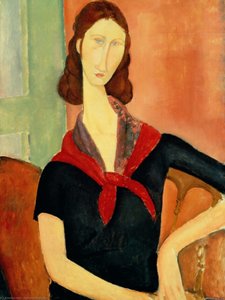
The Brown Gloves


 اقرأ المزيد
إن العمل الفني المعروض في هذه الصفحة محمي بموجب قوانين حقوق الطبع والنشر، مما يعني أنه لا يحق لنا قانوناً إنشاء أو بيع نسخ مطابقة له. وتُطبق هذه الحماية بموجب الاتفاقيات الدولية مثل الـ اتفاقية برن ووفقاً للقوانين الوطنية، بما في ذلك تلك المنصوص عليها في قانون حقوق الطبع والنشر في الولايات المتحدة - الباب 17.
وكبديل قانوني ومحترم، نقدم أعمالاً فنية مخصصة ومرسومة يدوياً مستوحاة من العمل الأصلي. حيث يقوم فنانونا المهرة والمحترفون بدراسة أسلوب العمل الأصلي، وأجوائه، وجوهره الفني بعناية فائقة لابتكار قطعة جديدة وفريدة تثير الشعور ذاته - مع بقائها عملاً أصيلاً بحد ذاته.
تتوافق هذه الطريقة تماماً مع لوائح حقوق النشر لأنها لا تتضمن نسخ أو تكرار العمل الفني المحمي، بل هي إعادة تفسير إبداعية؛ أي أنها لوحة جديدة مستوحاة من الأصل ولكنها ليست مطابقة له.
نسخة زيتية مصنوعة يدوياً
لوحة زيتية مرسومة يدوياً على الكانفاس بالمقاس والإطار الذي تفضله، تُنفذ حسب الطلب على أيدي فنانينا. ( التبديل إلى المطبوعات التحويل إلى الصورة الرقمية)




































اختر من بين أحجامنا المُعدّة مسبقاً والتي تتوافق مع النسب الأصلية للعمل الفني.

أدخل العرض والارتفاع اللذين تحتاجهما، ليتناسب العمل مع إطارك أو جدارك. وبما أن هذه اللوحة مرسومة يدوياً، ففي حال اختيار مقاس بشكل مختلف، يمكن للفنان رسم مساحة إضافية حول الصورة أو تقليصها قليلاً — الخيار لك. سنرسل لك نموذجاً رقمياً تجريبياً لاعتماده قبل البدء في الرسم. علماً بأن الصورة المعروضة في هذه الصفحة لا تعكس النتيجة النهائية الحقيقية — فالنموذج التجريبي هو الوحيد الذي يوضح ذلك بدقة.
بعد إتمام الطلب، سيرسل فريق AllPaintingsStore.com بريداً إلكترونياً للعميل لطلب التعليمات وتزويده بمعاينة تجريبية (mockup).
توصيل عالمي إلى خلال 3 إلى 4 أسابيع بدلاً من المدة المعتادة البالغة 5 أسابيع. (24 أكتوبر). جودة لا تهاون فيها.

شحن سريع ومجاني لجميع أنحاء العالم

قماش كتان فاخر

تأمين شامل على الشحن

ضمان استرداد الرسوم الجمركية

ضمان دقة مطابقة الألوان

سياسة الإرجاع خلال 100 يوم (في حالات العيوب فقط)

ضمان استرداد نقدي بنسبة 100%

عرض خصم الكميات
 خيار الزجاج متاح فقط للمقاسات التي تقل عن 110 سم

The Brown Gloves
وسيط إعادة الإنتاج
مقاس النسخة المطبوعة
-


إجمالي السعر
E£ 13333
الأسئلة والأجوبة
ما هو تاريخ إبداع "The Brown Gloves" للفنان Raphael Gleitsmann؟
يعود تاريخ "The Brown Gloves" إلى عام 1932، وهو تاريخ يضع العمل ضمن المسيرة المهنية لـ Raphael Gleitsmann وفي سياق حقبته الزمنية.
من الذي أبدع "The Brown Gloves"، وفي أي عام؟
أبدع Raphael Gleitsmann لوحة "The Brown Gloves" في عام 1932.
أين يمكنني العثور على دليل لـ "The Brown Gloves"؟
تقدم صفحة دليل تعليمي الخاصة بـ "The Brown Gloves" للفنان Raphael Gleitsmann ورقة حقائق قابلة للطباعة ومكونة من ورقتين: العمل الفني مع جدول بياناته، وشريط زمني يضعه ضمن الحقبة التي عاش فيها الفنان، وأعمال أخرى للفنان نفسه، ولوحة الألوان المقاسة، بالإضافة إلى مراجع جاهزة للاقتباس بأربعة أساليب مختلفة.
أعمال فنية مشابهة



نبذة عن الفنان
Early Life and Artistic Beginnings in Akron
Raphael Gleitsmann, born in Dayton, Ohio in 1910, was a distinctly American artist whose life story is as compelling as the evocative imagery he created. He spent the vast majority of his years in Akron, Ohio, a city that would become both the backdrop and often the subject of his work. Unlike many artists of his generation, Gleitsmann was largely self-taught; his formal training was limited to instruction from Miss Calvin at Central High School and Paul Travis at the Cleveland School of Art. Unable to afford tuition, he cultivated relationships with faculty and students at the school, eventually gaining access to classes without official enrollment—a testament to his innate talent and dedication.
Gleitsmann’s early artistic endeavors focused on realistic depictions of life in Middle America during the Great Depression. These paintings weren't merely representations; they were idealized visions of a society grappling with hardship, imbued with a sense of quiet dignity and resilience. He captured the essence of everyday existence, portraying scenes that resonated with many Americans struggling through economic turmoil. This early period reveals an artist keenly observant of his surroundings, possessing a natural ability to translate lived experience onto canvas.
The Impact of War: A Shift in Perspective
The course of Gleitsmann’s artistic journey was profoundly altered by his service as a combat engineer during World War II, from 1943 to 1945. His experiences abroad were deeply traumatic, culminating in wounds sustained at the Rhine River—an event for which he received the Purple Heart. The horrors witnessed firsthand irrevocably changed his perspective and subsequently, his art. Upon returning home, Gleitsmann found himself unable to continue painting in the same vein as before.
The idyllic scenes of pre-war America gave way to haunting post-apocalyptic imagery—ruins, cemeteries, and landscapes scarred by conflict. These works were not simply depictions of destruction; they were explorations of loss, memory, and the fragility of civilization. He began to grapple with themes of attrition, time’s relentless march, and the psychological toll of war. This shift in subject matter was a direct response to his experiences, reflecting a profound internal transformation.
National Recognition and Artistic Evolution
Gleitsmann's post-war work garnered significant national attention, most notably when he won first prize at the 1948 Carnegie Institute exhibition of international contemporary painting. This victory was particularly noteworthy as it came against formidable competition, including Andrew Wyeth—a testament to the power and originality of his vision. The award brought him widespread acclaim and solidified his position within the American art landscape.
His unsettling yet captivating paintings contrasted sharply with the more optimistic attitudes prevalent in earlier generations of artists. Gleitsmann’s work forced viewers to confront uncomfortable truths about the human condition, prompting reflection on the consequences of conflict and the enduring scars it leaves behind. He experimented with abstraction and expressionism, moving away from strict realism to convey the emotional weight of his experiences.
Later Years and Legacy
Despite achieving critical success, Gleitsmann may have curtailed his artistic career around 1954. The intensity of the trauma he experienced during the war likely played a significant role in this decision; it’s speculated that continuing to revisit such harrowing themes became too emotionally taxing. While details surrounding his later life remain somewhat sparse, his impact on American art is undeniable.
Raphael Gleitsmann's work stands as a powerful testament to the transformative power of experience and the artist’s ability to translate personal trauma into universal statements about the human condition. His paintings offer a poignant glimpse into the anxieties and uncertainties of the post-war era, reminding us of the enduring cost of conflict and the importance of confronting difficult truths. He is remembered as an artist who dared to look beyond the surface, exploring the darker recesses of the human psyche with unflinching honesty.

Raphael Gleitsmann
1910 - 1995 , United States of America
لمحة سريعة
- Full Name: Raphael Gleitsmann
- Nationality: American
- Date Of Birth: 1910
- Date Of Death: 1995
- Place Of Birth: Akron, United States of America
- Notable Artworks: ['The White Dam']
- Artistic Movement Or Style: Realistic, Expressionism

